THE ADVENTURE COLLECTIVE® · Independent discovery and booking for outdoor travel

Explore Ibn Battuta Mall’s six themed courts on a compact, sensory shopping tour. This guide maps what to expect—from architecture and dining to transport and timing—so you can plan a smooth 2–3 hour visit.
Explore Ibn Battuta Mall’s six themed courts on a compact, sensory shopping tour. This guide maps what to expect—from architecture and dining to transport and timing—so you can plan a smooth 2–3 hour visit.
You step from the heat of Sheikh Zayed Road into a world that rearranges geography but not pace: high vaulted ceilings, carved arches, and painted domes that mimic far-off ports and courts. Light filters across tile and mosaic as the scents of spice, grilled meat and fresh pastry thread between storefronts; the mall moves like a curated map of Ibn Battuta’s routes, each court a short theatrical stop in China, India, Persia, Egypt, Tunisia and Andalusia.
Verified experiences and guided adventures in the surrounding area.
Operated by Sham Al Marjan Tours LLC · Dubai, Dubai
You step from the heat of Sheikh Zayed Road into a world that rearranges geography but not pace: high vaulted ceilings, carved arches, and painted domes that mimic far-off ports and courts. Light filters across tile and mosaic as the scents of spice, grilled meat and fresh pastry thread between storefronts; the mall moves like a curated map of Ibn Battuta’s routes, each court a short theatrical stop in China, India, Persia, Egypt, Tunisia and Andalusia.
Opened in 2005 and named for the 14th-century explorer, Ibn Battuta Mall pairs modern retail with stylized historical motifs. Geologically the mall sits on Dubai’s coastal plain—human-shaped land where rapid urban growth met the Persian Gulf—so the built environment reflects trade routes more than natural topography. Culturally it’s an entry point to Dubai’s global commerce: high-street brands, independent kiosks, and food halls that trade on authenticity and convenience.
Practical guide: allow 2–3 hours for a focused tour—more if you plan to dine or catch a film. Peak times are late afternoons and weekends; arrive early for quieter courts and better photos. The mall is wheelchair- and stroller-accessible and served by multiple bus lines and taxis; parking is ample but can fill during peak shopping seasons.
Plan hydration and comfortable footwear: tiled floors and long corridors add up. If you’re after souvenirs, compare prices across courts and look for local sweets in the Persia and India courts. For a short cultural stop in a busy city itinerary, the Ibn Battuta Mall delivers architecture, food variety, and a compact, walkable glimpse of Dubai’s global ties.
easy.
2–3 hours.
Suitable for most fitness levels; involves prolonged standing and walking on flat surfaces.
Plan 2–3 hours for a focused tour of the courts; half a day if you intend to shop extensively, dine, or visit the cinema.
Yes—entrances, corridors, parking, and transportation options are wheelchair accessible and stroller friendly.
The mall itself doesn’t run historical tours regularly; commercial tour operators may include it as a stop on city shopping or cultural itineraries.
Weekday mornings and early afternoons are generally quieter than weekend evenings and public holidays.
Named for the medieval explorer Ibn Battuta, the mall opened in 2005 and organizes retail around six courts inspired by his travels across Asia, Africa and Andalusia.
The complex uses large-scale air conditioning and lighting; visitors can reduce impact by using public transport, minimizing single-use plastics, and shopping mindfully.
Sham Al Marjan Tours LLC operates guided outdoor trips and adventures with an emphasis on safety, stewardship, and memorable experiences.
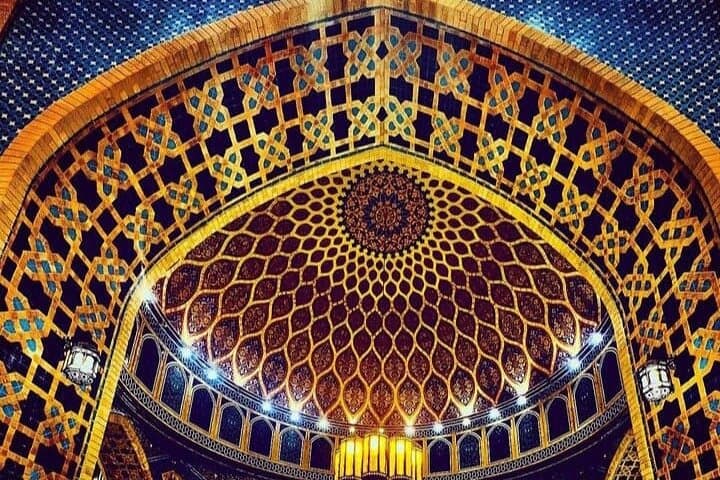
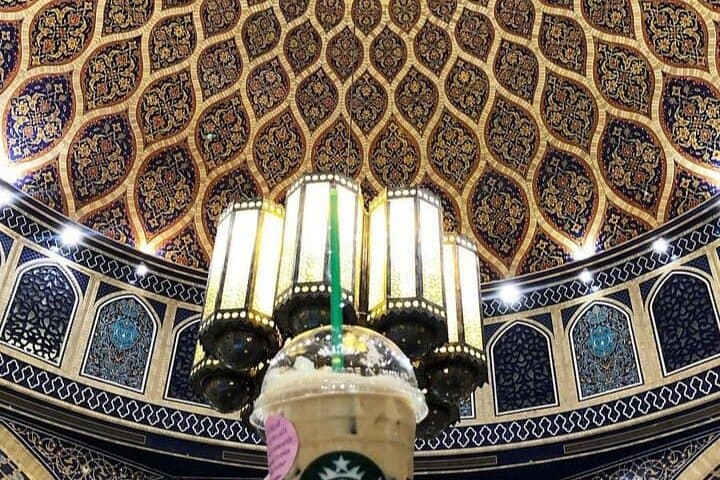
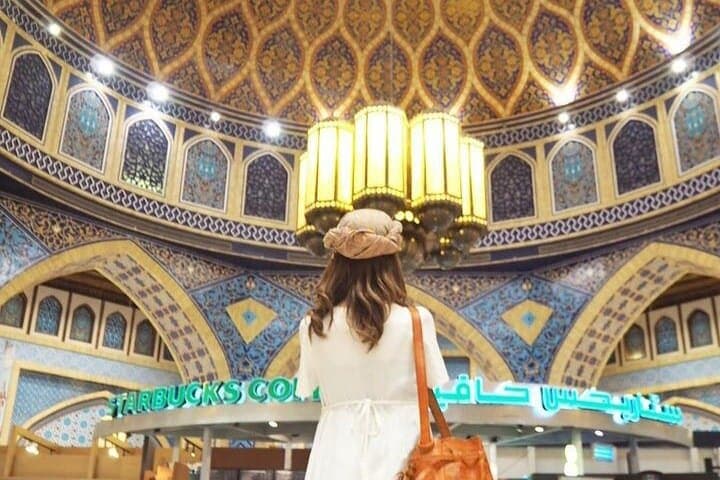
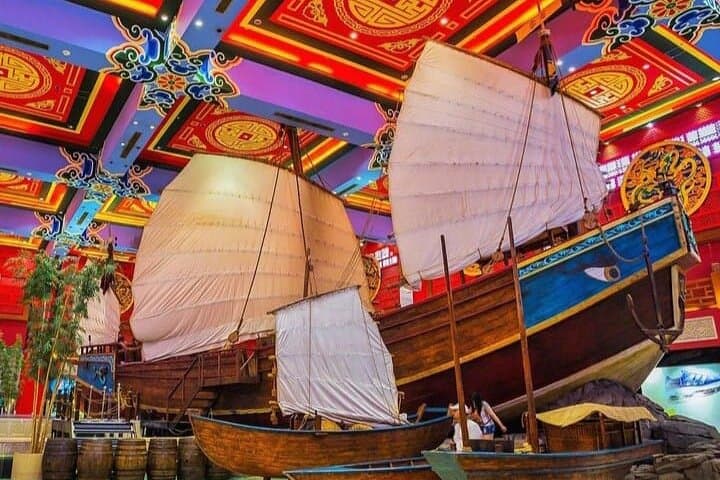
You step from the heat of Sheikh Zayed Road into a world that rearranges geography but not pace: high vaulted ceilings, carved arches, and painted domes that mimic far-off ports and courts. Light filters across tile and mosaic as the scents of spice, grilled meat and fresh pastry thread between storefronts; the mall moves like a curated map of Ibn Battuta’s routes, each court a short theatrical stop in China, India, Persia, Egypt, Tunisia and Andalusia.
You step from the heat of Sheikh Zayed Road into a world that rearranges geography but not pace: high vaulted ceilings, carved arches, and painted domes that mimic far-off ports and courts. Light filters across tile and mosaic as the scents of spice, grilled meat and fresh pastry thread between storefronts; the mall moves like a curated map of Ibn Battuta’s routes, each court a short theatrical stop in China, India, Persia, Egypt, Tunisia and Andalusia.
Opened in 2005 and named for the 14th-century explorer, Ibn Battuta Mall pairs modern retail with stylized historical motifs. Geologically the mall sits on Dubai’s coastal plain—human-shaped land where rapid urban growth met the Persian Gulf—so the built environment reflects trade routes more than natural topography. Culturally it’s an entry point to Dubai’s global commerce: high-street brands, independent kiosks, and food halls that trade on authenticity and convenience.
Practical guide: allow 2–3 hours for a focused tour—more if you plan to dine or catch a film. Peak times are late afternoons and weekends; arrive early for quieter courts and better photos. The mall is wheelchair- and stroller-accessible and served by multiple bus lines and taxis; parking is ample but can fill during peak shopping seasons.
Plan hydration and comfortable footwear: tiled floors and long corridors add up. If you’re after souvenirs, compare prices across courts and look for local sweets in the Persia and India courts. For a short cultural stop in a busy city itinerary, the Ibn Battuta Mall delivers architecture, food variety, and a compact, walkable glimpse of Dubai’s global ties.