THE ADVENTURE COLLECTIVE® · Independent discovery and booking for outdoor travel

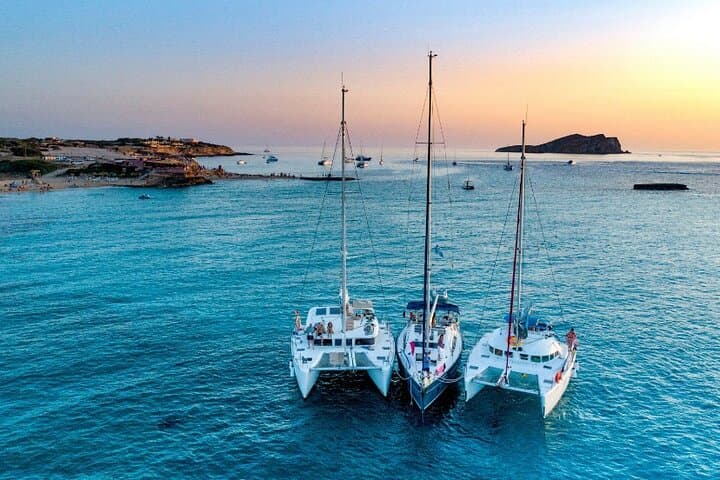
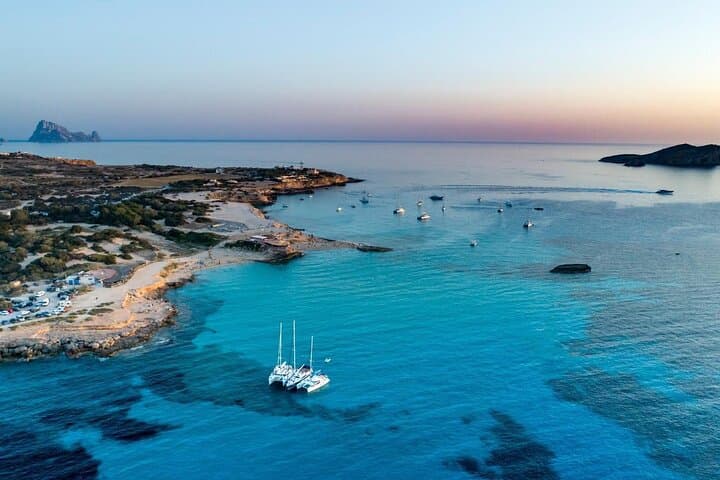
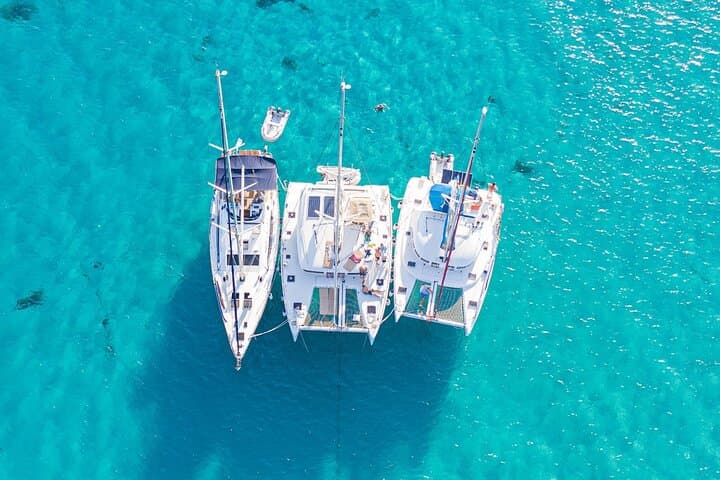
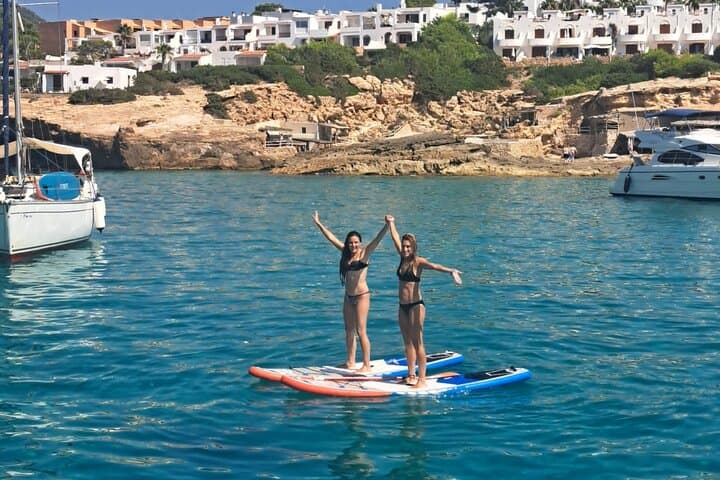
Spend six hours sailing from Ibiza to Formentera aboard a private catamaran—snorkeling crystal shallows, paddling on SUPs and pausing for swims at two prime spots. This day sail blends easy cruising with marine encounters and clear-water beaches.
Spend six hours sailing from Ibiza to Formentera aboard a private catamaran—snorkeling crystal shallows, paddling on SUPs and pausing for swims at two prime spots. This day sail blends easy cruising with marine encounters and clear-water beaches.
You step aboard as the harbor yawns open—Ibiza’s stone quay and pastel facades slide away while the catamaran settles into the Mediterranean’s glassy rhythm.
A warm breeze teases the sails, the skipper checks lines, and the island of Formentera grows from a pale smudge to a ribbon of white sand and crystalline shallows. The day alternates: slow, sunlit runs between coves, quick plunges off the swim platform, and quiet drift time on SUP boards.
Formentera’s coastline is young limestone over older Palaeozoic rock; its beaches owe their fine sand to waves grinding shell and seagrass fragments. Human history here runs from Phoenician anchors to Roman trade and a modern maritime culture built on fishing, salt pans and tourism. Locals protect the Posidonia seagrass meadows that cradle juvenile fish—anchoring is regulated to avoid scarring these living nurseries.
Practically: expect a 6‑hour round trip with two main stops for swimming, snorkeling and snacks. The operator supplies snorkel gear and SUPs; wear reef‑safe sunscreen, bring a lightweight wind layer for open‑water stretches, and a small dry bag for valuables. Seas can be calm or choppy—boats maneuver to sheltered coves when wind picks up.
Plan morning departures to maximize glassy waters and afternoon sails for a low-angle light if you want sunset on the return. Respect local marine rules—avoid stepping on seagrass and carry out all waste. The trip reads like a single, sunlit chapter of the Balearics: easy to enjoy, simple to prepare for, and unmistakably marine in character.
Verified experiences and guided adventures in the surrounding area.
Operated by Papillon Charter · Ibiza, Balearic Islands
You step aboard as the harbor yawns open—Ibiza’s stone quay and pastel facades slide away while the catamaran settles into the Mediterranean’s glassy rhythm.
A warm breeze teases the sails, the skipper checks lines, and the island of Formentera grows from a pale smudge to a ribbon of white sand and crystalline shallows. The day alternates: slow, sunlit runs between coves, quick plunges off the swim platform, and quiet drift time on SUP boards.
Formentera’s coastline is young limestone over older Palaeozoic rock; its beaches owe their fine sand to waves grinding shell and seagrass fragments. Human history here runs from Phoenician anchors to Roman trade and a modern maritime culture built on fishing, salt pans and tourism. Locals protect the Posidonia seagrass meadows that cradle juvenile fish—anchoring is regulated to avoid scarring these living nurseries.
Practically: expect a 6‑hour round trip with two main stops for swimming, snorkeling and snacks. The operator supplies snorkel gear and SUPs; wear reef‑safe sunscreen, bring a lightweight wind layer for open‑water stretches, and a small dry bag for valuables. Seas can be calm or choppy—boats maneuver to sheltered coves when wind picks up.
Plan morning departures to maximize glassy waters and afternoon sails for a low-angle light if you want sunset on the return. Respect local marine rules—avoid stepping on seagrass and carry out all waste. The trip reads like a single, sunlit chapter of the Balearics: easy to enjoy, simple to prepare for, and unmistakably marine in character.
easy.
6 hours.
Suitable for most fitness levels—ability to climb a short ladder from water recommended
Most departures are from Ibiza harbour (check your booking page for the exact quay); transfers may be offered as an add‑on—confirm during booking.
Yes—snorkel gear and SUP boards are included; bring your own mask if you prefer a personal fit.
Light snacks and water are listed as included—alcoholic drinks or full meals may be extra; check the tour’s details before boarding.
Children can join but infants must sit on laps per operator policy; service animals are allowed—notify the operator when booking.
Formentera and Ibiza have a long maritime history from Phoenician and Roman trade to salt‑harvesting communities; seafaring shaped local cuisine and harbors.
The area contains protected Posidonia meadows and regulated anchoring zones; operators emphasize avoiding seagrass damage and minimizing single‑use plastics.
Papillon Charter operates guided outdoor trips and adventures with an emphasis on safety, stewardship, and memorable experiences.
You step aboard as the harbor yawns open—Ibiza’s stone quay and pastel facades slide away while the catamaran settles into the Mediterranean’s glassy rhythm.
A warm breeze teases the sails, the skipper checks lines, and the island of Formentera grows from a pale smudge to a ribbon of white sand and crystalline shallows. The day alternates: slow, sunlit runs between coves, quick plunges off the swim platform, and quiet drift time on SUP boards.
Formentera’s coastline is young limestone over older Palaeozoic rock; its beaches owe their fine sand to waves grinding shell and seagrass fragments. Human history here runs from Phoenician anchors to Roman trade and a modern maritime culture built on fishing, salt pans and tourism. Locals protect the Posidonia seagrass meadows that cradle juvenile fish—anchoring is regulated to avoid scarring these living nurseries.
Practically: expect a 6‑hour round trip with two main stops for swimming, snorkeling and snacks. The operator supplies snorkel gear and SUPs; wear reef‑safe sunscreen, bring a lightweight wind layer for open‑water stretches, and a small dry bag for valuables. Seas can be calm or choppy—boats maneuver to sheltered coves when wind picks up.
Plan morning departures to maximize glassy waters and afternoon sails for a low-angle light if you want sunset on the return. Respect local marine rules—avoid stepping on seagrass and carry out all waste. The trip reads like a single, sunlit chapter of the Balearics: easy to enjoy, simple to prepare for, and unmistakably marine in character.
You step aboard as the harbor yawns open—Ibiza’s stone quay and pastel facades slide away while the catamaran settles into the Mediterranean’s glassy rhythm.
A warm breeze teases the sails, the skipper checks lines, and the island of Formentera grows from a pale smudge to a ribbon of white sand and crystalline shallows. The day alternates: slow, sunlit runs between coves, quick plunges off the swim platform, and quiet drift time on SUP boards.
Formentera’s coastline is young limestone over older Palaeozoic rock; its beaches owe their fine sand to waves grinding shell and seagrass fragments. Human history here runs from Phoenician anchors to Roman trade and a modern maritime culture built on fishing, salt pans and tourism. Locals protect the Posidonia seagrass meadows that cradle juvenile fish—anchoring is regulated to avoid scarring these living nurseries.
Practically: expect a 6‑hour round trip with two main stops for swimming, snorkeling and snacks. The operator supplies snorkel gear and SUPs; wear reef‑safe sunscreen, bring a lightweight wind layer for open‑water stretches, and a small dry bag for valuables. Seas can be calm or choppy—boats maneuver to sheltered coves when wind picks up.
Plan morning departures to maximize glassy waters and afternoon sails for a low-angle light if you want sunset on the return. Respect local marine rules—avoid stepping on seagrass and carry out all waste. The trip reads like a single, sunlit chapter of the Balearics: easy to enjoy, simple to prepare for, and unmistakably marine in character.