THE ADVENTURE COLLECTIVE® · Independent discovery and booking for outdoor travel

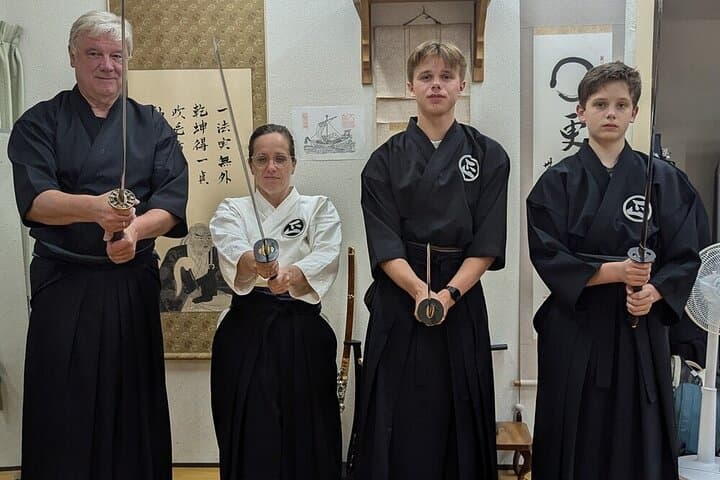
Train with a 9th-dan Iaido master in a Shinjuku dojo and practice Mugairyu sword forms while wearing traditional dogi and hakama. This one-hour session pairs strict etiquette and lifetime expertise with accessible instruction for beginners.
Train with a 9th-dan Iaido master in a Shinjuku dojo and practice Mugairyu sword forms while wearing traditional dogi and hakama. This one-hour session pairs strict etiquette and lifetime expertise with accessible instruction for beginners.
Step into a low-lit dojo off a busy Shinjuku street and feel the room narrow to the length of a blade. The wood floor hums underfoot, the air carries the faint scent of polish and tatami, and the teacher’s bow draws a line between everyday Tokyo and a disciplined practice that predates the metropolis.
Verified experiences and guided adventures in the surrounding area.
Operated by 外国人向け体験ツアー · Tokyo, Tokyo
Step into a low-lit dojo off a busy Shinjuku street and feel the room narrow to the length of a blade. The wood floor hums underfoot, the air carries the faint scent of polish and tatami, and the teacher’s bow draws a line between everyday Tokyo and a disciplined practice that predates the metropolis.
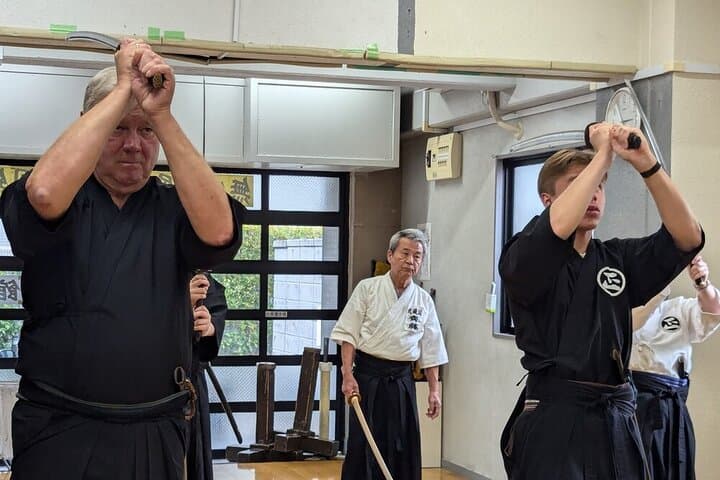
This session teaches Mugairyu Iaido, a school with roots in late-Edo and Meiji-era police swordcraft; the style appears in films such as Kurosawa’s After the Rain. Tokyo itself sits on the flat Kanto Plain, so this urban experience is cultural rather than geologic—an immersion in technique, etiquette, and history more than in landscape. Expect strict etiquette: silent focus, precise bows, and measured movement that reflect bushido’s influence on modern practice.
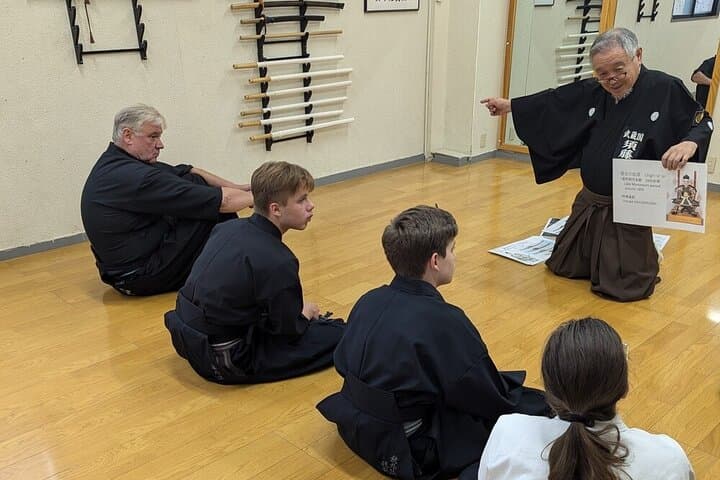
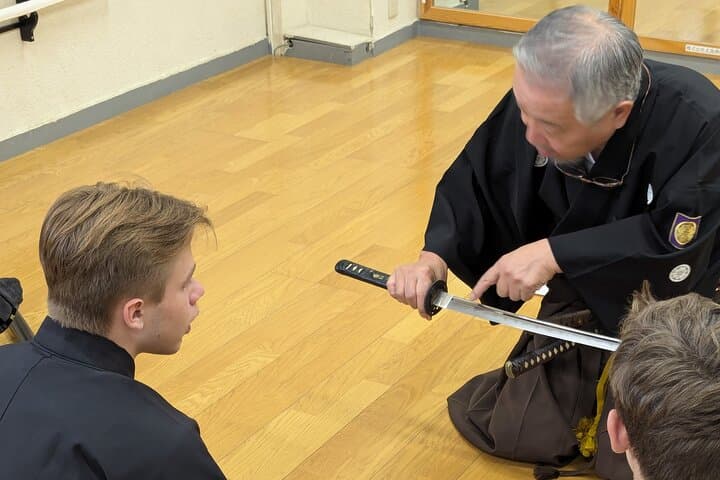
The class is led by a 9th-dan instructor, a rank that indicates lifetime study; small-group instruction and provided dogi and hakama mean beginners can learn basic draws, cuts, and formal kata safely. Practical notes: remove shoes before entering, secure loose jewelry, and listen carefully to corrections—repetition builds safe muscle memory. Sessions last about an hour and prioritize controlled motion over force, so cardiovascular fitness isn’t required, but balance and attention are.
Plan to arrive 10–15 minutes early to change and stretch. Public transit in Shinjuku makes access easy; combine the lesson with nearby cultural stops—shrines, small museums, and traditional knife shops—to round out a day that pairs a compact, physical discipline with Tokyo’s layered history.
easy.
1 hour.
Suitable for most adults; requires balance and focus rather than high fitness
No; beginners are welcome. Instruction focuses on basic draws, cuts, and etiquette appropriate for first-timers.
The dojo provides training swords and traditional clothing (dogi and hakama); additional protective gear is not typically required for Iaido practice.
This session is low-impact but not recommended for those with serious spinal, heart conditions, or pregnancy—consult the booking notes and instructor if unsure.
Photography is often restricted during formal instruction out of respect and safety; check with the instructor before taking photos after class.
Mugairyu became influential in late-Edo and Meiji policing; its techniques and etiquette were widely respected and later appeared in literature and film.
Dojo practices emphasize respect for space and equipment—remove shoes, keep the dojo clean, and follow local cultural norms to minimize impact.
外国人向け体験ツアー operates guided outdoor trips and adventures with an emphasis on safety, stewardship, and memorable experiences.
Step into a low-lit dojo off a busy Shinjuku street and feel the room narrow to the length of a blade. The wood floor hums underfoot, the air carries the faint scent of polish and tatami, and the teacher’s bow draws a line between everyday Tokyo and a disciplined practice that predates the metropolis.
Step into a low-lit dojo off a busy Shinjuku street and feel the room narrow to the length of a blade. The wood floor hums underfoot, the air carries the faint scent of polish and tatami, and the teacher’s bow draws a line between everyday Tokyo and a disciplined practice that predates the metropolis.
This session teaches Mugairyu Iaido, a school with roots in late-Edo and Meiji-era police swordcraft; the style appears in films such as Kurosawa’s After the Rain. Tokyo itself sits on the flat Kanto Plain, so this urban experience is cultural rather than geologic—an immersion in technique, etiquette, and history more than in landscape. Expect strict etiquette: silent focus, precise bows, and measured movement that reflect bushido’s influence on modern practice.
The class is led by a 9th-dan instructor, a rank that indicates lifetime study; small-group instruction and provided dogi and hakama mean beginners can learn basic draws, cuts, and formal kata safely. Practical notes: remove shoes before entering, secure loose jewelry, and listen carefully to corrections—repetition builds safe muscle memory. Sessions last about an hour and prioritize controlled motion over force, so cardiovascular fitness isn’t required, but balance and attention are.
Plan to arrive 10–15 minutes early to change and stretch. Public transit in Shinjuku makes access easy; combine the lesson with nearby cultural stops—shrines, small museums, and traditional knife shops—to round out a day that pairs a compact, physical discipline with Tokyo’s layered history.