THE ADVENTURE COLLECTIVE® · Independent discovery and booking for outdoor travel

Train in Shinkage-ryu Iaido in Tokyo with a 90-minute lesson that pairs solo kata with safe partnered practice. Expect disciplined instruction, traditional etiquette, and all equipment provided for beginners and experienced practitioners alike.
Train in Shinkage-ryu Iaido in Tokyo with a 90-minute lesson that pairs solo kata with safe partnered practice. Expect disciplined instruction, traditional etiquette, and all equipment provided for beginners and experienced practitioners alike.
You step into a low-lit training hall and the wooden floor answers with a dry, sure creak beneath your feet. A line of swords — sheathed and waiting — seems to breathe in rhythm with the room; the instructor's bow cuts the silence and the day’s practice begins.
Verified experiences and guided adventures in the surrounding area.
Operated by 新陰流協会 · Tokyo, Tokyo
You step into a low-lit training hall and the wooden floor answers with a dry, sure creak beneath your feet. A line of swords — sheathed and waiting — seems to breathe in rhythm with the room; the instructor's bow cuts the silence and the day’s practice begins.
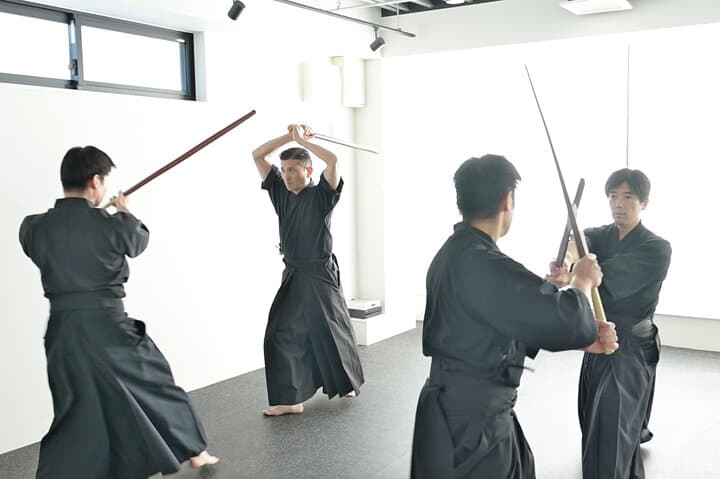
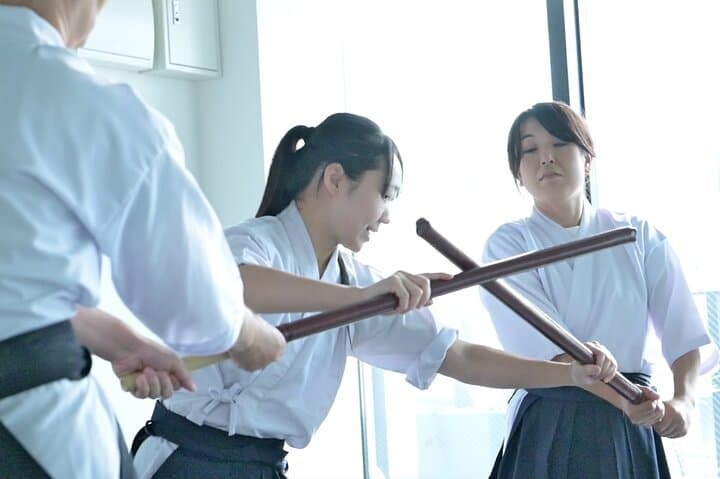
This lesson teaches Shinkage-ryu, a Muromachi-era sword tradition refined through the Tokugawa period. The school emphasizes Katsujinken, the “life-giving sword” ideal: technique paired with restraint. The session divides cleanly into solo Iaido kata, where precise body mechanics and mindful draw are drilled, then into partnered Kenjutsu using a fukuro-shinai — a covered bamboo sword that permits realistic timing without risk.
Culturally, the practice is as much about posture, breathing, and etiquette as it is about cutting angles; expect clear rituals of bowing, receiving instruction, and returning equipment. The dojo sits in a modern Tokyo neighborhood — public transit is the practical way in — and leaves time after class to explore nearby alleys, small shrines, or a quiet tea shop.
Practically: sessions last about 90 minutes, are suitable for beginners of most ages, and provide dogi, obi, and practice swords. Wear comfortable, non-restrictive clothes and arrive 10–15 minutes early to change. Hydrate in advance, follow the instructor’s safety brief, and be ready for repeated, slow practice that builds control rather than speed. If you wish to continue, formal study and rank progression through the Shinkage-ryu Association are available online and in follow-up classes.
easy.
90 minutes.
Suitable for most fitness levels; basic mobility, balance, and short bursts of kneeling are helpful.
No — the lesson is designed for beginners and progresses at a comfortable pace while teaching fundamental etiquette and mechanics.
The dojo supplies a dogi (uniform), obi (belt), and training sword (fukuro-shinai or katana for demonstrations), so you only need to bring base-layer clothing and socks.
Yes — the program welcomes a wide age range but check age-band requirements when booking and notify the instructor of any special needs.
You can receive a full refund if you cancel at least 24 hours before the scheduled start; same-day cancellations are non-refundable.
Shinkage-ryu developed in the Muromachi period and gained prominence through the Tokugawa era; its techniques were refined by generations of samurai who emphasized control and ethical conduct.
Dojo culture emphasizes preserving traditional practice and respectful use of shared indoor spaces; public transit and low-impact travel are encouraged to reduce the city’s footprint.
新陰流協会 operates guided outdoor trips and adventures with an emphasis on safety, stewardship, and memorable experiences.
You step into a low-lit training hall and the wooden floor answers with a dry, sure creak beneath your feet. A line of swords — sheathed and waiting — seems to breathe in rhythm with the room; the instructor's bow cuts the silence and the day’s practice begins.
You step into a low-lit training hall and the wooden floor answers with a dry, sure creak beneath your feet. A line of swords — sheathed and waiting — seems to breathe in rhythm with the room; the instructor's bow cuts the silence and the day’s practice begins.
This lesson teaches Shinkage-ryu, a Muromachi-era sword tradition refined through the Tokugawa period. The school emphasizes Katsujinken, the “life-giving sword” ideal: technique paired with restraint. The session divides cleanly into solo Iaido kata, where precise body mechanics and mindful draw are drilled, then into partnered Kenjutsu using a fukuro-shinai — a covered bamboo sword that permits realistic timing without risk.
Culturally, the practice is as much about posture, breathing, and etiquette as it is about cutting angles; expect clear rituals of bowing, receiving instruction, and returning equipment. The dojo sits in a modern Tokyo neighborhood — public transit is the practical way in — and leaves time after class to explore nearby alleys, small shrines, or a quiet tea shop.
Practically: sessions last about 90 minutes, are suitable for beginners of most ages, and provide dogi, obi, and practice swords. Wear comfortable, non-restrictive clothes and arrive 10–15 minutes early to change. Hydrate in advance, follow the instructor’s safety brief, and be ready for repeated, slow practice that builds control rather than speed. If you wish to continue, formal study and rank progression through the Shinkage-ryu Association are available online and in follow-up classes.