THE ADVENTURE COLLECTIVE® · Independent discovery and booking for outdoor travel

Train in iaido in Kakunodate’s preserved samurai district: don a dogi, learn a kata, practice etiquette and finish with a test cut on a cardboard target. This compact, hands-on session pairs cultural history with focused sword work.
Train in iaido in Kakunodate’s preserved samurai district: don a dogi, learn a kata, practice etiquette and finish with a test cut on a cardboard target. This compact, hands-on session pairs cultural history with focused sword work.
The wooden eaves throw thin shadows across a compact street of samurai homes as you step into a dojo that faces the samurai residence row. The air smells faintly of tatami and oil; a replica sword rests at your side, waiting. Over two focused hours you put on a dogi, learn the measured pace of iaido kata, and practice a controlled draw that asks more of your attention than your strength.
Verified experiences and guided adventures in the surrounding area.
Operated by Akita INAKA Travel · Kakunodate, Akita Prefecture
The wooden eaves throw thin shadows across a compact street of samurai homes as you step into a dojo that faces the samurai residence row. The air smells faintly of tatami and oil; a replica sword rests at your side, waiting. Over two focused hours you put on a dogi, learn the measured pace of iaido kata, and practice a controlled draw that asks more of your attention than your strength.
Kakunodate developed as a castle town in the Edo period and still wears that history in its streets and gardens. The Samurai District is a protected preservation area: houses, gates and gardens preserve a way of life where etiquette mattered as much as technique. The sword was once a social and spiritual symbol; modern iaido translates that discipline into deliberate movement and concentrated calm.
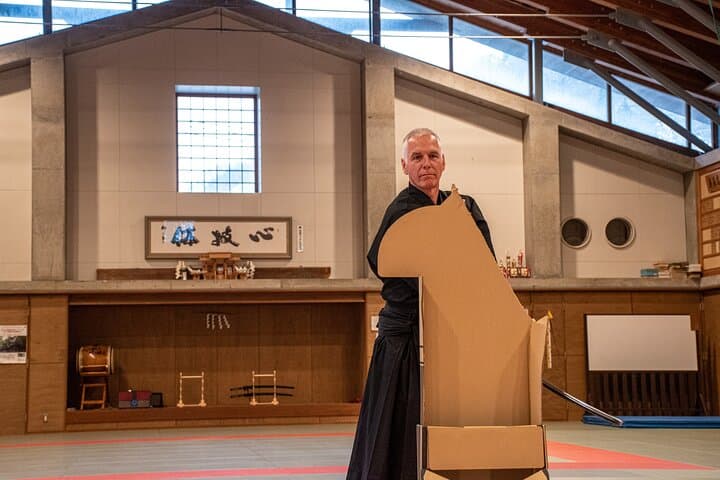
Expect structured instruction—bowing, basic footwork, single-kata repetition and a final test cut on a cardboard target. The experience emphasizes manners as much as motion: posture, respect for the blade, and safe handling. Locals often pair this with a walk along the Hinokinai River, where cherry trees push petals into the current in spring.
Practical notes: wear layers under the provided dogi, bring a reusable water bottle, and arrive 10–15 minutes early for orientation. The dojo is small and instruction may be bilingual or with translation, but ask in advance if you require English guidance. This is an active cultural exchange—expect hands-on correction, quiet concentration, and the thrill of completing your first kata in a town that still honors the samurai code.
moderate.
2–3 hours.
Moderate fitness and balance; suitable for those comfortable standing and performing controlled movements for extended periods.
No—this program is designed for beginners and focuses on basic iaido kata, etiquette and safe handling of a replica sword.
Yes, a replica sword and dogi are included in the experience; bring your own underlayers and shoes.
Participants must meet a moderate fitness level and answer health questions; the experience is often suitable for teens and adults but check age and health restrictions before booking.
Instruction may be in Japanese with basic English support in many classes; confirm language availability when booking if you require full English instruction.
Kakunodate was a prosperous Edo-period castle town; many samurai residences facing the main street have been preserved as a National Important Preservation District.
The Samurai District is protected to preserve traditional buildings—visitors are asked to respect private properties, avoid loud behavior and follow signage to minimize wear on historic sites.
Akita INAKA Travel operates guided outdoor trips and adventures with an emphasis on safety, stewardship, and memorable experiences.
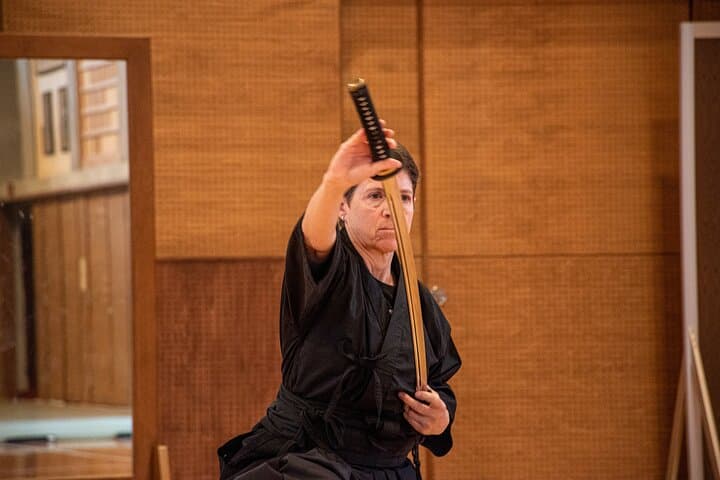
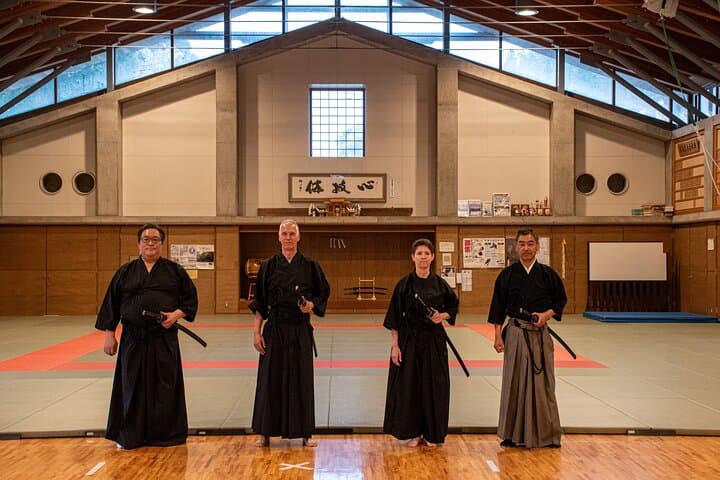
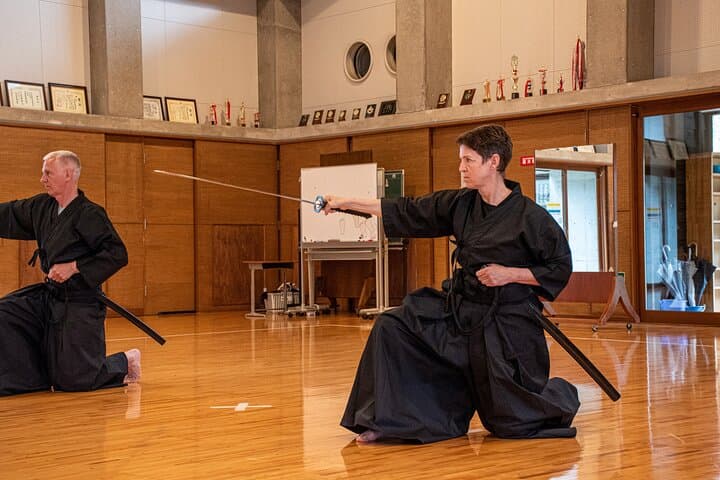
The wooden eaves throw thin shadows across a compact street of samurai homes as you step into a dojo that faces the samurai residence row. The air smells faintly of tatami and oil; a replica sword rests at your side, waiting. Over two focused hours you put on a dogi, learn the measured pace of iaido kata, and practice a controlled draw that asks more of your attention than your strength.
The wooden eaves throw thin shadows across a compact street of samurai homes as you step into a dojo that faces the samurai residence row. The air smells faintly of tatami and oil; a replica sword rests at your side, waiting. Over two focused hours you put on a dogi, learn the measured pace of iaido kata, and practice a controlled draw that asks more of your attention than your strength.
Kakunodate developed as a castle town in the Edo period and still wears that history in its streets and gardens. The Samurai District is a protected preservation area: houses, gates and gardens preserve a way of life where etiquette mattered as much as technique. The sword was once a social and spiritual symbol; modern iaido translates that discipline into deliberate movement and concentrated calm.
Expect structured instruction—bowing, basic footwork, single-kata repetition and a final test cut on a cardboard target. The experience emphasizes manners as much as motion: posture, respect for the blade, and safe handling. Locals often pair this with a walk along the Hinokinai River, where cherry trees push petals into the current in spring.
Practical notes: wear layers under the provided dogi, bring a reusable water bottle, and arrive 10–15 minutes early for orientation. The dojo is small and instruction may be bilingual or with translation, but ask in advance if you require English guidance. This is an active cultural exchange—expect hands-on correction, quiet concentration, and the thrill of completing your first kata in a town that still honors the samurai code.