THE ADVENTURE COLLECTIVE® · Independent discovery and booking for outdoor travel

Catch a hydrofoil from Naples to Ischia for a full-day visit to the Aragonese Castle—an eight-hour trip that pairs fast sea transfer with centuries of history on a volcanic islet. Practical tips for timing, transfers, and what to expect once you land.
Catch a hydrofoil from Naples to Ischia for a full-day visit to the Aragonese Castle—an eight-hour trip that pairs fast sea transfer with centuries of history on a volcanic islet. Practical tips for timing, transfers, and what to expect once you land.
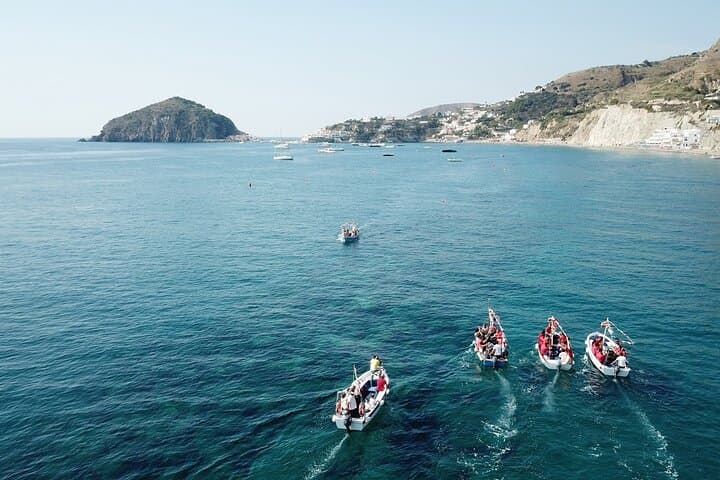
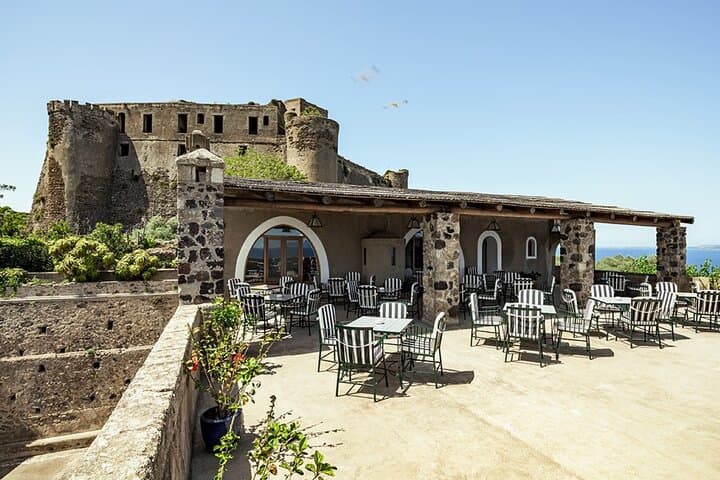
You step off the hydrofoil into a salt-bright wind and the first view of Castello Aragonese rises from a rocky islet like an ancient docked ship—stone walls, narrow ramps, and the low hum of the Tyrrhenian. The transfer from Naples Beverello slices through blue water in about an hour; the island’s profile grows, and by the time the taxi drops you at Ischia Ponte the castle’s bridge and moat dominate the harbor.
Verified experiences and guided adventures in the surrounding area.
Operated by Arcadia Tour Operator e DMC · Ischia, Campania
You step off the hydrofoil into a salt-bright wind and the first view of Castello Aragonese rises from a rocky islet like an ancient docked ship—stone walls, narrow ramps, and the low hum of the Tyrrhenian. The transfer from Naples Beverello slices through blue water in about an hour; the island’s profile grows, and by the time the taxi drops you at Ischia Ponte the castle’s bridge and moat dominate the harbor.
The fortress began as a Greek stronghold in 474 BC and was enlarged by Alfonso V of Aragon in the 15th century; its layered masonry shows volcanic tuff and medieval repairs. Geologically, Ischia is a volcanic island—black lava outcrops and pumice-rich soils create the island’s steep headlands and lush gardens. Local culture mixes fishing village rhythms with thermal spa traditions; Ischia Ponte still smells of sea-salted fish and simmering tomato sauce from neighborhood trattorie.
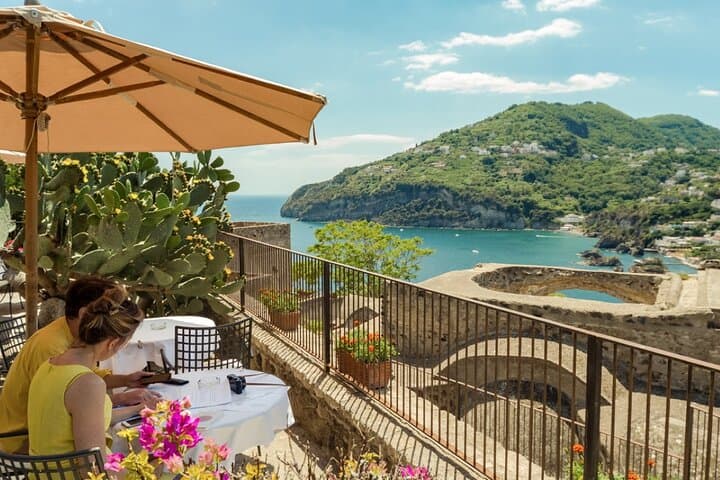
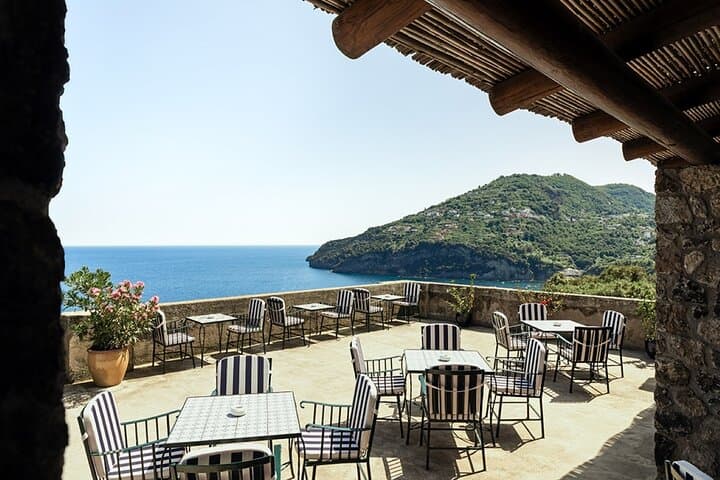
Inside the castle, expect narrow stairways, a small museum of maritime and medieval artifacts, a chapel, and terraced gardens with views across the gulf to Vesuvius. Photography is rewarding but watch for uneven stone underfoot.
Practical guidance: arrive at Beverello 30 minutes before the 8:30 departure, bring ID/voucher for castle admission, and plan your taxi timing—the return transfer collects you about one hour before the hydrofoil back to Naples. Wear sturdy shoes for cobbled surfaces, carry sun protection and water, and allow roughly eight hours for the round trip including ferry times and on-island transfers.
easy.
8 hours.
Suitable for most fitness levels; requires walking on uneven surfaces and some stairs inside the castle.
The hydrofoil crossing typically takes about 50–70 minutes depending on service and sea conditions.
Some areas have limited access due to stairs and historic pathways, but the tour notes wheelchair accessibility—check specific access points with the provider before booking.
Present the voucher from your booking confirmation at admission; either mobile or paper tickets are accepted per the tour information.
Yes—return SVAV hydrofoil tickets and local transfer to Sant'Angelo/Ischia Ponte are included; the taxi picks you up for return about an hour before departure.
The Aragonese Castle traces origins to the 5th century BC and was fortified repeatedly, with major expansion under Alfonso V in 1441, reflecting Ischia’s strategic maritime role.
Respect the fragile historic masonry and gardens by staying on marked paths and avoiding litter; local efforts focus on preserving the castle and reducing tourist impact on narrow island streets.
Arcadia Tour Operator e DMC operates guided outdoor trips and adventures with an emphasis on safety, stewardship, and memorable experiences.
You step off the hydrofoil into a salt-bright wind and the first view of Castello Aragonese rises from a rocky islet like an ancient docked ship—stone walls, narrow ramps, and the low hum of the Tyrrhenian. The transfer from Naples Beverello slices through blue water in about an hour; the island’s profile grows, and by the time the taxi drops you at Ischia Ponte the castle’s bridge and moat dominate the harbor.
You step off the hydrofoil into a salt-bright wind and the first view of Castello Aragonese rises from a rocky islet like an ancient docked ship—stone walls, narrow ramps, and the low hum of the Tyrrhenian. The transfer from Naples Beverello slices through blue water in about an hour; the island’s profile grows, and by the time the taxi drops you at Ischia Ponte the castle’s bridge and moat dominate the harbor.
The fortress began as a Greek stronghold in 474 BC and was enlarged by Alfonso V of Aragon in the 15th century; its layered masonry shows volcanic tuff and medieval repairs. Geologically, Ischia is a volcanic island—black lava outcrops and pumice-rich soils create the island’s steep headlands and lush gardens. Local culture mixes fishing village rhythms with thermal spa traditions; Ischia Ponte still smells of sea-salted fish and simmering tomato sauce from neighborhood trattorie.
Inside the castle, expect narrow stairways, a small museum of maritime and medieval artifacts, a chapel, and terraced gardens with views across the gulf to Vesuvius. Photography is rewarding but watch for uneven stone underfoot.
Practical guidance: arrive at Beverello 30 minutes before the 8:30 departure, bring ID/voucher for castle admission, and plan your taxi timing—the return transfer collects you about one hour before the hydrofoil back to Naples. Wear sturdy shoes for cobbled surfaces, carry sun protection and water, and allow roughly eight hours for the round trip including ferry times and on-island transfers.