THE ADVENTURE COLLECTIVE® · Independent discovery and booking for outdoor travel

Experience the Rhine differently: get towed by a motorboat from Regioport, cross into calmer water past the Dreiländereck, and try hydrofoiling or tow-surfing with instructor-led coaching. Ideal for those with moderate fitness who want an hour of fast-progress water time.
Experience the Rhine differently: get towed by a motorboat from Regioport, cross into calmer water past the Dreiländereck, and try hydrofoiling or tow-surfing with instructor-led coaching. Ideal for those with moderate fitness who want an hour of fast-progress water time.
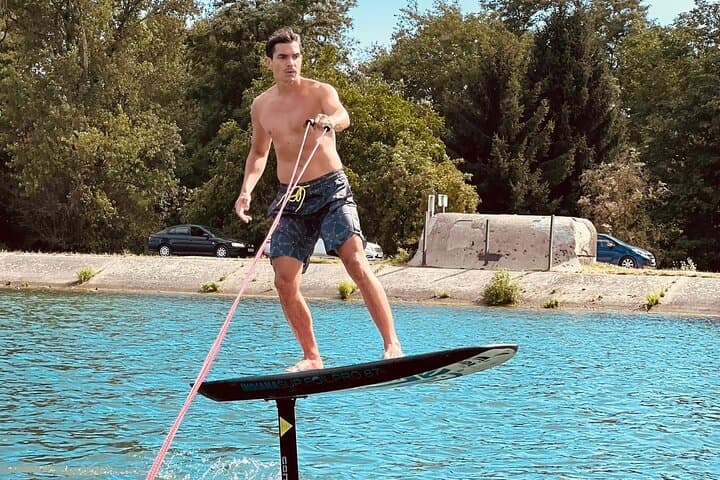
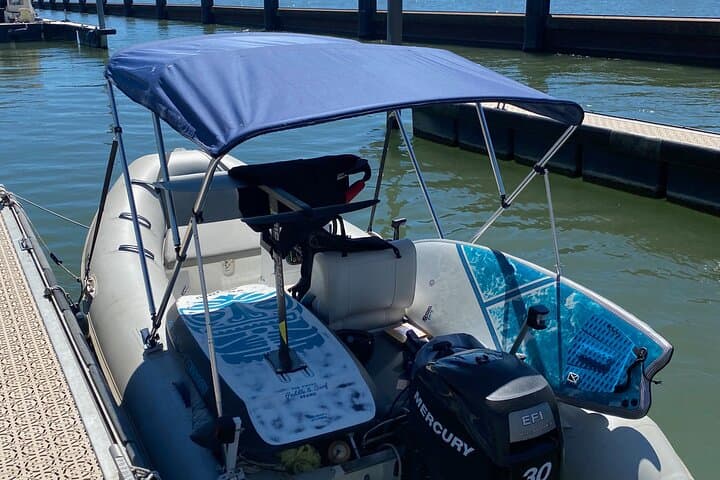
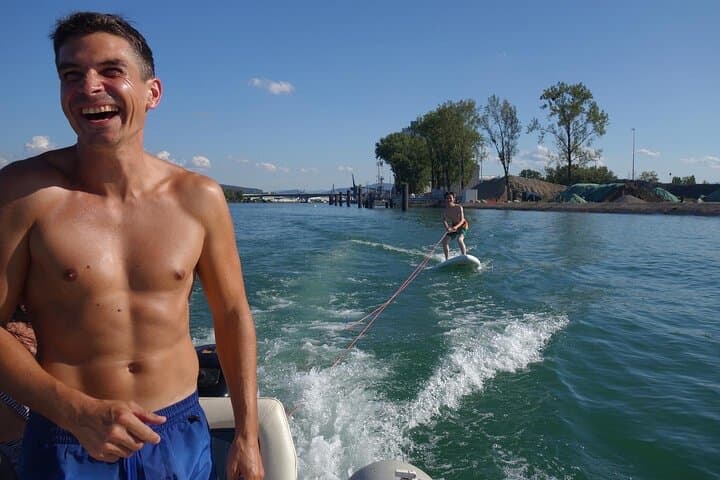
The motorboat slips away from the Regioport, the city’s edge folding back into open water. Wind shapes the surface and the Rhine opens wider as you cross the French border; the current softens, the river breathes easier, and the instructor clips you to a towline. Even at low speed the foil’s wings bite the water, lifting board and rider until the river seems to hand you flight.
Verified experiences and guided adventures in the surrounding area.
Operated by Rhyfoil · Basel, Basel-Stadt
The motorboat slips away from the Regioport, the city’s edge folding back into open water. Wind shapes the surface and the Rhine opens wider as you cross the French border; the current softens, the river breathes easier, and the instructor clips you to a towline. Even at low speed the foil’s wings bite the water, lifting board and rider until the river seems to hand you flight.
This stretch of the Upper Rhine carries centuries of commerce and shifting borders — a working river cut through Pleistocene gravel and bedrock, later constrained by locks and ports. Basel’s Dreiländereck marks where cultures and languages meet; on the water you feel that meeting as a change in pace and current rather than a line on a map.
Sessions split into two experiences: foiling, where an underwater wing elevates a stable carbon board into a near-silent glide, and tow-surfing, a wake-style ride with free feet and quick edge work. The setting is practical: wide channel, reduced commercial traffic here, and an instructor-led progression from kneeling to standing to controlled glides.
Plan for one focused hour: arrive hydrated, warmed up, and ready to move. Bring layers and quick-drying clothes — the river will cool you faster than you expect, and weather can shift between Basel and the riverbank. Expect a fast learning curve if you have basic balance and core strength; falls are part of practice and the crew is staged to retrieve riders and gear.
This outing is best in stable conditions and with a short pre-briefing: practical coaching, safety protocol, and incremental skill-building that leaves you floating higher than you arrived.
moderate.
1 hour.
Moderate — should be comfortable treading water, have basic balance and some core strength for standing on the board.
No prior foiling experience is required; instructors begin with kneeling and progress to standing, but a basic level of balance and comfort in the water helps you learn faster.
Falls are expected; you release the handle, the board floats, and the crew retrieves you quickly — instructors coach safe re-mount procedures during the briefing.
Yes — you should be able to swim and tread water; all participants wear provided life jackets and helmets, but swimming competency is part of the physical requirement.
Operators often suspend runs in high winds, storms, or ice — check availability and the 24-hour cancellation policy before booking.
The Rhine has long been a trade artery and a political boundary; the Dreiländereck near Basel reflects centuries of shifting control and the river’s role in regional industry.
Operators work in regulated sections of the Rhine to avoid commercial channels and reduce disturbance; stick to provided equipment and avoid littering to protect river habitats.
Rhyfoil operates guided outdoor trips and adventures with an emphasis on safety, stewardship, and memorable experiences.
The motorboat slips away from the Regioport, the city’s edge folding back into open water. Wind shapes the surface and the Rhine opens wider as you cross the French border; the current softens, the river breathes easier, and the instructor clips you to a towline. Even at low speed the foil’s wings bite the water, lifting board and rider until the river seems to hand you flight.
The motorboat slips away from the Regioport, the city’s edge folding back into open water. Wind shapes the surface and the Rhine opens wider as you cross the French border; the current softens, the river breathes easier, and the instructor clips you to a towline. Even at low speed the foil’s wings bite the water, lifting board and rider until the river seems to hand you flight.
This stretch of the Upper Rhine carries centuries of commerce and shifting borders — a working river cut through Pleistocene gravel and bedrock, later constrained by locks and ports. Basel’s Dreiländereck marks where cultures and languages meet; on the water you feel that meeting as a change in pace and current rather than a line on a map.
Sessions split into two experiences: foiling, where an underwater wing elevates a stable carbon board into a near-silent glide, and tow-surfing, a wake-style ride with free feet and quick edge work. The setting is practical: wide channel, reduced commercial traffic here, and an instructor-led progression from kneeling to standing to controlled glides.
Plan for one focused hour: arrive hydrated, warmed up, and ready to move. Bring layers and quick-drying clothes — the river will cool you faster than you expect, and weather can shift between Basel and the riverbank. Expect a fast learning curve if you have basic balance and core strength; falls are part of practice and the crew is staged to retrieve riders and gear.
This outing is best in stable conditions and with a short pre-briefing: practical coaching, safety protocol, and incremental skill-building that leaves you floating higher than you arrived.