THE ADVENTURE COLLECTIVE® · Independent discovery and booking for outdoor travel

Spend a full day on Hydra with a private guide—two hours by ferry from Piraeus to a car-free island of stone lanes, donkeys, and sea-swept views. Learn the island’s maritime history, walk coastal paths, and enjoy flexible time for lunch or museums.
Spend a full day on Hydra with a private guide—two hours by ferry from Piraeus to a car-free island of stone lanes, donkeys, and sea-swept views. Learn the island’s maritime history, walk coastal paths, and enjoy flexible time for lunch or museums.
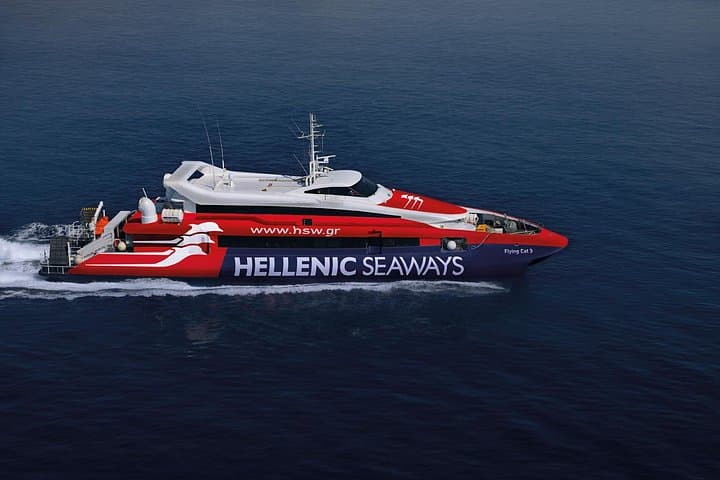
A ferry thunders past Poros and the Saronic Sea opens blue and quick; by the time the hull slows, Hydra’s stone harbor steps forward like a stage. The island’s absence of cars is obvious the moment you disembark—donkeys and footsteps set the tempo, and a private guide reshapes the lanes into a living map of stories, museums, and cliffside views.
Verified experiences and guided adventures in the surrounding area.
Operated by EUDAIMONIA Private Tours · Hydra, Attica
A ferry thunders past Poros and the Saronic Sea opens blue and quick; by the time the hull slows, Hydra’s stone harbor steps forward like a stage. The island’s absence of cars is obvious the moment you disembark—donkeys and footsteps set the tempo, and a private guide reshapes the lanes into a living map of stories, museums, and cliffside views.
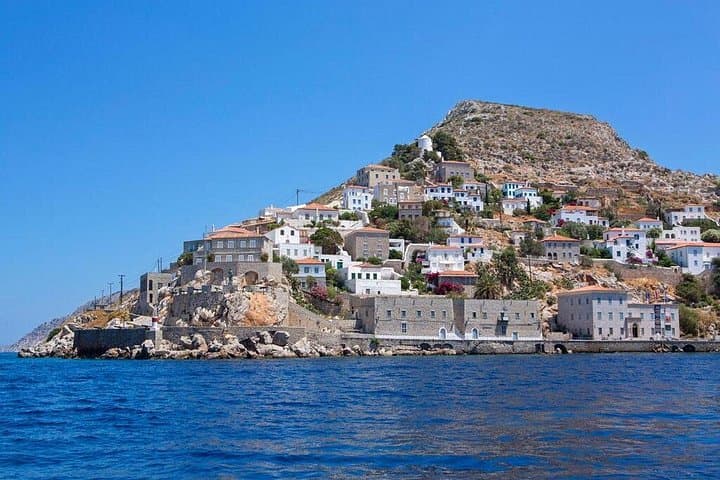
Hydra’s history is maritime: in the 18th and 19th centuries its shipowners built a fleet that made the island wealthy and influential in the Greek War of Independence. Geologically it’s a rugged outcrop of crystalline schist and limestone, cliffs dropping into clear bays where the sea often dares you to swim. The cultural mood is quietly cosmopolitan—artists, cafés, and preserved mansions sit beside working fisheries and a small Orthodox monastery.
Your guide sketches routes to the Merchant Marine Academy, the Lazaros Koundouriotis Museum, and the winding coast path toward Kaminia. Time on Hydra is both paced and flexible; lunch can be a seaside taverna or a quick coffee on the quay. Expect uneven stone alleys, short stair climbs, and close-up encounters with local wildlife—donkeys, cats, and coastal birds.
Practical notes: boats from Piraeus take roughly two hours; plan for an 8–9 hour day including transfers. Wear supportive shoes, sun protection, and bring cash for small shops and donkey rides. If sea conditions are rough, ferry times change—pack motion-sickness remedies and allow a buffer for return. With a private guide and confirmed transfers, the day becomes a focused window into a quieter, vehicle-free Greek island life.
moderate.
8–9 hours.
Moderate—comfortable walking for several hours with short steep sections and stairs
The commercial ferry takes about two hours, often with a stop at Poros; times can vary with sea conditions.
No—Hydra is car-free; donkeys and foot traffic are the island’s primary transport, making navigation pedestrian-focused.
Lunch is optional; guides can recommend or reserve tavernas but food costs are usually separate unless stated otherwise.
Bring or request motion-sickness tablets before boarding; sit on deck if possible, focus on the horizon, and let your guide know so arrangements can be adjusted.
Hydra’s 18th–19th century shipowners built a powerful merchant fleet and the island played a notable role in the Greek War of Independence.
Hydra’s car-free policy is central to local conservation; visitors are encouraged to minimize waste, avoid feeding wildlife, and respect water scarcity on the island.
EUDAIMONIA Private Tours operates guided outdoor trips and adventures with an emphasis on safety, stewardship, and memorable experiences.
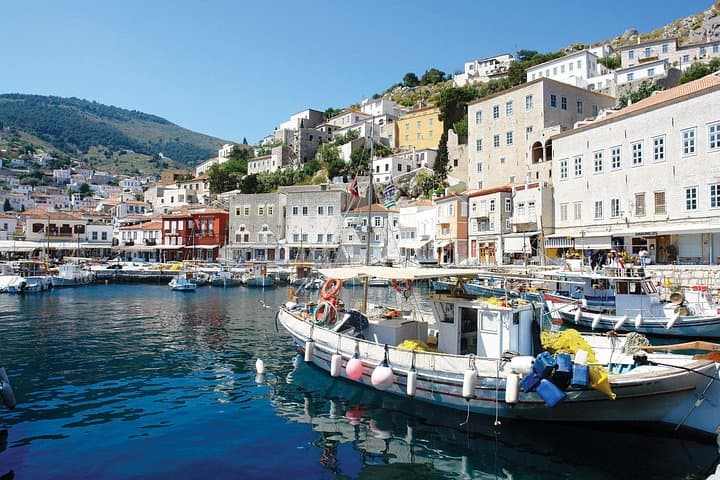
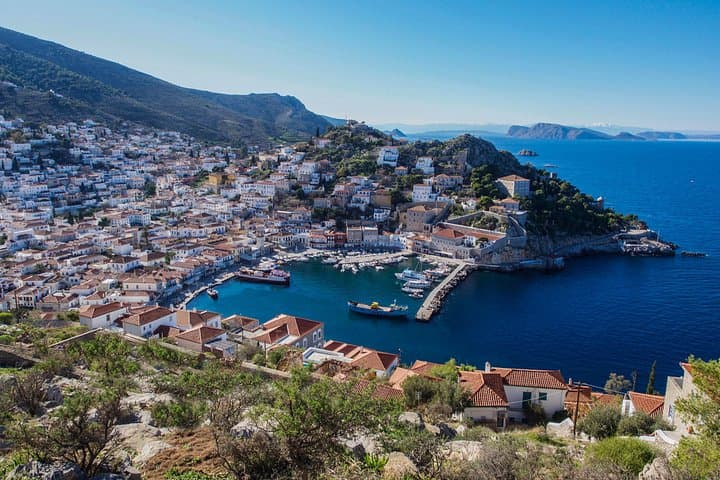
A ferry thunders past Poros and the Saronic Sea opens blue and quick; by the time the hull slows, Hydra’s stone harbor steps forward like a stage. The island’s absence of cars is obvious the moment you disembark—donkeys and footsteps set the tempo, and a private guide reshapes the lanes into a living map of stories, museums, and cliffside views.
A ferry thunders past Poros and the Saronic Sea opens blue and quick; by the time the hull slows, Hydra’s stone harbor steps forward like a stage. The island’s absence of cars is obvious the moment you disembark—donkeys and footsteps set the tempo, and a private guide reshapes the lanes into a living map of stories, museums, and cliffside views.
Hydra’s history is maritime: in the 18th and 19th centuries its shipowners built a fleet that made the island wealthy and influential in the Greek War of Independence. Geologically it’s a rugged outcrop of crystalline schist and limestone, cliffs dropping into clear bays where the sea often dares you to swim. The cultural mood is quietly cosmopolitan—artists, cafés, and preserved mansions sit beside working fisheries and a small Orthodox monastery.
Your guide sketches routes to the Merchant Marine Academy, the Lazaros Koundouriotis Museum, and the winding coast path toward Kaminia. Time on Hydra is both paced and flexible; lunch can be a seaside taverna or a quick coffee on the quay. Expect uneven stone alleys, short stair climbs, and close-up encounters with local wildlife—donkeys, cats, and coastal birds.
Practical notes: boats from Piraeus take roughly two hours; plan for an 8–9 hour day including transfers. Wear supportive shoes, sun protection, and bring cash for small shops and donkey rides. If sea conditions are rough, ferry times change—pack motion-sickness remedies and allow a buffer for return. With a private guide and confirmed transfers, the day becomes a focused window into a quieter, vehicle-free Greek island life.