THE ADVENTURE COLLECTIVE® · Independent discovery and booking for outdoor travel

Spend a full day on Hydra with hotel transfers and return ferry from Athens. Explore car‑free lanes, waterfront cafés and secluded coves at your own pace—this private day trip gives you roughly five hours on the island to roam independently.
Spend a full day on Hydra with hotel transfers and return ferry from Athens. Explore car‑free lanes, waterfront cafés and secluded coves at your own pace—this private day trip gives you roughly five hours on the island to roam independently.
You step off the ferry into a harbor where wooden skiffs bob and donkeys eye the quay like old island residents. Sun hits the red-tiled roofs and stone alleys; the air smells of salt, frying fish and jasmine. Hydra Town unfolds as a compact labyrinth of paved lanes, low mansions and waterfront cafés — a place that rewards a slow, wandering stride.
Verified experiences and guided adventures in the surrounding area.
Operated by Keytours - Greece · Hydra Town, Attica
You step off the ferry into a harbor where wooden skiffs bob and donkeys eye the quay like old island residents. Sun hits the red-tiled roofs and stone alleys; the air smells of salt, frying fish and jasmine. Hydra Town unfolds as a compact labyrinth of paved lanes, low mansions and waterfront cafés — a place that rewards a slow, wandering stride.
Hydra's architecture and culture grew from its late‑18th and 19th‑century maritime wealth: shipowners built stone houses and warehouses that still define the waterfront. The island’s coastline is rugged Mediterranean rock softened by pebbled coves and sheltered bays; sea and wind have carved private swimming spots reachable on foot or by water taxi. Culturally, Hydra retained a bohemian streak after the 1960s, attracting artists and writers; today that influence shows in galleries, small concerts and a lively port scene.
Practically, this private day trip includes hotel transfers to Piraeus, under two hours by standard ferry, and roughly five hours free on Hydra to explore independently. Expect cobbled streets, many stair sections and ferries that run on fixed schedules — plan your return in advance. Carry cash (some smaller cafés and water taxis don’t take cards), wear robust walking shoes for uneven stone, and bring sun protection and a refillable water bottle. If you want quieter beaches, ask locally about short boat rides to small coves or stroll uphill for panoramic views.
Hydra is low‑impact by design (no private cars), but it fills in summer; pick early departures or shoulder seasons for a calmer visit.
easy.
8–10 hours (including transfers).
Suitable for most fitness levels—be prepared for walking on uneven, stepped streets for several hours
Typical ferry crossings take under two hours on standard local services, though exact times depend on the route and vessel.
Private cars and motorcycles are prohibited; only service vehicles like garbage trucks operate—donkeys, bicycles and water taxis handle local transport.
The excursion is family-friendly, but many streets have steps and narrow alleys; strollers may be difficult in parts of town though short stretches are accessible.
Yes—especially in summer, check return ferry availability early in the day and factor in transfer times to ensure you don’t miss the scheduled pick‑up back to Athens.
Hydra’s prosperity rose in the late 18th and early 19th centuries through shipping and privateers; its fleet and captains were influential during the Greek War of Independence.
Hydra limits private vehicles which reduces on‑island emissions; visitors should pack out trash and stick to marked paths to protect fragile coastal vegetation.
Keytours - Greece operates guided outdoor trips and adventures with an emphasis on safety, stewardship, and memorable experiences.
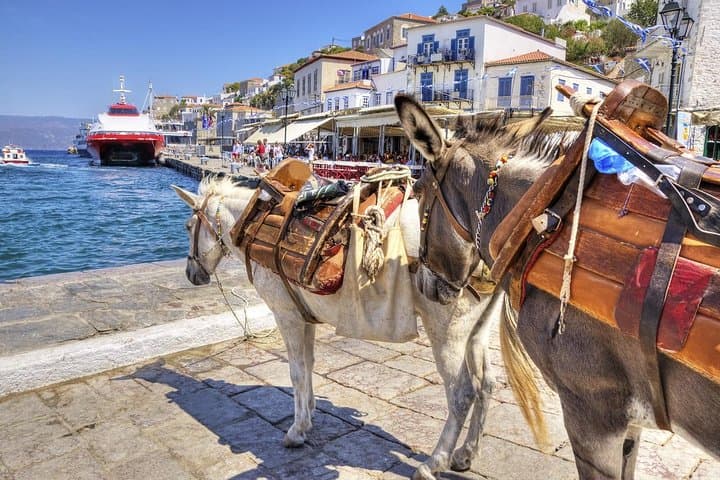
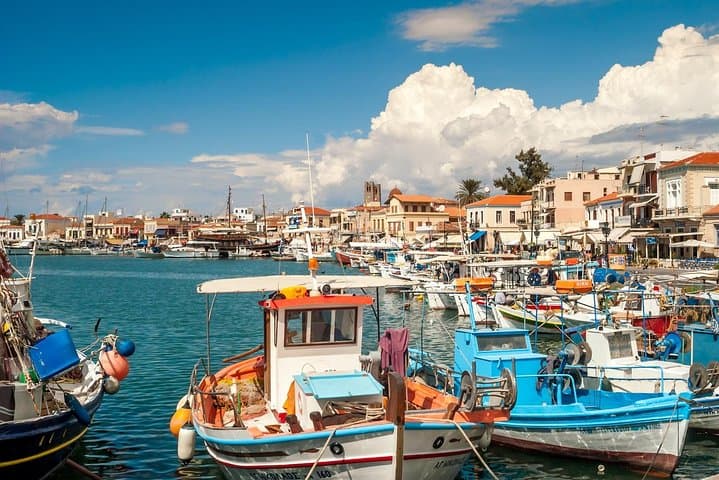
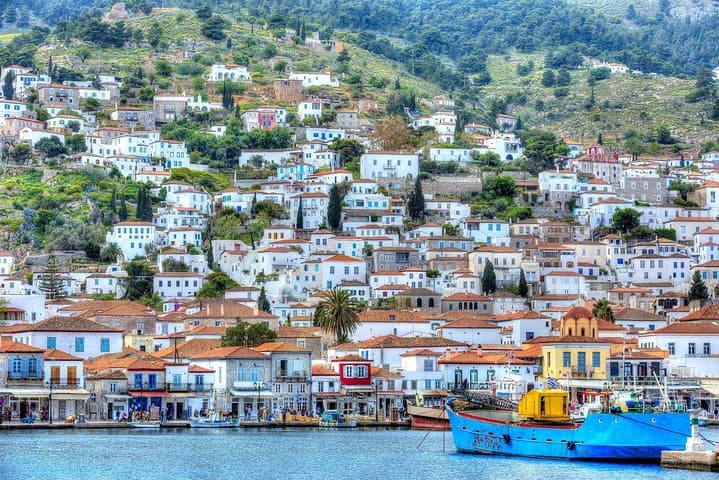
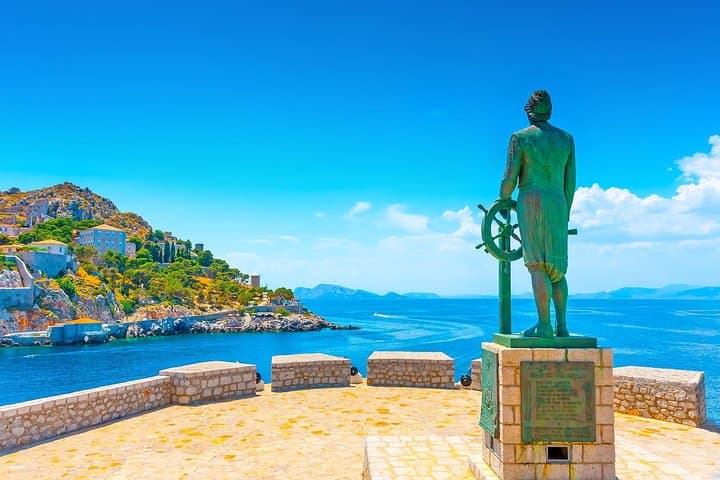
You step off the ferry into a harbor where wooden skiffs bob and donkeys eye the quay like old island residents. Sun hits the red-tiled roofs and stone alleys; the air smells of salt, frying fish and jasmine. Hydra Town unfolds as a compact labyrinth of paved lanes, low mansions and waterfront cafés — a place that rewards a slow, wandering stride.
You step off the ferry into a harbor where wooden skiffs bob and donkeys eye the quay like old island residents. Sun hits the red-tiled roofs and stone alleys; the air smells of salt, frying fish and jasmine. Hydra Town unfolds as a compact labyrinth of paved lanes, low mansions and waterfront cafés — a place that rewards a slow, wandering stride.
Hydra's architecture and culture grew from its late‑18th and 19th‑century maritime wealth: shipowners built stone houses and warehouses that still define the waterfront. The island’s coastline is rugged Mediterranean rock softened by pebbled coves and sheltered bays; sea and wind have carved private swimming spots reachable on foot or by water taxi. Culturally, Hydra retained a bohemian streak after the 1960s, attracting artists and writers; today that influence shows in galleries, small concerts and a lively port scene.
Practically, this private day trip includes hotel transfers to Piraeus, under two hours by standard ferry, and roughly five hours free on Hydra to explore independently. Expect cobbled streets, many stair sections and ferries that run on fixed schedules — plan your return in advance. Carry cash (some smaller cafés and water taxis don’t take cards), wear robust walking shoes for uneven stone, and bring sun protection and a refillable water bottle. If you want quieter beaches, ask locally about short boat rides to small coves or stroll uphill for panoramic views.
Hydra is low‑impact by design (no private cars), but it fills in summer; pick early departures or shoulder seasons for a calmer visit.