THE ADVENTURE COLLECTIVE® · Independent discovery and booking for outdoor travel

Spend a full day in Hwange National Park tracking elephants, lions and the Big Five from waterhole viewing platforms. This shared game drive from Victoria Falls pairs long dry-season visibility with managed water sources to maximize sightings.
Spend a full day in Hwange National Park tracking elephants, lions and the Big Five from waterhole viewing platforms. This shared game drive from Victoria Falls pairs long dry-season visibility with managed water sources to maximize sightings.
You climb into an open 4x4 as the horizon flattens into Kalahari sand and a line of fever trees; dust lifts behind the vehicle and the park’s dry pans lay out like pale mirrors. By midmorning the convoy slips into shade where elephants pull at branches and a lion’s silhouette pauses on a termite mound — Hwange’s wildlife moves with the economy of long experience, daring you to keep up.
Verified experiences and guided adventures in the surrounding area.
Operated by Cultural vibes travel and tours · Hwange, Matabeleland North
You climb into an open 4x4 as the horizon flattens into Kalahari sand and a line of fever trees; dust lifts behind the vehicle and the park’s dry pans lay out like pale mirrors. By midmorning the convoy slips into shade where elephants pull at branches and a lion’s silhouette pauses on a termite mound — Hwange’s wildlife moves with the economy of long experience, daring you to keep up.
Hwange National Park is Zimbabwe’s largest reserve and part of the Kavango–Zambezi Transfrontier Conservation Area. Geology here is dominated by ancient Kalahari sands and seasonal pans that collect life during the dry months; culturally the park borders communities whose livelihoods have long woven around seasonal migration and water access. The park’s eastern sectors earned global attention after the Cecil incident, but Hwange’s deeper story is one of predator-prey balance and managed waterholes that concentrate viewing opportunities.
Practical guidance: the shared game drive runs as a full-day outing (roughly 9:00–16:00). Expect dusty, bumpy tracks and long stretches of sitting interspersed with sudden wildlife encounters. Lunch is served at a viewing platform beside an active waterhole; bring a daypack, steady binoculars, charged camera batteries, sun protection and a light layer for early-morning chill. Vehicles are air-conditioned for transfers, but game-viewing is in open vehicles so neutral clothing and quiet movement improve sightings. Malaria prophylaxis and insect repellent are commonly advised for travelers to this region. Plan for early starts, carry extra memory cards, and leave large-scale luggage in Victoria Falls accommodations — the park day is designed to maximize time watching elephants, lions, buffalo and the smaller species that cluster at water.
easy.
8 hours.
Low fitness required; participants should be able to sit for several hours with occasional short walks at viewing points.
Pickup from Victoria Falls is early; the itinerary covers approximately 9:00–16:00 with transfers included.
Yes — lunch is served at a viewing platform near a waterhole during the game drive.
Hwange is known for the Big Five, but sightings depend on season and luck; managed waterholes increase chances, especially in the dry season.
The tour is family-friendly but involves vehicle transfers on bumpy roads; it’s not recommended for people with serious spinal or heart conditions and pregnant travelers should consult their doctor.
Hwange occupies ancient Kalahari sands and forms an eastern edge of the Kavango–Zambezi Transfrontier Conservation Area; it gained international attention after the death of the lion named Cecil, which highlighted poaching and conservation challenges.
Wildlife viewing here is concentrated around managed waterholes to reduce disturbance; support for anti-poaching and community conservation initiatives helps protect migratory corridors.
Cultural vibes travel and tours operates guided outdoor trips and adventures with an emphasis on safety, stewardship, and memorable experiences.
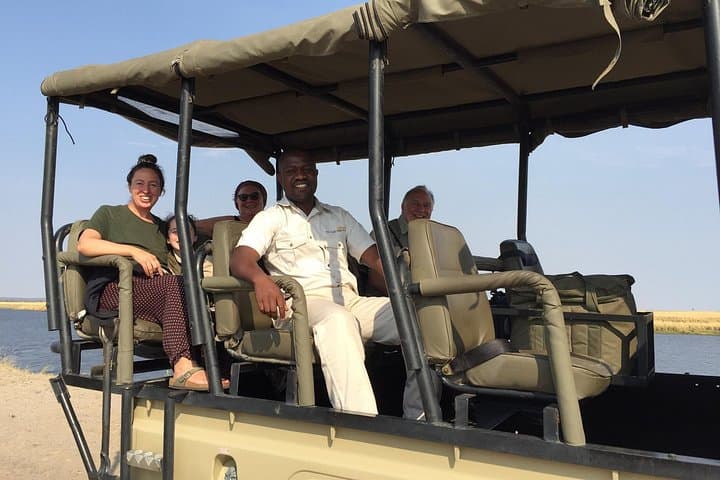
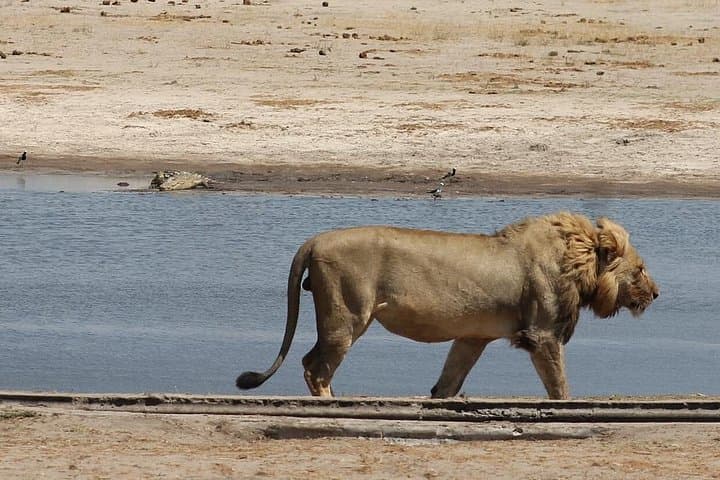
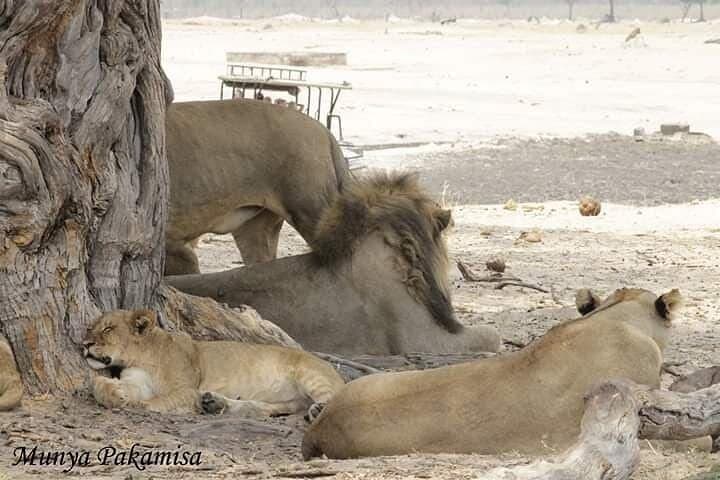
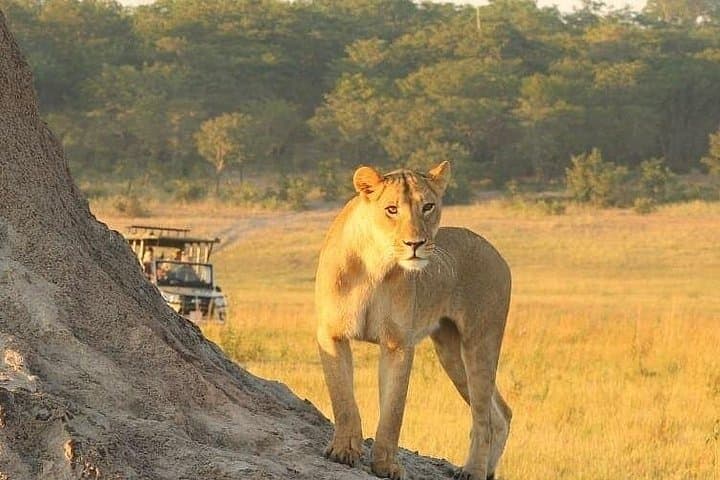
You climb into an open 4x4 as the horizon flattens into Kalahari sand and a line of fever trees; dust lifts behind the vehicle and the park’s dry pans lay out like pale mirrors. By midmorning the convoy slips into shade where elephants pull at branches and a lion’s silhouette pauses on a termite mound — Hwange’s wildlife moves with the economy of long experience, daring you to keep up.
You climb into an open 4x4 as the horizon flattens into Kalahari sand and a line of fever trees; dust lifts behind the vehicle and the park’s dry pans lay out like pale mirrors. By midmorning the convoy slips into shade where elephants pull at branches and a lion’s silhouette pauses on a termite mound — Hwange’s wildlife moves with the economy of long experience, daring you to keep up.
Hwange National Park is Zimbabwe’s largest reserve and part of the Kavango–Zambezi Transfrontier Conservation Area. Geology here is dominated by ancient Kalahari sands and seasonal pans that collect life during the dry months; culturally the park borders communities whose livelihoods have long woven around seasonal migration and water access. The park’s eastern sectors earned global attention after the Cecil incident, but Hwange’s deeper story is one of predator-prey balance and managed waterholes that concentrate viewing opportunities.
Practical guidance: the shared game drive runs as a full-day outing (roughly 9:00–16:00). Expect dusty, bumpy tracks and long stretches of sitting interspersed with sudden wildlife encounters. Lunch is served at a viewing platform beside an active waterhole; bring a daypack, steady binoculars, charged camera batteries, sun protection and a light layer for early-morning chill. Vehicles are air-conditioned for transfers, but game-viewing is in open vehicles so neutral clothing and quiet movement improve sightings. Malaria prophylaxis and insect repellent are commonly advised for travelers to this region. Plan for early starts, carry extra memory cards, and leave large-scale luggage in Victoria Falls accommodations — the park day is designed to maximize time watching elephants, lions, buffalo and the smaller species that cluster at water.