THE ADVENTURE COLLECTIVE® · Independent discovery and booking for outdoor travel

Explore Hvar’s towns, vineyards and coastal villages in one half-day tour. Enjoy guided walks in Hvar Town and Stari Grad, a traditional peka lunch with wine, and free time in the fishing town of Jelsa.
Explore Hvar’s towns, vineyards and coastal villages in one half-day tour. Enjoy guided walks in Hvar Town and Stari Grad, a traditional peka lunch with wine, and free time in the fishing town of Jelsa.
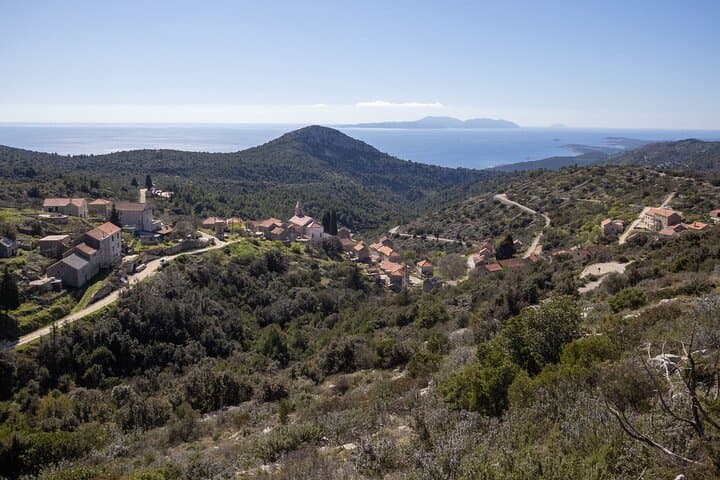
You step off the quay and the Adriatic air opens the island before you: sun-slick harbor water, a line of stone houses, and a single road that climbs past olive terraces and lavender-scented slopes.
Verified experiences and guided adventures in the surrounding area.
Operated by NoSelfie travel agency · Hvar, Split-Dalmatia County
You step off the quay and the Adriatic air opens the island before you: sun-slick harbor water, a line of stone houses, and a single road that climbs past olive terraces and lavender-scented slopes.
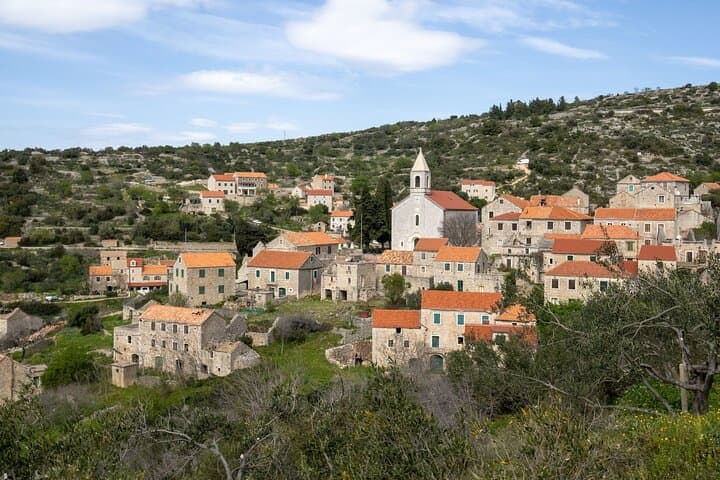
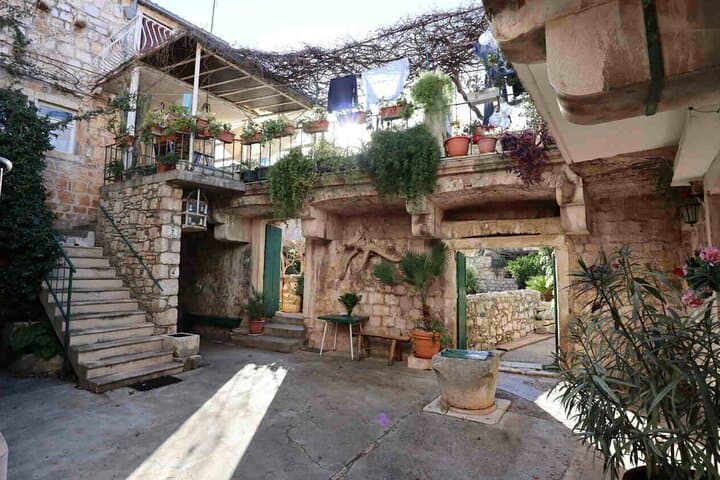
This half-day shore excursion threads Hvar Town, Stari Grad and Jelsa with quick stops in villages like Brusje and Vrisnik. Hvar Town’s 16th-century squares and the Renaissance façades of the Loggia meet the port’s everyday rhythm; in Stari Grad you’ll pass streets that carry Greek and Roman footprints, evidence of one of the oldest Mediterranean settlements. The island’s karst geology shapes steep, rocky ridges and thin, arable strips where vines and olives grip the limestone.
Culturally the trip balances coastal life and agricultural tradition: taste local wines, watch olive groves shimmer, and sample “peka,” a regional method of slow-cooking meat or octopus under an iron bell. Jelsa finishes the route with small-town cafés and some of Hvar’s best gelato and apple cake.
Practical notes: expect light walking on uneven village streets, several short guided stops and a seated lunch of peka with a glass of local wine. Bring sunscreen and a light layer for sea breezes; carry euros or card—small shops may prefer cash. If you want a reserved peka, ask the guide before the tour; it requires coordination with local kitchens. The pace is gentle but busy—ideal for travelers who want concentrated culture, food, and coastal scenery in a single compact outing.
easy.
6 hours.
Suitable for most fitness levels—requires short periods of standing and walking on uneven surfaces.
The tour runs about 6 hours total, covering Hvar Town, Stari Grad, villages en route and finishing in Jelsa.
Yes—lunch is a traditional peka meal (meat or octopus) with dessert and a glass of wine; dietary alternatives can be arranged if requested beforehand.
There is a short free window in Stari Grad for coffee, shopping or facilities; Jelsa also offers relaxed time after lunch.
Yes—infants and small children can use strollers, though some village streets may be uneven.
Hvar Island has Greek and Roman roots; Stari Grad preserves one of the oldest continuously inhabited agricultural landscapes in the Mediterranean.
Visitors are encouraged to stick to paths and avoid picking lavender or disturbing terraces; local producers run small-scale agriculture focused on traditional methods.
NoSelfie travel agency operates guided outdoor trips and adventures with an emphasis on safety, stewardship, and memorable experiences.
You step off the quay and the Adriatic air opens the island before you: sun-slick harbor water, a line of stone houses, and a single road that climbs past olive terraces and lavender-scented slopes.
You step off the quay and the Adriatic air opens the island before you: sun-slick harbor water, a line of stone houses, and a single road that climbs past olive terraces and lavender-scented slopes.
This half-day shore excursion threads Hvar Town, Stari Grad and Jelsa with quick stops in villages like Brusje and Vrisnik. Hvar Town’s 16th-century squares and the Renaissance façades of the Loggia meet the port’s everyday rhythm; in Stari Grad you’ll pass streets that carry Greek and Roman footprints, evidence of one of the oldest Mediterranean settlements. The island’s karst geology shapes steep, rocky ridges and thin, arable strips where vines and olives grip the limestone.
Culturally the trip balances coastal life and agricultural tradition: taste local wines, watch olive groves shimmer, and sample “peka,” a regional method of slow-cooking meat or octopus under an iron bell. Jelsa finishes the route with small-town cafés and some of Hvar’s best gelato and apple cake.
Practical notes: expect light walking on uneven village streets, several short guided stops and a seated lunch of peka with a glass of local wine. Bring sunscreen and a light layer for sea breezes; carry euros or card—small shops may prefer cash. If you want a reserved peka, ask the guide before the tour; it requires coordination with local kitchens. The pace is gentle but busy—ideal for travelers who want concentrated culture, food, and coastal scenery in a single compact outing.