THE ADVENTURE COLLECTIVE® · Independent discovery and booking for outdoor travel

Spend two days on the Mongolian steppe watching the reintroduced Takhi and sharing life with a nomadic family. This private ger homestay combines wildlife viewing at Hustai National Park with hands-on cultural experiences and optional horseback rides.
Spend two days on the Mongolian steppe watching the reintroduced Takhi and sharing life with a nomadic family. This private ger homestay combines wildlife viewing at Hustai National Park with hands-on cultural experiences and optional horseback rides.
The bus eases off the asphalt and the city’s buzz thins to a distant hum. Grasslands take over — a broad, wind-swept plain where the air feels scaled to human lungs and the horizon keeps its promises. Within an hour you’re in Hustai National Park, where grass moves like slow water and the world narrows to the shapes of wild horses grazing under an immense sky.
Verified experiences and guided adventures in the surrounding area.
Operated by Zendmen Travel Mongolia · Ulaanbaatar, Töv Province
The bus eases off the asphalt and the city’s buzz thins to a distant hum. Grasslands take over — a broad, wind-swept plain where the air feels scaled to human lungs and the horizon keeps its promises. Within an hour you’re in Hustai National Park, where grass moves like slow water and the world narrows to the shapes of wild horses grazing under an immense sky.
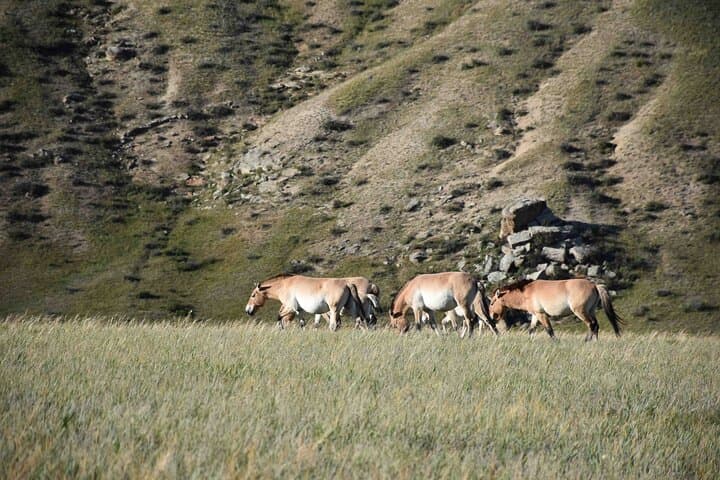
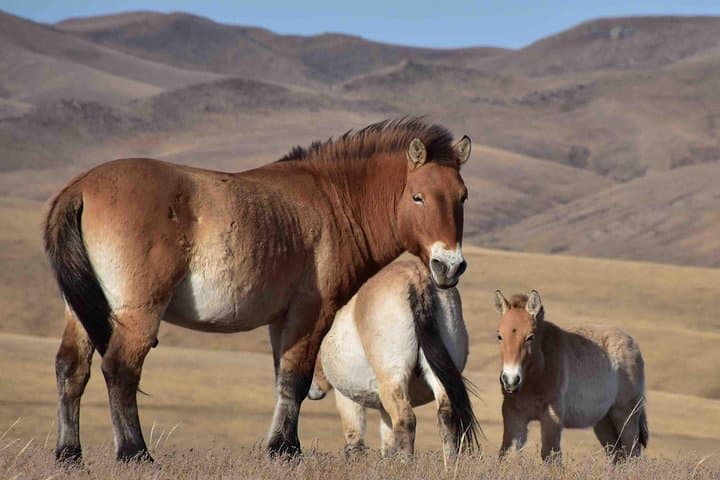
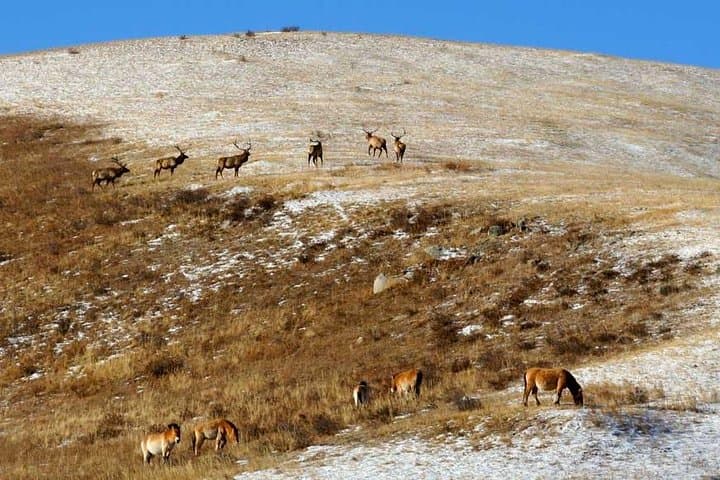
Hustai — established as a protected area in the 1990s — is most famous for the Takhi, the Przewalski’s horse reintroduced here from captivity. The story of the Takhi is a rare conservation reversal: extinct in the wild by mid-20th century, then carefully reintroduced through international cooperation. Geologically, the park sits on rolling steppe and low undulating ridges carved by ancient glacial and river activity. The soil is thin, the grasses tough, and the small river valleys are the places life gathers.
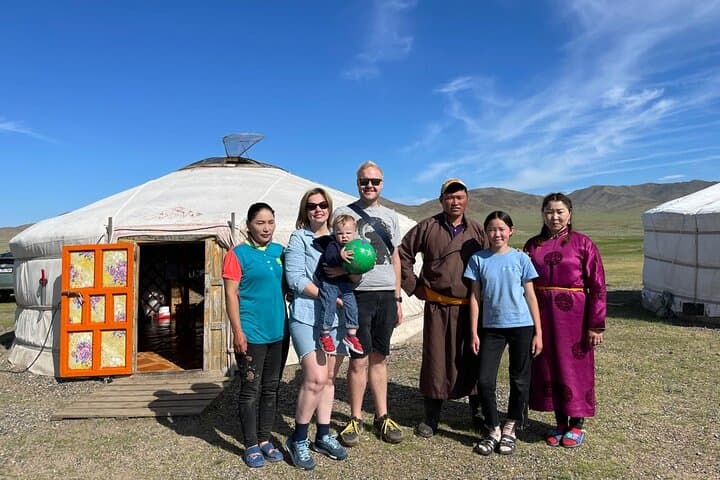
Culturally, the trip folds into Mongolia’s living nomadic heritage. Your overnight is in a private ger with a local family — a structure that reads history as furniture. Expect milky tea, tangy curds, and the quiet rituals of dairy production performed with practiced, unhurried hands. In the afternoon you’ll visit the Ungut Monument Complex, a ring of Turkic stone stelae whose carved faces and horse motifs anchor the landscape to centuries of human movement and memory.
Practically, the experience is intimate and low-impact. Guides time drives to maximize wildlife viewing at dawn and dusk when the Takhi move into sight. Optional horseback rides let you feel how riders have read these plains for generations, but the best encounters are on foot from designated observation points where rules preserve the horses’ wild behaviors.
Plan for wide temperature swings: days can be warm and windy, nights cold even in summer. Bring layers, a sun hat, and a water bottle you can refill at the ger. The ger stay is private and comfortable but rustic — charging phones may be limited, and hot water is practical rather than plentiful.
Logistics are straightforward: pick-up in Ulaanbaatar, an hour-and-a-half to two-hour drive depending on traffic, time on-site for Takhi viewing, homestay, and a return the next day. Book summer dates early if you want the Mongol Nomadic Show option; it’s popular and sold separately. Finally, treat the park as a neighbor: keep distance from wildlife, accept local customs, and leave no trace. The land here will meet you on its own terms — quiet, honest, and surprisingly exacting.
moderate.
2 days.
Suitable for travelers in average fitness — involves light walking, short hikes, and optional horseback riding.
The drive is roughly 1.5–2 hours depending on traffic and pickup location; the tour includes hotel pickup in Ulaanbaatar.
Sightings are likely but not guaranteed; guides time visits for dawn and dusk when Takhi are most active, but wildlife remains unpredictable.
Yes — accommodations are private gers hosted by a nomadic family, offering basic comforts, private space, and traditional meals.
Optional horse rides are available for an additional fee and require prior notice; riders should be comfortable on horses and wear closed-toe shoes.
Facilities are basic; gers have simple toilet arrangements and limited hot-water access, so be prepared for rustic conditions.
Infants can join but must sit on laps for transport; the tour is not recommended for pregnant travelers or those with serious cardiovascular issues.
Hustai was established and expanded in the 1990s to protect the Takhi reintroduction program; the Ungut stones date to early Turkic periods and mark the area’s long human presence.
The park operates under strict wildlife disturbance rules and supports local nomadic livelihoods; minimize impact by following guide instructions and avoiding off-track driving.
Zendmen Travel Mongolia operates guided outdoor trips and adventures with an emphasis on safety, stewardship, and memorable experiences.
The bus eases off the asphalt and the city’s buzz thins to a distant hum. Grasslands take over — a broad, wind-swept plain where the air feels scaled to human lungs and the horizon keeps its promises. Within an hour you’re in Hustai National Park, where grass moves like slow water and the world narrows to the shapes of wild horses grazing under an immense sky.
The bus eases off the asphalt and the city’s buzz thins to a distant hum. Grasslands take over — a broad, wind-swept plain where the air feels scaled to human lungs and the horizon keeps its promises. Within an hour you’re in Hustai National Park, where grass moves like slow water and the world narrows to the shapes of wild horses grazing under an immense sky.
Hustai — established as a protected area in the 1990s — is most famous for the Takhi, the Przewalski’s horse reintroduced here from captivity. The story of the Takhi is a rare conservation reversal: extinct in the wild by mid-20th century, then carefully reintroduced through international cooperation. Geologically, the park sits on rolling steppe and low undulating ridges carved by ancient glacial and river activity. The soil is thin, the grasses tough, and the small river valleys are the places life gathers.
Culturally, the trip folds into Mongolia’s living nomadic heritage. Your overnight is in a private ger with a local family — a structure that reads history as furniture. Expect milky tea, tangy curds, and the quiet rituals of dairy production performed with practiced, unhurried hands. In the afternoon you’ll visit the Ungut Monument Complex, a ring of Turkic stone stelae whose carved faces and horse motifs anchor the landscape to centuries of human movement and memory.
Practically, the experience is intimate and low-impact. Guides time drives to maximize wildlife viewing at dawn and dusk when the Takhi move into sight. Optional horseback rides let you feel how riders have read these plains for generations, but the best encounters are on foot from designated observation points where rules preserve the horses’ wild behaviors.
Plan for wide temperature swings: days can be warm and windy, nights cold even in summer. Bring layers, a sun hat, and a water bottle you can refill at the ger. The ger stay is private and comfortable but rustic — charging phones may be limited, and hot water is practical rather than plentiful.
Logistics are straightforward: pick-up in Ulaanbaatar, an hour-and-a-half to two-hour drive depending on traffic, time on-site for Takhi viewing, homestay, and a return the next day. Book summer dates early if you want the Mongol Nomadic Show option; it’s popular and sold separately. Finally, treat the park as a neighbor: keep distance from wildlife, accept local customs, and leave no trace. The land here will meet you on its own terms — quiet, honest, and surprisingly exacting.