THE ADVENTURE COLLECTIVE® · Independent discovery and booking for outdoor travel

Drive a 4WD through Hurulu Eco Park’s dry evergreen forest and grasslands for a compact, wildlife-rich safari. Expect close encounters with Sri Lankan elephants, active birdlife, and rugged tracks best enjoyed in the cooler hours.
Drive a 4WD through Hurulu Eco Park’s dry evergreen forest and grasslands for a compact, wildlife-rich safari. Expect close encounters with Sri Lankan elephants, active birdlife, and rugged tracks best enjoyed in the cooler hours.
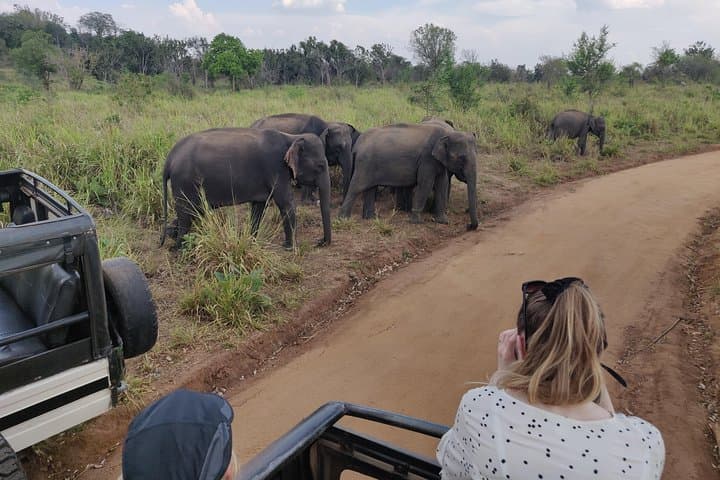
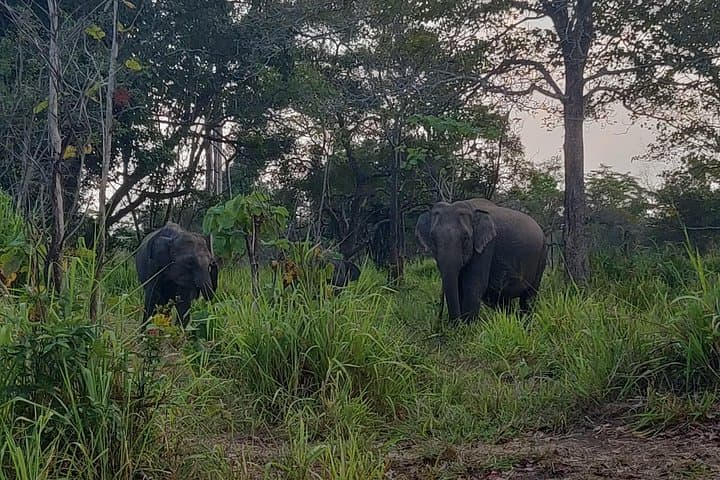
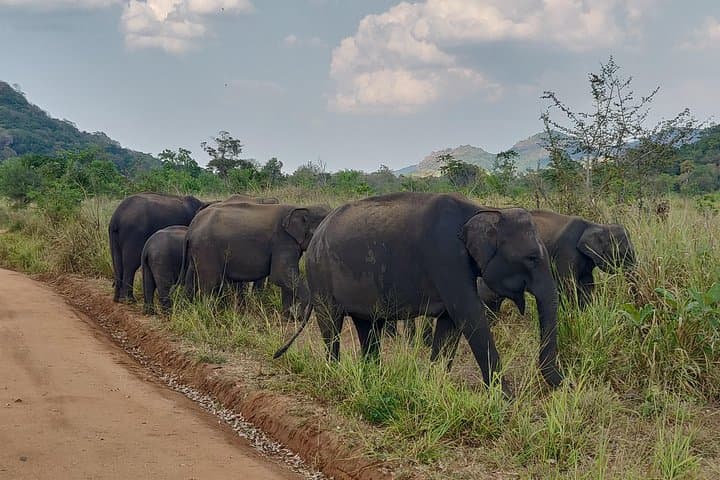
Dust lifts around the jeep as you drive into Hurulu Eco Park; a dry forest breathes around you and the tall grasses shift like a crowd parting to reveal a lone Sri Lankan elephant. The guide eases the engine, and the forest seems to lean in—birds calling, waterholes glinting, the soft rumble of distant trunks. This is a three-hour game drive through a patchwork of dry evergreen forest, abandoned cultivation, and open grasslands where wildlife moves with deliberate calm.
Verified experiences and guided adventures in the surrounding area.
Operated by Lakpura LLC · Habarana, North Central Province
Dust lifts around the jeep as you drive into Hurulu Eco Park; a dry forest breathes around you and the tall grasses shift like a crowd parting to reveal a lone Sri Lankan elephant. The guide eases the engine, and the forest seems to lean in—birds calling, waterholes glinting, the soft rumble of distant trunks. This is a three-hour game drive through a patchwork of dry evergreen forest, abandoned cultivation, and open grasslands where wildlife moves with deliberate calm.
Hurulu sits between the larger reserves of Kaudulla and Minneriya in Sri Lanka’s North Central Province. The geological plain here is ancient alluvium with seasonal tanks and shallow rock outcrops that shaped local farming and seasonal elephant corridors. Cultural ties between villagers and the reserve run deep—shifting cultivation has shaped the mosaic of habitat and, at times, led to human-elephant conflict that local conservation efforts now try to mitigate.
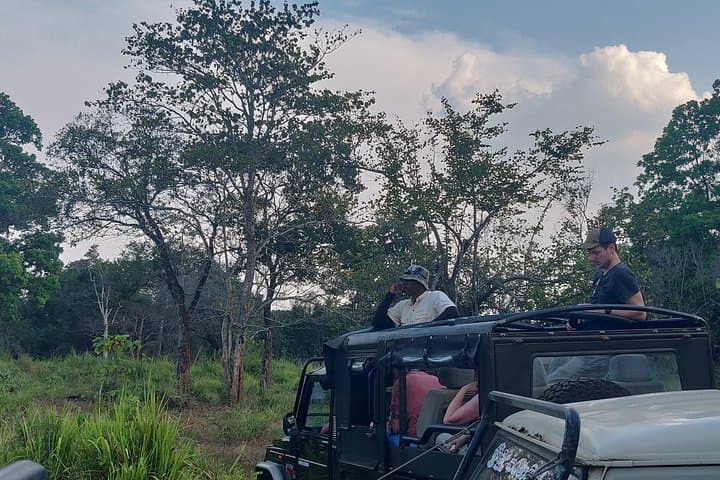
Expect rough 4WD tracks and close-up viewing from a low, open jeep designed for six. Wildlife viewing is best in the cooler mornings and late afternoons when animals visit watering holes; bird activity peaks in the dry season. Bring binoculars and a camera with a decent zoom, wear muted colors and covered shoes, and keep movement quiet—animals respond to small sounds.
Practical: the operator includes pickup within a 5 km radius of the park gate, a guide/driver, and bottled water. Not recommended for pregnant travelers or those with serious back or heart conditions because of bumpy terrain. Plan for shade, sun protection and insect repellent—the park’s rhythms are simple but exacting, and preparation makes the difference between a passing sighting and a lasting encounter.
moderate.
3 hours.
Moderate fitness—able to sit in an open, moving vehicle for several hours and step on/off at uneven surfaces; short walks possible.
Common sightings include Sri Lankan elephants, sambar deer, toque macaques and a wide range of resident and migratory birds; sightings vary by season and water availability.
Children can join but must be supervised; the ride can be bumpy and is not recommended for those with serious back, heart problems, or limited mobility.
The experience typically includes a private safari jeep (max 6 passengers), an experienced driver/guide, bottled water and pickup/drop-off within a 5 km radius of the park gate.
Dry months—roughly May to September—often concentrate wildlife around waterholes, improving viewing; early mornings and late afternoons are generally best year-round.
Hurulu Eco Park sits within a landscape shaped by centuries of smallholder cultivation and ancient irrigation tanks; the mosaic of fallow fields and forest reflects long-standing human-land relationships.
The area faces seasonal water stress and occasional human-elephant conflict; support guides and local initiatives that prioritize non-lethal conflict mitigation and habitat connectivity.
Lakpura LLC operates guided outdoor trips and adventures with an emphasis on safety, stewardship, and memorable experiences.
Dust lifts around the jeep as you drive into Hurulu Eco Park; a dry forest breathes around you and the tall grasses shift like a crowd parting to reveal a lone Sri Lankan elephant. The guide eases the engine, and the forest seems to lean in—birds calling, waterholes glinting, the soft rumble of distant trunks. This is a three-hour game drive through a patchwork of dry evergreen forest, abandoned cultivation, and open grasslands where wildlife moves with deliberate calm.
Dust lifts around the jeep as you drive into Hurulu Eco Park; a dry forest breathes around you and the tall grasses shift like a crowd parting to reveal a lone Sri Lankan elephant. The guide eases the engine, and the forest seems to lean in—birds calling, waterholes glinting, the soft rumble of distant trunks. This is a three-hour game drive through a patchwork of dry evergreen forest, abandoned cultivation, and open grasslands where wildlife moves with deliberate calm.
Hurulu sits between the larger reserves of Kaudulla and Minneriya in Sri Lanka’s North Central Province. The geological plain here is ancient alluvium with seasonal tanks and shallow rock outcrops that shaped local farming and seasonal elephant corridors. Cultural ties between villagers and the reserve run deep—shifting cultivation has shaped the mosaic of habitat and, at times, led to human-elephant conflict that local conservation efforts now try to mitigate.
Expect rough 4WD tracks and close-up viewing from a low, open jeep designed for six. Wildlife viewing is best in the cooler mornings and late afternoons when animals visit watering holes; bird activity peaks in the dry season. Bring binoculars and a camera with a decent zoom, wear muted colors and covered shoes, and keep movement quiet—animals respond to small sounds.
Practical: the operator includes pickup within a 5 km radius of the park gate, a guide/driver, and bottled water. Not recommended for pregnant travelers or those with serious back or heart conditions because of bumpy terrain. Plan for shade, sun protection and insect repellent—the park’s rhythms are simple but exacting, and preparation makes the difference between a passing sighting and a lasting encounter.