THE ADVENTURE COLLECTIVE® · Independent discovery and booking for outdoor travel

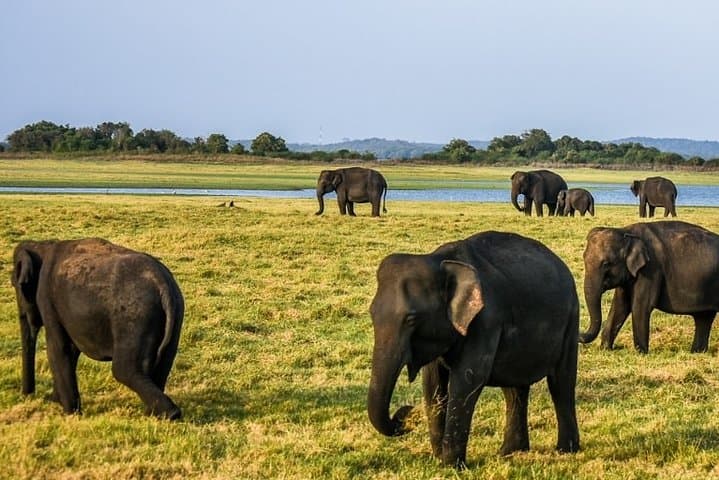
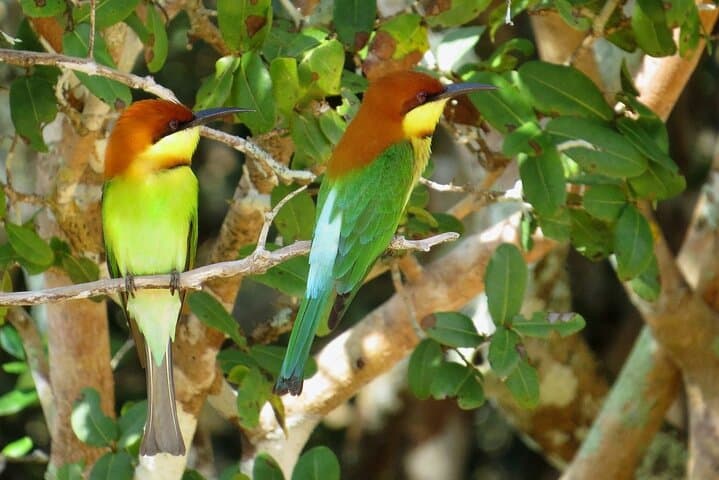
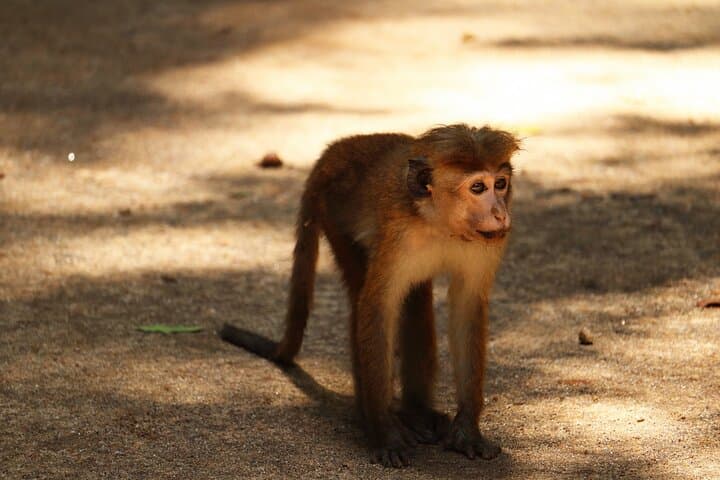
A private 3-hour jeep safari through Hurulu Eco Park puts you into Sri Lanka’s dry-zone elephant country at peak viewing times. Expect close encounters with migrating elephants, dry-forest birds, and the odd elusive small mammal.
A private 3-hour jeep safari through Hurulu Eco Park puts you into Sri Lanka’s dry-zone elephant country at peak viewing times. Expect close encounters with migrating elephants, dry-forest birds, and the odd elusive small mammal.
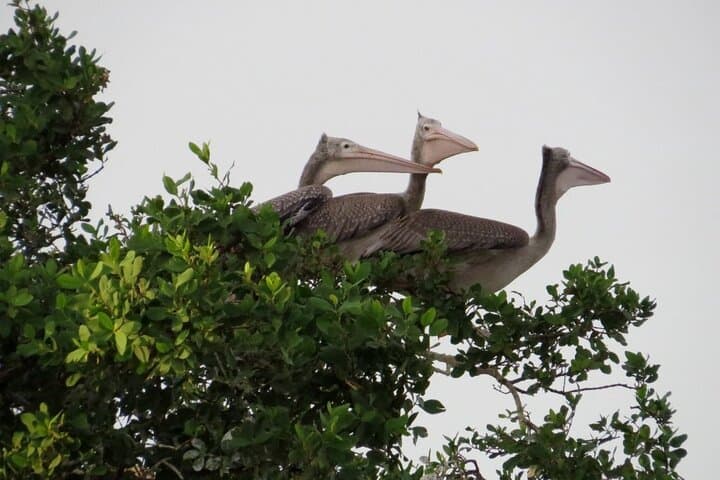
Dawn mist lifts from the dry forest and the jeep crunches along a sandy track—acacia and dry-zone trees lean close, as if watching. The Hurulu Eco Park section of the Hurulu Forest Reserve opens like a stage for wildlife: tall grass whispers, birds punctuate the hush, and large, migrating elephants move like slow weather across the plains.
Verified experiences and guided adventures in the surrounding area.
Operated by Travceylon Leisure · Anuradhapura, North Central Province
Dawn mist lifts from the dry forest and the jeep crunches along a sandy track—acacia and dry-zone trees lean close, as if watching. The Hurulu Eco Park section of the Hurulu Forest Reserve opens like a stage for wildlife: tall grass whispers, birds punctuate the hush, and large, migrating elephants move like slow weather across the plains.
Hurulu has been a UNESCO-recognized biosphere reserve since 1977. Geologically this is lowland dry-zone terrain—sandy soils, seasonal tanks (man-made reservoirs) and scrub that support migratory elephant routes. Culturally the park sits within Sri Lanka’s rice-growing heartland; nearby villages and irrigation tanks reflect centuries of human-land interaction and elephant movement.
On a 3-hour private jeep safari you’ll ride narrow forest lanes with a tracker at the front, timing your window for feeding and bathing elephants. Evening runs often increase sighting odds as animals move toward water. Expect mixed habitat: open grass patches, intermittent woodland, and waterholes that act like magnets for wildlife. Keep binoculars ready for junglefowl, tortoises, and small cats; stay patient—wildlife here follows its own clock.
Practical notes: wear long sleeves and neutral colors, bring insect repellent, and keep cameras ready with spare batteries. Respect distance from elephants and follow your tracker’s instructions—animals are wild and protective. Timing your visit for late afternoon light helps with photography and animal activity. With a private 4x4, short transfers, and included entrance tickets, the safari is straightforward—yet the forest can still surprise you.
easy.
3 hours.
Suitable for most fitness levels; sitting in a jeep with occasional short climbs or steps to enter/exit.
Very likely—Hurulu is on elephant migratory routes and sightings on morning or evening safaris are common, though always subject to natural movement.
Yes—runs are gentle and the jeep is accessible, but inform operators of mobility issues; the tour is not recommended for pregnant travelers or those with serious spine/heart problems.
Private 4x4 jeep for up to six, entrance tickets, a tracker/driver, and a water bottle per person; pickup within 5 km of the park gate is usually provided.
Late afternoon/evening generally offers better elephant activity and softer light for photography, though mornings can also be productive.
Hurulu has been managed as a biosphere reserve since 1977 and sits within Sri Lanka’s ancient dry-zone agricultural landscape, where traditional tanks and seasonal grazing shape animal movement.
Human–elephant conflict and habitat fragmentation are ongoing issues; choose licensed guides and keep to established tracks to reduce disturbance.
Travceylon Leisure operates guided outdoor trips and adventures with an emphasis on safety, stewardship, and memorable experiences.
Dawn mist lifts from the dry forest and the jeep crunches along a sandy track—acacia and dry-zone trees lean close, as if watching. The Hurulu Eco Park section of the Hurulu Forest Reserve opens like a stage for wildlife: tall grass whispers, birds punctuate the hush, and large, migrating elephants move like slow weather across the plains.
Dawn mist lifts from the dry forest and the jeep crunches along a sandy track—acacia and dry-zone trees lean close, as if watching. The Hurulu Eco Park section of the Hurulu Forest Reserve opens like a stage for wildlife: tall grass whispers, birds punctuate the hush, and large, migrating elephants move like slow weather across the plains.
Hurulu has been a UNESCO-recognized biosphere reserve since 1977. Geologically this is lowland dry-zone terrain—sandy soils, seasonal tanks (man-made reservoirs) and scrub that support migratory elephant routes. Culturally the park sits within Sri Lanka’s rice-growing heartland; nearby villages and irrigation tanks reflect centuries of human-land interaction and elephant movement.
On a 3-hour private jeep safari you’ll ride narrow forest lanes with a tracker at the front, timing your window for feeding and bathing elephants. Evening runs often increase sighting odds as animals move toward water. Expect mixed habitat: open grass patches, intermittent woodland, and waterholes that act like magnets for wildlife. Keep binoculars ready for junglefowl, tortoises, and small cats; stay patient—wildlife here follows its own clock.
Practical notes: wear long sleeves and neutral colors, bring insect repellent, and keep cameras ready with spare batteries. Respect distance from elephants and follow your tracker’s instructions—animals are wild and protective. Timing your visit for late afternoon light helps with photography and animal activity. With a private 4x4, short transfers, and included entrance tickets, the safari is straightforward—yet the forest can still surprise you.