THE ADVENTURE COLLECTIVE® · Independent discovery and booking for outdoor travel

Ride a working Alaska Railroad line from Talkeetna into the Indian River Valley, where the Hurricane Turn’s flagstop service lets you hop on or off in true backcountry fashion. Expect panoramic river corridors, a turnaround at Hurricane Gulch, and a taste of authentic Alaskan rail culture.
Ride a working Alaska Railroad line from Talkeetna into the Indian River Valley, where the Hurricane Turn’s flagstop service lets you hop on or off in true backcountry fashion. Expect panoramic river corridors, a turnaround at Hurricane Gulch, and a taste of authentic Alaskan rail culture.
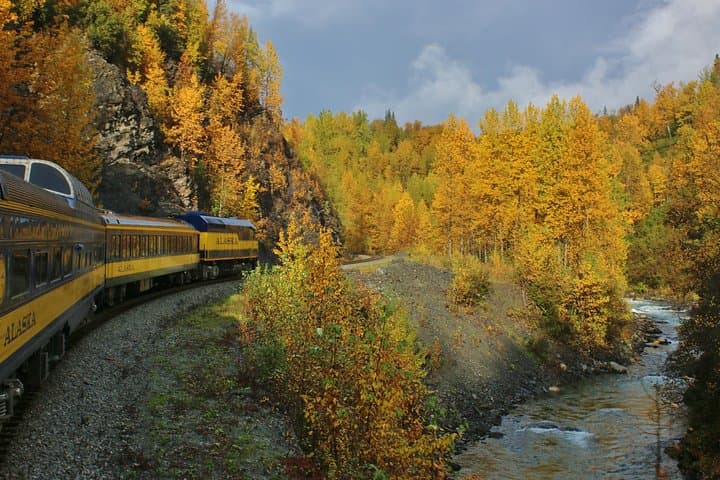
The whistle cuts through spruce-scented air as the Hurricane Turn eases out of Talkeetna, wheels clicking a steady measure against the rails. Windows frame braided rivers and wild, low ridgelines; the landscape seems to test your curiosity, offering flagstops where you can step off into backcountry solitude.
Verified experiences and guided adventures in the surrounding area.
Operated by Alaska Railroad Corporation · Talkeetna, Alaska
The whistle cuts through spruce-scented air as the Hurricane Turn eases out of Talkeetna, wheels clicking a steady measure against the rails. Windows frame braided rivers and wild, low ridgelines; the landscape seems to test your curiosity, offering flagstops where you can step off into backcountry solitude.
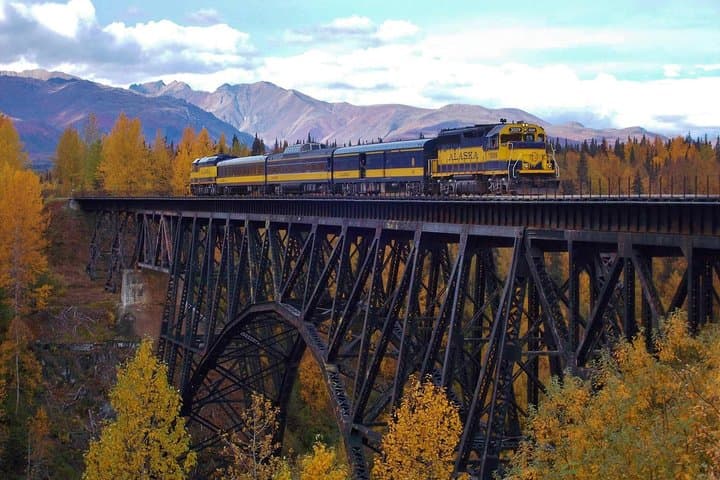
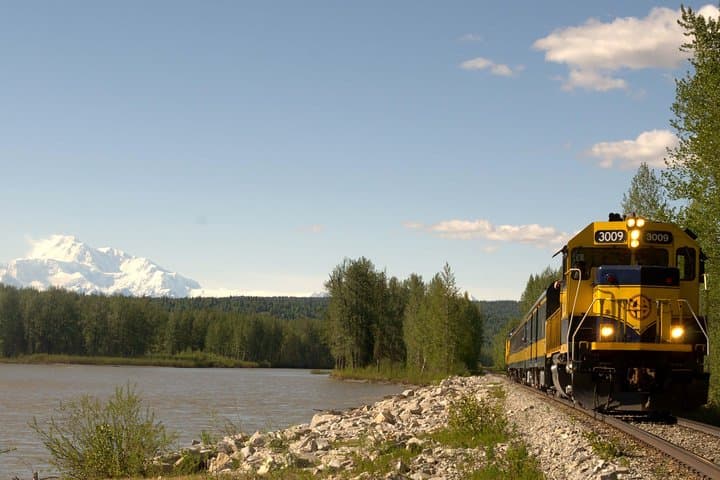
This is a living piece of Alaska Railroad history. Built to open the interior, the line has long served hunters, anglers and cabin owners; the Hurricane Turn keeps that tradition alive with on-demand stops through the Indian River Valley. Geology here is recent — glacially scoured valleys, gravel bars, and the deep cut at Hurricane Gulch where the bridge gives a panoramic turn-around view. On clear days, Denali punctures the horizon above the braided Susitna.
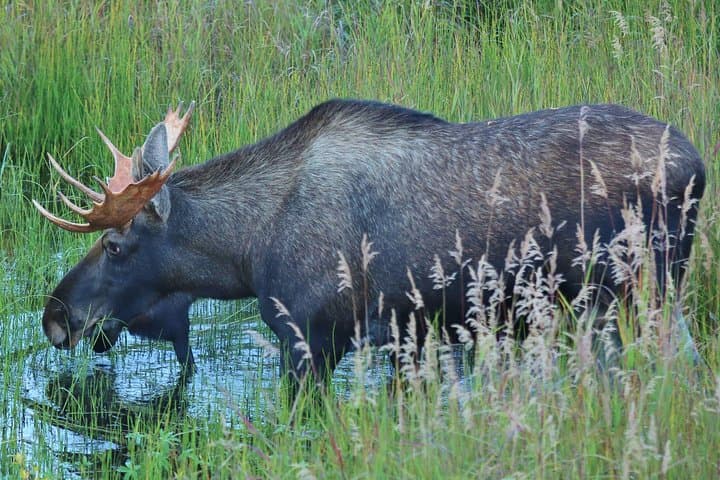
Culture along the route is pragmatic: small communities, subsistence camps, and a rail culture that values self-reliance. Locals use the flagstop for practical transport; visitors get a front-row seat to wildlife and river systems that push and reshape the valley each season.
Practical guidance: the round-trip departs Talkeetna mid-afternoon and returns in the evening (about 6–7 hours total). There’s no dining car — bring a packed meal and water. Seats are unreserved; arrive early for the best windows. Expect variable schedules; delays are common on freight-access lines. Baggage limits apply and certain items (hazardous fuels, unsecured firearms) are restricted. Dress in layers, bring binoculars, and plan for unpredictable weather. If you intend to flag down the train, research local landing spots ahead of time and leave a trip plan with someone in Talkeetna.
easy.
6–7 hours.
Minimal fitness required; able to board and walk short distances on uneven ground if using a flagstop.
Yes — the Hurricane Turn operates flagstops where passengers can board or disembark on request, but you should know local landing points and safety considerations beforehand.
No dining car is provided; passengers should bring snacks or a full meal. Talkeetna has several to-go options before departure.
Passengers are allowed checked baggage with limits; hazardous materials, certain fuels and unsecured firearms are prohibited and special handling fees apply for oversized items.
Alaska Railroad provides wheelchair lifts at stations and accessible cars, but local conditions and some flagstops may not be accessible—check in advance.
The Alaska Railroad opened interior passenger and freight routes in the early 20th century; the Hurricane Turn remains a practical lifeline for remote cabins and an enduring slice of rail culture.
The valley’s riparian zones are sensitive — pack out trash, avoid disturbing wildlife, and respect private cabins and subsistence areas.
Alaska Railroad Corporation operates guided outdoor trips and adventures with an emphasis on safety, stewardship, and memorable experiences.
The whistle cuts through spruce-scented air as the Hurricane Turn eases out of Talkeetna, wheels clicking a steady measure against the rails. Windows frame braided rivers and wild, low ridgelines; the landscape seems to test your curiosity, offering flagstops where you can step off into backcountry solitude.
The whistle cuts through spruce-scented air as the Hurricane Turn eases out of Talkeetna, wheels clicking a steady measure against the rails. Windows frame braided rivers and wild, low ridgelines; the landscape seems to test your curiosity, offering flagstops where you can step off into backcountry solitude.
This is a living piece of Alaska Railroad history. Built to open the interior, the line has long served hunters, anglers and cabin owners; the Hurricane Turn keeps that tradition alive with on-demand stops through the Indian River Valley. Geology here is recent — glacially scoured valleys, gravel bars, and the deep cut at Hurricane Gulch where the bridge gives a panoramic turn-around view. On clear days, Denali punctures the horizon above the braided Susitna.
Culture along the route is pragmatic: small communities, subsistence camps, and a rail culture that values self-reliance. Locals use the flagstop for practical transport; visitors get a front-row seat to wildlife and river systems that push and reshape the valley each season.
Practical guidance: the round-trip departs Talkeetna mid-afternoon and returns in the evening (about 6–7 hours total). There’s no dining car — bring a packed meal and water. Seats are unreserved; arrive early for the best windows. Expect variable schedules; delays are common on freight-access lines. Baggage limits apply and certain items (hazardous fuels, unsecured firearms) are restricted. Dress in layers, bring binoculars, and plan for unpredictable weather. If you intend to flag down the train, research local landing spots ahead of time and leave a trip plan with someone in Talkeetna.