
Hurghada to Luxor: Valley of the Kings Full-Day Tour
Travel across the Red Sea desert for a long, expert-led day in Luxor: explore the Valley of the Kings, Karnak, Hatshepsut’s temple and the Colossi of Memnon with an Egyptologist guide. Expect a full day of walking, rock-cut tombs, and intense sun.
An Adventure In Hurghada.
Travel across the Red Sea desert for a long, expert-led day in Luxor: explore the Valley of the Kings, Karnak, Hatshepsut’s temple and the Colossi of Memnon with an Egyptologist guide. Expect a full day of walking, rock-cut tombs, and intense sun.
Read the full experience
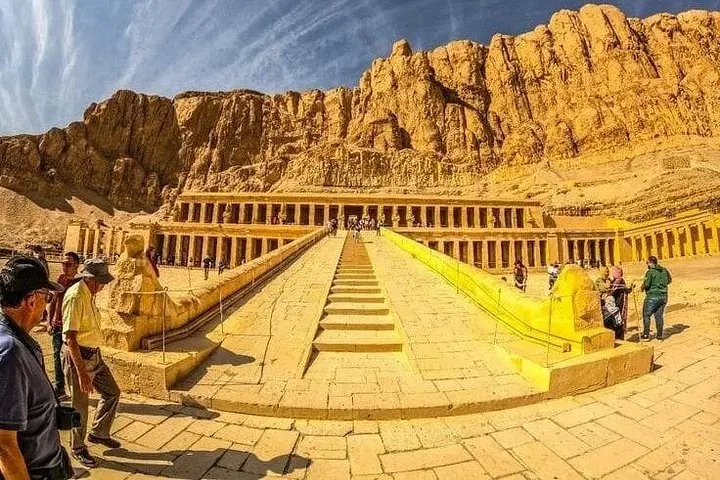
The bus eases away from Hurghada at dawn and the desert stretches like a hard, blank page toward Luxor; by midmorning the limestone cliffs of the West Bank rise from the sand and the first terraces of Deir el-Bahari come into view. Your guide—an Egyptologist—unfolds stories as you move: pharaohs who planned their final journeys here, artisans who painted scenes to ferry souls into the afterlife, and the hands that carved the monumental colossi that still face the plain.
The bus eases away from Hurghada at dawn and the desert stretches like a hard, blank page toward Luxor; by midmorning the limestone cliffs of the West Bank rise from the sand and the first terraces of Deir el-Bahari come into view. Your guide—an Egyptologist—unfolds stories as you move: pharaohs who planned their final journeys here, artisans who painted scenes to ferry souls into the afterlife, and the hands that carved the monumental colossi that still face the plain.
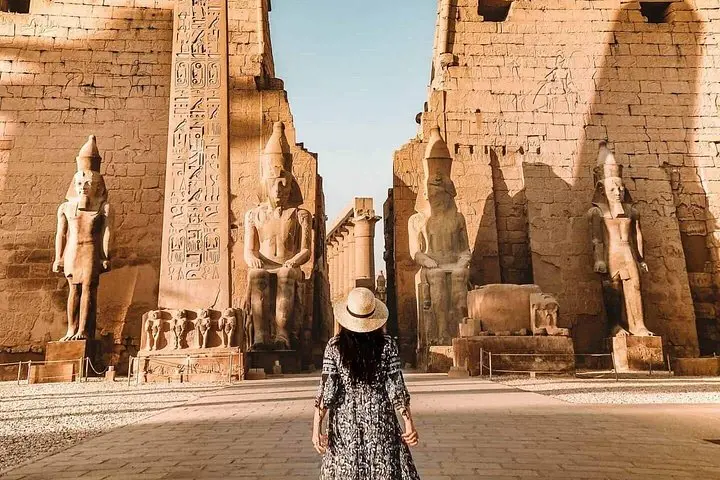
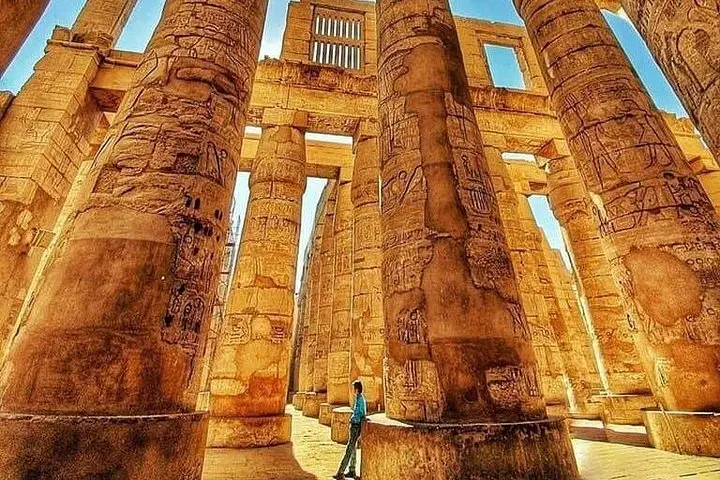
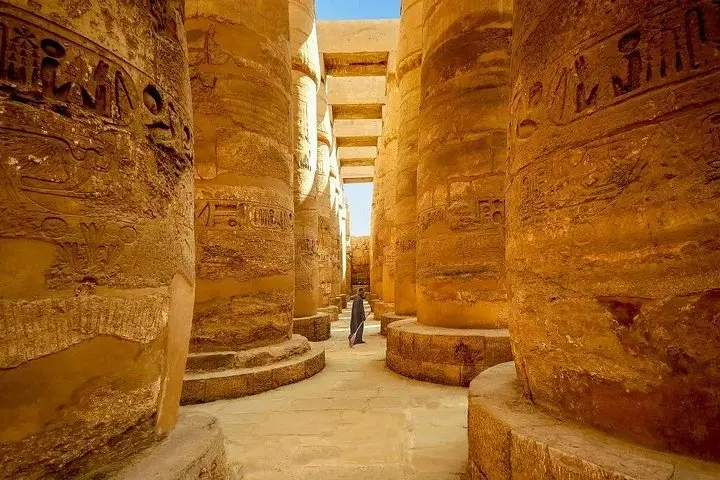
Geology here is honest and exposed: folded limestone cliffs worn into caves that became tombs, graves cut beneath heat-hardened rock. The Valley of the Kings is a New Kingdom necropolis where burial corridors hold vivid murals and hieroglyphs describing rituals and offerings. Nearby Karnak’s sandstone pylons and the Colossi of Memnon show later-scale ambitions; the Nile, patient and steady, feeds the fields east of the modern city.
Expect a long day—roughly 14–16 hours including roundtrip road time—walking between sites, climbing tomb stairways, and standing on exposed terraces. Temperatures can push hard in summer; shade is scarce and the sun demands respect. Practical notes: carry ID/passport for entrance checks, bring sunscreen, refillable water, and comfortable shoes with good grip for narrow, sandy steps. Timed tickets and select tomb closures mean the guide’s knowledge matters—listen for which tombs are included and when to move to avoid the hottest hours. This is archaeological theater outdoors: wear layers for early departures and slower evenings and let the desert and the River Nile set the pace.
Frequently asked questions
The transfer is roughly 3.5–4 hours each way depending on traffic and stops, making this a 14–16 hour day in total.
Standard tour fares typically include the main entrance tickets listed by the operator, but certain tombs (like Tutankhamun’s) may require extra on-site fees—confirm with the guide.
Photography rules vary by tomb—some prohibit flash or any photography; follow signs and your guide’s instructions to avoid fines or confiscation.
Many sites have steep stairways, narrow corridors and uneven surfaces; travelers with significant mobility limits may find access difficult.
About This Experience
Inter Fit Egypt tours operates guided outdoor trips and adventures with an emphasis on safety, stewardship, and memorable experiences.
Adventure tips
Recommended gear
- Wide-brim hat: Shades your face and neck from intense sun during open-air site visits.
- Sturdy walking shoes: Provide traction on sandy approaches and uneven tomb steps.
- Refillable water bottle (1–2L): Hydration is critical during the long bus ride and exposed site visits.
- Passport and photocopy: Required for ticket checks and sometimes for entry to certain tombs.
Photos of the experience
Related adventures & guides
Read the full experience
The bus eases away from Hurghada at dawn and the desert stretches like a hard, blank page toward Luxor; by midmorning the limestone cliffs of the West Bank rise from the sand and the first terraces of Deir el-Bahari come into view. Your guide—an Egyptologist—unfolds stories as you move: pharaohs who planned their final journeys here, artisans who painted scenes to ferry souls into the afterlife, and the hands that carved the monumental colossi that still face the plain.
The bus eases away from Hurghada at dawn and the desert stretches like a hard, blank page toward Luxor; by midmorning the limestone cliffs of the West Bank rise from the sand and the first terraces of Deir el-Bahari come into view. Your guide—an Egyptologist—unfolds stories as you move: pharaohs who planned their final journeys here, artisans who painted scenes to ferry souls into the afterlife, and the hands that carved the monumental colossi that still face the plain.
Geology here is honest and exposed: folded limestone cliffs worn into caves that became tombs, graves cut beneath heat-hardened rock. The Valley of the Kings is a New Kingdom necropolis where burial corridors hold vivid murals and hieroglyphs describing rituals and offerings. Nearby Karnak’s sandstone pylons and the Colossi of Memnon show later-scale ambitions; the Nile, patient and steady, feeds the fields east of the modern city.
Expect a long day—roughly 14–16 hours including roundtrip road time—walking between sites, climbing tomb stairways, and standing on exposed terraces. Temperatures can push hard in summer; shade is scarce and the sun demands respect. Practical notes: carry ID/passport for entrance checks, bring sunscreen, refillable water, and comfortable shoes with good grip for narrow, sandy steps. Timed tickets and select tomb closures mean the guide’s knowledge matters—listen for which tombs are included and when to move to avoid the hottest hours. This is archaeological theater outdoors: wear layers for early departures and slower evenings and let the desert and the River Nile set the pace.
Make a day of it nearby.
Verified experiences and guided adventures in the surrounding area.