THE ADVENTURE COLLECTIVE® · Independent discovery and booking for outdoor travel

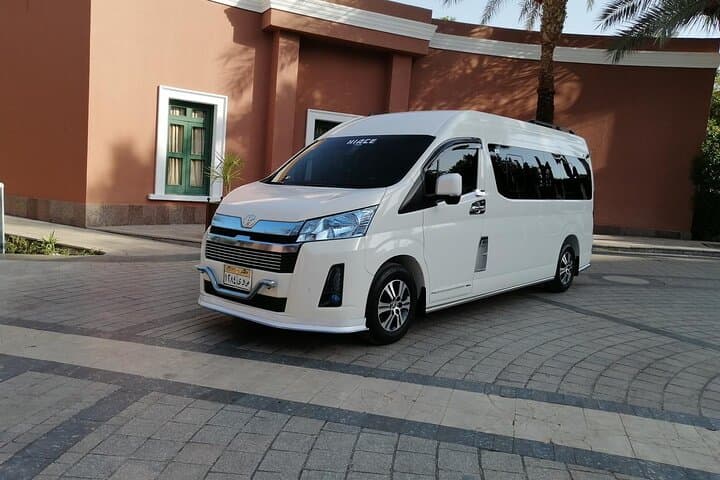
A private, one‑way transfer from Hurghada to Luxor that pairs a comfortable 4‑hour drive with visits to Karnak and Luxor Temples. Ideal for travelers who want efficient travel plus flexible, guided or independent exploration of Thebes’ greatest monuments.
A private, one‑way transfer from Hurghada to Luxor that pairs a comfortable 4‑hour drive with visits to Karnak and Luxor Temples. Ideal for travelers who want efficient travel plus flexible, guided or independent exploration of Thebes’ greatest monuments.
You leave the Red Sea’s heat behind and watch the landscape shift: scrubby desert folds into the broad, irrigated ribbon of the Nile valley, palms edging the road as the city of Luxor appears on the horizon.
Verified experiences and guided adventures in the surrounding area.
Operated by Eyes of Egypt · Luxor, Luxor Governorate
You leave the Red Sea’s heat behind and watch the landscape shift: scrubby desert folds into the broad, irrigated ribbon of the Nile valley, palms edging the road as the city of Luxor appears on the horizon.
This private transfer pairs a comfortable, air‑conditioned four‑hour drive from Hurghada with guided or independent visits to two cornerstone sites of ancient Thebes: Karnak Temple and Luxor Temple. Karnak is an architectural maze of pylons and a hypostyle hall whose columns rise like a stone forest; expect to walk roughly 1–2 km there on uneven, sandy surfaces. Luxor Temple sits closer to the modern city center and rewards an evening visit when floodlighting highlights its reliefs and avenues.
Geology here is simple — limestone and sandstone carved and rebuilt over millennia — but cultural depth is not: this axis was the ceremonial heart of pharaonic power for thousands of years. Local life still revolves around the Nile’s rhythms; vendors, feluccas, and mosque calls form a living backdrop to the ruins.
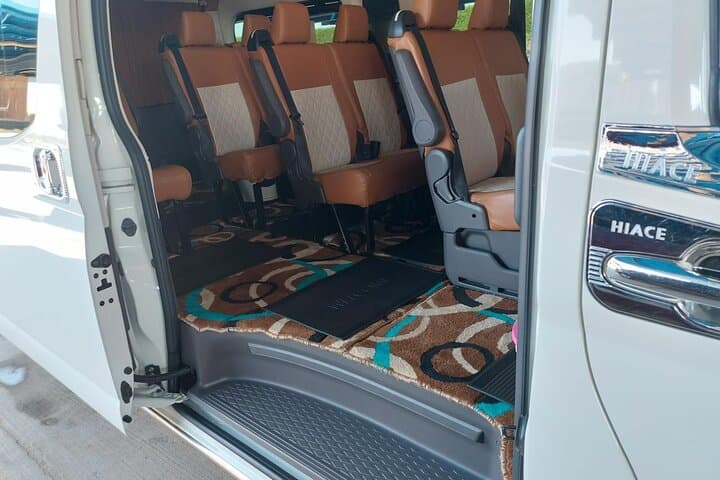
Practicalities: the drive is about 4–4.5 hours with short rest stops. Admission tickets to monuments are typically purchased on arrival; an optional Egyptologist guide can be arranged during booking. Wear sturdy, closed-toe shoes for rough stone, carry 2–3 liters of water, sun protection, and small Egyptian pounds for entry and tips. If you prefer cooler light and smaller crowds, schedule Karnak for early morning and Luxor Temple at dusk. The provider offers wheelchair‑accessible vehicles and hotel drop‑off in Luxor — a straightforward way to combine travel and a concentrated cultural introduction to Upper Egypt.
easy.
6–7 hours.
Suitable for most fitness levels; involves moderate walking on uneven surfaces and short periods standing
The drive typically takes about 4 to 4.5 hours door-to-door, including short rest stops along the route.
Admission is not included by default; tickets are usually purchased on arrival unless specified otherwise when booking.
Yes — an optional Egyptologist guide is available if selected at booking for deeper historical context during site visits.
Yes — the operator notes wheelchair‑accessible transport and assistance options; notify special requirements when booking to confirm arrangements.
Karnak and Luxor formed the ceremonial core of ancient Thebes, where pharaohs built monumental temples across successive dynasties to assert religious and political authority.
Sites face erosion from tourism and environment; stick to marked paths, avoid touching reliefs, and support licensed guides and local conservation fees where required.
Eyes of Egypt operates guided outdoor trips and adventures with an emphasis on safety, stewardship, and memorable experiences.


You leave the Red Sea’s heat behind and watch the landscape shift: scrubby desert folds into the broad, irrigated ribbon of the Nile valley, palms edging the road as the city of Luxor appears on the horizon.
You leave the Red Sea’s heat behind and watch the landscape shift: scrubby desert folds into the broad, irrigated ribbon of the Nile valley, palms edging the road as the city of Luxor appears on the horizon.
This private transfer pairs a comfortable, air‑conditioned four‑hour drive from Hurghada with guided or independent visits to two cornerstone sites of ancient Thebes: Karnak Temple and Luxor Temple. Karnak is an architectural maze of pylons and a hypostyle hall whose columns rise like a stone forest; expect to walk roughly 1–2 km there on uneven, sandy surfaces. Luxor Temple sits closer to the modern city center and rewards an evening visit when floodlighting highlights its reliefs and avenues.
Geology here is simple — limestone and sandstone carved and rebuilt over millennia — but cultural depth is not: this axis was the ceremonial heart of pharaonic power for thousands of years. Local life still revolves around the Nile’s rhythms; vendors, feluccas, and mosque calls form a living backdrop to the ruins.
Practicalities: the drive is about 4–4.5 hours with short rest stops. Admission tickets to monuments are typically purchased on arrival; an optional Egyptologist guide can be arranged during booking. Wear sturdy, closed-toe shoes for rough stone, carry 2–3 liters of water, sun protection, and small Egyptian pounds for entry and tips. If you prefer cooler light and smaller crowds, schedule Karnak for early morning and Luxor Temple at dusk. The provider offers wheelchair‑accessible vehicles and hotel drop‑off in Luxor — a straightforward way to combine travel and a concentrated cultural introduction to Upper Egypt.