THE ADVENTURE COLLECTIVE® · Independent discovery and booking for outdoor travel

Fly from Hurghada for a long day among Egypt’s earliest monumental works: the Bent and Red Pyramids at Dahshur, then the Step Pyramid of Saqqara and the open-air museum at Memphis. Expect airport transfers, short walks on uneven ground, and commanding glimpses of Old Kingdom engineering.
Fly from Hurghada for a long day among Egypt’s earliest monumental works: the Bent and Red Pyramids at Dahshur, then the Step Pyramid of Saqqara and the open-air museum at Memphis. Expect airport transfers, short walks on uneven ground, and commanding glimpses of Old Kingdom engineering.
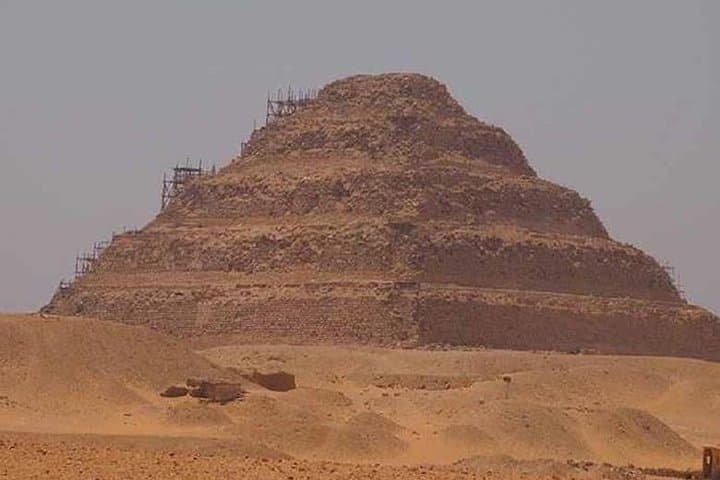
You step off the early flight into Cairo's low winter light and, within an hour, the desert opens like a map folded flat — ochre sand, isolated palms, pyramids rising as deliberate interruptions. At Dahshur the Bent Pyramid tilts mid-build, its changing angles tracing an architectural experiment by Pharaoh Sneferu. Nearby the Red Pyramid offers a quieter, lower silhouette that still demands attention.
Verified experiences and guided adventures in the surrounding area.
Operated by Book Tour Egypt · Dahshur, Giza Governorate
You step off the early flight into Cairo's low winter light and, within an hour, the desert opens like a map folded flat — ochre sand, isolated palms, pyramids rising as deliberate interruptions. At Dahshur the Bent Pyramid tilts mid-build, its changing angles tracing an architectural experiment by Pharaoh Sneferu. Nearby the Red Pyramid offers a quieter, lower silhouette that still demands attention.
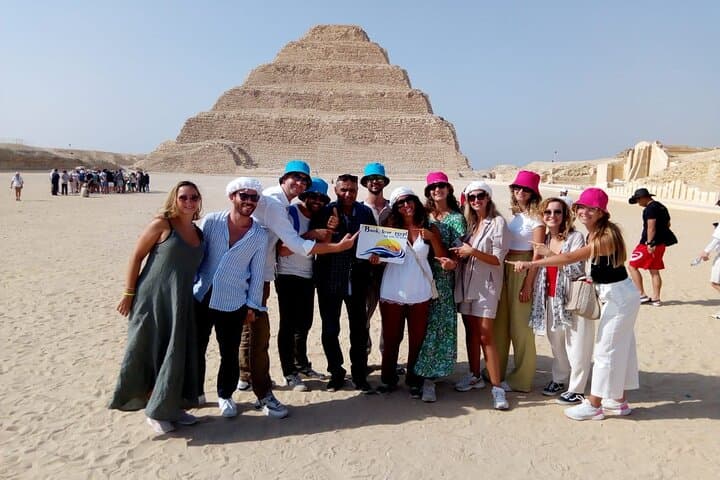
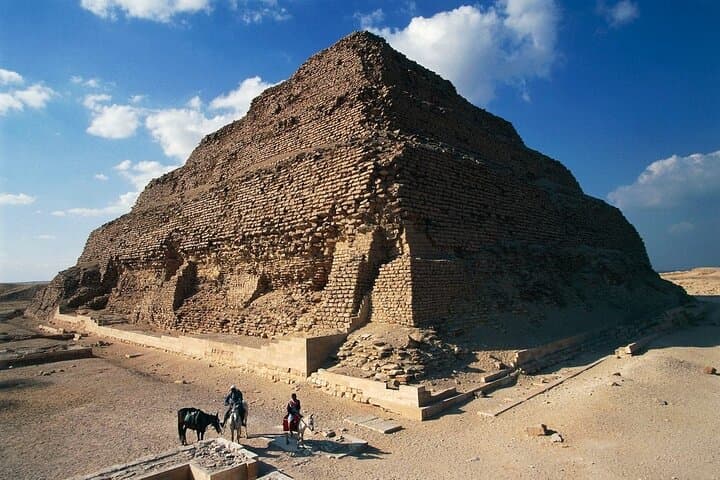
Saqqara belongs to a different chapter: limestone platforms, the stepped outline of Djoser’s tomb, and rows of burial shafts where Memphis once administered the Nile’s wealth. Geologically the area sits on sedimentary limestone and sandstone; wind and sand abrade exposed blocks, revealing construction choices and quarry scars.
Culturally, these sites are where Old Kingdom ambition met practical engineering — from the evolution of burial chambers to the alabaster carving tradition visible in Memphis’s sphinx and Ramses II statue. Local guides bring dry humor and context: dynasties measured in building styles and funerary rites.
Practical guidance: expect a long day with airport transfers and short, uneven walks between monuments. Wear sturdy shoes for loose gravel and limestone terraces. Hydrate often; the desert sun punishes lapses quickly. Carry small local currency for restroom facilities and vendor snacks. Respect onsite rules — no climbing, minimal flash photography in enclosed tombs, and follow your guide’s path to preserve fragile surfaces.
Timing matters: morning light is best for photos at Dahshur; late afternoon softens Saqqara’s relief. The trip balances historical immersion and logistical rhythm — a full, revealing day that brings Egypt’s long stone conversation to life.
moderate.
18 hours (full-day).
Suitable for travelers who can handle several short walks (up to 2–3 km total) over uneven ground and long travel days.
You must carry a valid passport and any required visas for Egypt; check entry requirements before travel and bring a photocopy for guides.
Entrance tickets are included if the selected option specifies them; confirm at booking and keep receipts for any onsite payments.
The itinerary is a long, full-day schedule: expect guided stops at Dahshur and Saqqara with limited free time for photography and rest.
The tour involves short walks on uneven surfaces and steps; it’s not wheelchair accessible and may be difficult for those with restricted mobility.
Dahshur records Sneferu’s experiments in pyramid construction while Saqqara preserves the Step Pyramid of Djoser — early milestones in Egypt’s Old Kingdom funerary architecture.
These monuments are fragile; stick to marked paths, avoid touching masonry, and support licensed guides to help protect and interpret the sites.
Book Tour Egypt operates guided outdoor trips and adventures with an emphasis on safety, stewardship, and memorable experiences.
You step off the early flight into Cairo's low winter light and, within an hour, the desert opens like a map folded flat — ochre sand, isolated palms, pyramids rising as deliberate interruptions. At Dahshur the Bent Pyramid tilts mid-build, its changing angles tracing an architectural experiment by Pharaoh Sneferu. Nearby the Red Pyramid offers a quieter, lower silhouette that still demands attention.
You step off the early flight into Cairo's low winter light and, within an hour, the desert opens like a map folded flat — ochre sand, isolated palms, pyramids rising as deliberate interruptions. At Dahshur the Bent Pyramid tilts mid-build, its changing angles tracing an architectural experiment by Pharaoh Sneferu. Nearby the Red Pyramid offers a quieter, lower silhouette that still demands attention.
Saqqara belongs to a different chapter: limestone platforms, the stepped outline of Djoser’s tomb, and rows of burial shafts where Memphis once administered the Nile’s wealth. Geologically the area sits on sedimentary limestone and sandstone; wind and sand abrade exposed blocks, revealing construction choices and quarry scars.
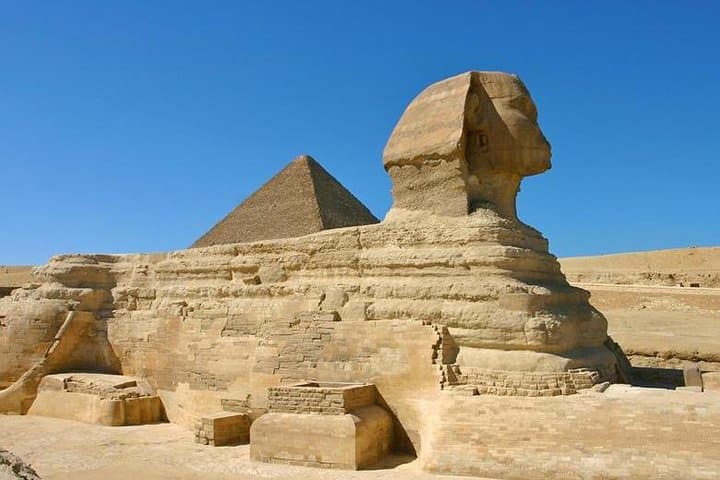
Culturally, these sites are where Old Kingdom ambition met practical engineering — from the evolution of burial chambers to the alabaster carving tradition visible in Memphis’s sphinx and Ramses II statue. Local guides bring dry humor and context: dynasties measured in building styles and funerary rites.
Practical guidance: expect a long day with airport transfers and short, uneven walks between monuments. Wear sturdy shoes for loose gravel and limestone terraces. Hydrate often; the desert sun punishes lapses quickly. Carry small local currency for restroom facilities and vendor snacks. Respect onsite rules — no climbing, minimal flash photography in enclosed tombs, and follow your guide’s path to preserve fragile surfaces.
Timing matters: morning light is best for photos at Dahshur; late afternoon softens Saqqara’s relief. The trip balances historical immersion and logistical rhythm — a full, revealing day that brings Egypt’s long stone conversation to life.