THE ADVENTURE COLLECTIVE® · Independent discovery and booking for outdoor travel

Leave Hurghada before dawn for a full-day, small-group run to Cairo’s biggest draws: the Egyptian Museum, the Great Pyramids of Giza and the Sphinx. Expect a long convoyed drive, on-site guiding, lunch and a tightly scheduled but immersive cultural day.
Leave Hurghada before dawn for a full-day, small-group run to Cairo’s biggest draws: the Egyptian Museum, the Great Pyramids of Giza and the Sphinx. Expect a long convoyed drive, on-site guiding, lunch and a tightly scheduled but immersive cultural day.
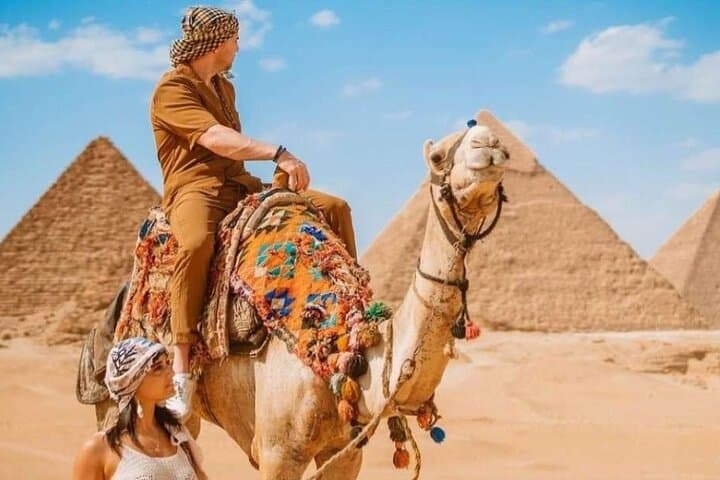
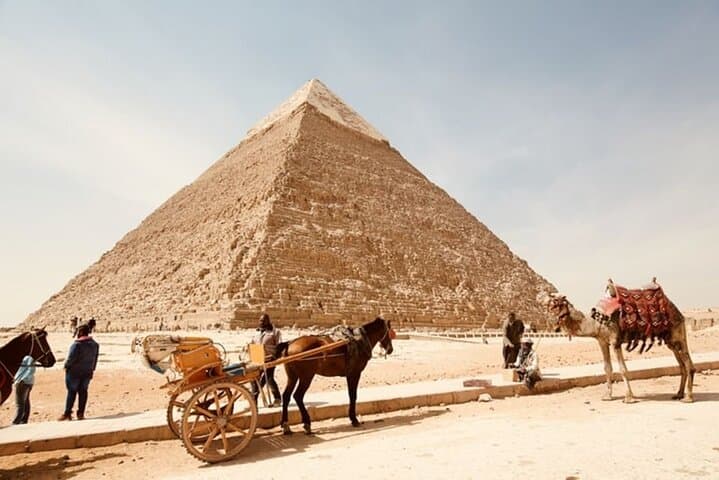
You wake before dawn in Hurghada and load into an air-conditioned coach while the desert still holds its cool. Headlamps and sleepy conversations fade as the highway becomes a ribbon across low scrub; police escort vehicles thread the convoy toward the widening silhouette of Cairo. By mid-morning the Giza plateau rises like an abrupt geometry of stone: the Great Pyramid’s massive faces meet the sky and the Sphinx stares toward the Nile.
Verified experiences and guided adventures in the surrounding area.
Operated by Arabian Reisen · Giza, Cairo Governorate
You wake before dawn in Hurghada and load into an air-conditioned coach while the desert still holds its cool. Headlamps and sleepy conversations fade as the highway becomes a ribbon across low scrub; police escort vehicles thread the convoy toward the widening silhouette of Cairo. By mid-morning the Giza plateau rises like an abrupt geometry of stone: the Great Pyramid’s massive faces meet the sky and the Sphinx stares toward the Nile.
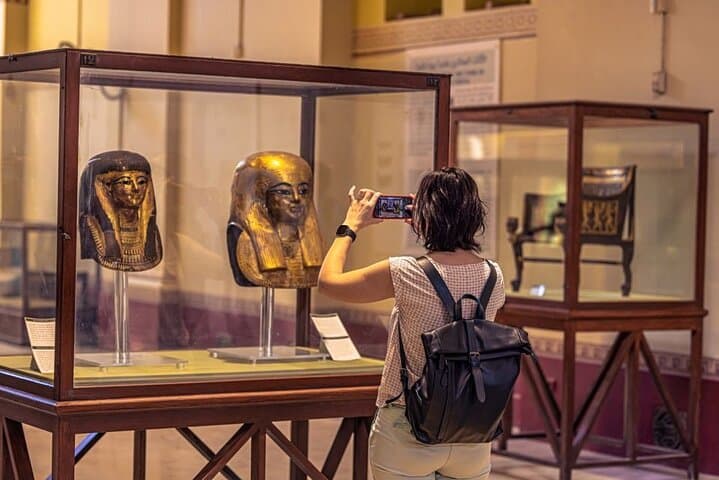
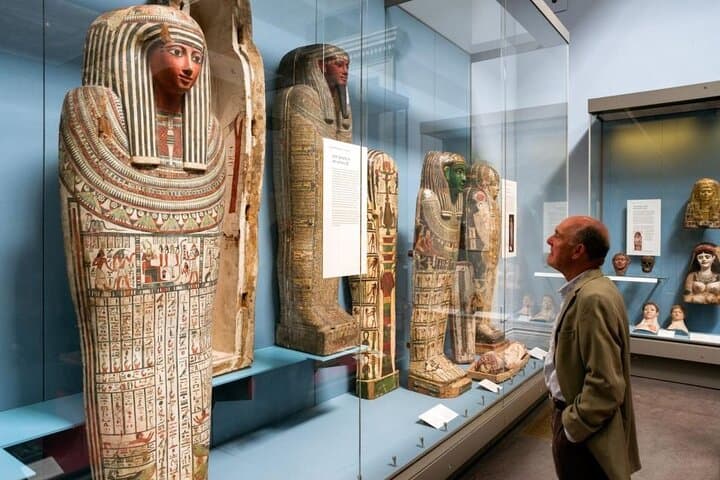
This trip stitches modern Egypt to its pharaonic past. The plateau sits on Late Cretaceous limestone; quarry scars and the casing-stone remnants hint at ancient engineering choices. The Egyptian Museum downtown houses over 120,000 objects—Tutankhamun’s gold draws most eyes—while the pyramids and Sphinx speak to burial practices, state organization, and millennia of desert weathering. Local vendors, papyrus workshops and small cafés around the sites reflect living crafts and a bargaining culture that grew up alongside tourism.
Practicalities shape the day: expect a 1:00 a.m. hotel pickup from Hurghada, a convoyed 6–8 hour drive one-way, guided time at the Egyptian Museum, then 2–3 hours on the Giza plateau including the Sphinx and surrounding temples. Lunch and a brief Nile boat option are usually included; optional stops at papyrus or essential oil workshops depend on timing.
Bring a passport and photocopy, sun protection, a comfortable pair of closed-toe shoes for uneven stone and sand, and cash for small purchases and tips. The day is long but structured—plan for hydration, modest clothing in religious or museum contexts, and patience for traffic and security checks if you want to see Egypt’s landmarks in a single, intense day.
easy.
17–19 hours.
Minimal fitness required for walking on uneven surfaces; be prepared for long coach travel and standing at sites.
One-way convoyed travel typically takes 6–8 hours depending on traffic and police escort procedures, making the entire day 17–19 hours including site time.
This tour includes admission to the Egyptian Museum and Giza sites per the itinerary, but optional activities and certain pyramid interior access may cost extra on site.
Some sites and transport are wheelchair accessible, but uneven surfaces on the plateau and lengthy transfers can be challenging; check accessibility details with the operator before booking.
Lightweight, modest clothing is recommended—covering shoulders and knees is respectful in some settings—and wear comfortable shoes for walking on stone and sand.
The Giza pyramids date to Egypt’s Fourth Dynasty (c. 2600–2500 BCE) and reflect royal burial architecture; the Egyptian Museum collects artifacts spanning millennia including Tutankhamun’s funerary trove.
High visitor numbers and desert erosion affect the plateau; stick to marked paths, avoid touching vulnerable stone, and limit single-use plastic to reduce impact.
Arabian Reisen operates guided outdoor trips and adventures with an emphasis on safety, stewardship, and memorable experiences.
You wake before dawn in Hurghada and load into an air-conditioned coach while the desert still holds its cool. Headlamps and sleepy conversations fade as the highway becomes a ribbon across low scrub; police escort vehicles thread the convoy toward the widening silhouette of Cairo. By mid-morning the Giza plateau rises like an abrupt geometry of stone: the Great Pyramid’s massive faces meet the sky and the Sphinx stares toward the Nile.
You wake before dawn in Hurghada and load into an air-conditioned coach while the desert still holds its cool. Headlamps and sleepy conversations fade as the highway becomes a ribbon across low scrub; police escort vehicles thread the convoy toward the widening silhouette of Cairo. By mid-morning the Giza plateau rises like an abrupt geometry of stone: the Great Pyramid’s massive faces meet the sky and the Sphinx stares toward the Nile.
This trip stitches modern Egypt to its pharaonic past. The plateau sits on Late Cretaceous limestone; quarry scars and the casing-stone remnants hint at ancient engineering choices. The Egyptian Museum downtown houses over 120,000 objects—Tutankhamun’s gold draws most eyes—while the pyramids and Sphinx speak to burial practices, state organization, and millennia of desert weathering. Local vendors, papyrus workshops and small cafés around the sites reflect living crafts and a bargaining culture that grew up alongside tourism.
Practicalities shape the day: expect a 1:00 a.m. hotel pickup from Hurghada, a convoyed 6–8 hour drive one-way, guided time at the Egyptian Museum, then 2–3 hours on the Giza plateau including the Sphinx and surrounding temples. Lunch and a brief Nile boat option are usually included; optional stops at papyrus or essential oil workshops depend on timing.
Bring a passport and photocopy, sun protection, a comfortable pair of closed-toe shoes for uneven stone and sand, and cash for small purchases and tips. The day is long but structured—plan for hydration, modest clothing in religious or museum contexts, and patience for traffic and security checks if you want to see Egypt’s landmarks in a single, intense day.