THE ADVENTURE COLLECTIVE® · Independent discovery and booking for outdoor travel

Leave Hurghada before dawn for a private, full-day journey to Cairo’s most iconic sites. Visit the Pyramids of Giza and the Sphinx, cross the Nile to the Egyptian Museum, and return the same day — a long but efficient way to see Egypt’s highlights.
Leave Hurghada before dawn for a private, full-day journey to Cairo’s most iconic sites. Visit the Pyramids of Giza and the Sphinx, cross the Nile to the Egyptian Museum, and return the same day — a long but efficient way to see Egypt’s highlights.
The day begins before dawn: a 3:00 am pickup in Hurghada, headlights slicing through desert cool as the road unfurls toward Cairo. You watch the horizon lighten, the sand take on a soft bronze, and by the time the plateau appears the sun is already testing the stones of Giza.
Verified experiences and guided adventures in the surrounding area.
Operated by Egypt Tours Travel · Cairo, Cairo Governorate
The day begins before dawn: a 3:00 am pickup in Hurghada, headlights slicing through desert cool as the road unfurls toward Cairo. You watch the horizon lighten, the sand take on a soft bronze, and by the time the plateau appears the sun is already testing the stones of Giza.
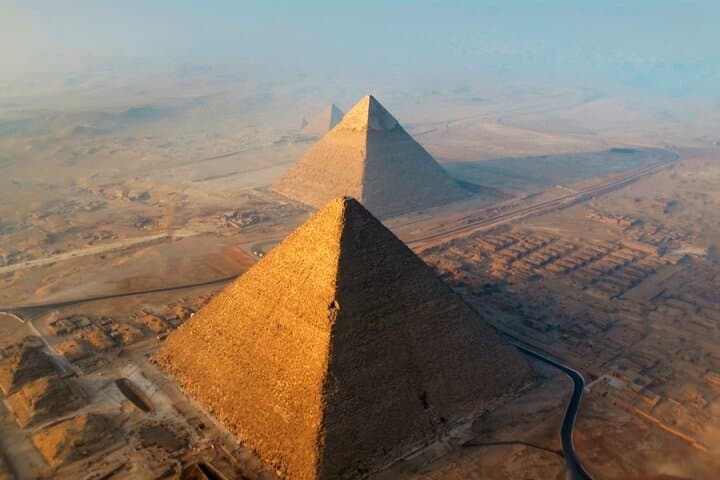
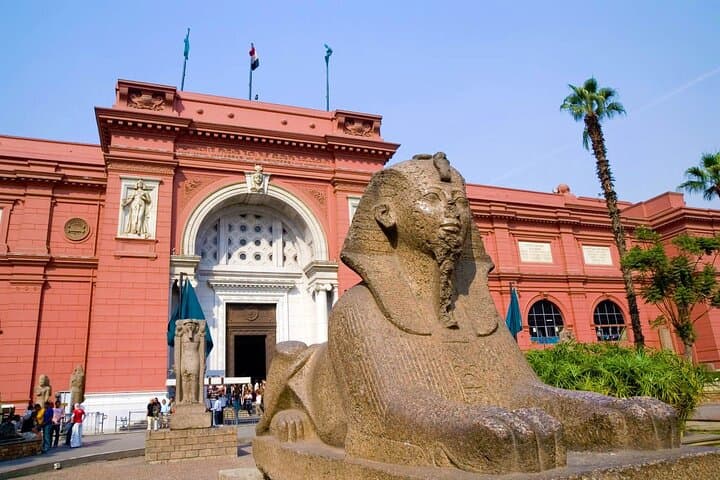
At the Pyramids of Giza the scale becomes immediate — Khufu’s Great Pyramid rises like engineered silence, its limestone casing long gone but its intent intact. Nearby, the Sphinx stares eastward, wind-polished and enigmatic. Cross the Nile later to enter the Egyptian Museum, where gilded objects from Tutankhamun’s tomb sit under careful light and the accumulated craftsmanship of dynasties fills the rooms.
Geology and history are close companions here: the local limestone and bedrock made monumental building practical, and the Nile’s annual rhythms funded the labor over millennia. Culture remains audible — the call to prayer, street vendors’ shouts, and the steady current of tourism that keeps local guides and restaurateurs busy.
Practical guidance: this is a long, full day — expect about 15–16 hours door-to-door and roughly 450 km each way. Bring your passport (required for some museum entries), sun protection, comfortable walking shoes, and layered clothing for temperature swings between vehicle, desert sun, and air-conditioned interiors. Photography is generally allowed at the Giza plateau but respect restricted zones and staff directions. Tipping is customary for guides and drivers.
This private itinerary compresses Egypt’s deep past into a single, strenuous day: plan for fatigue, hydrate aggressively, and allow space for the moments that slow time in front of ancient stone.
easy.
15–16 hours.
Suitable for travelers in normal physical condition who can tolerate long vehicle transfers and multiple short walks over uneven surfaces.
The drive is approximately 450 km (about 4.5–5 hours) each way depending on traffic and stops, making this a 15–16 hour day overall.
This tour lists admissions to the mentioned attractions as included, but always confirm at booking and keep your confirmation accessible.
The itinerary is labeled accessible and easy in physical demand, but the day is very long; infants may be required to sit on laps and some outdoor areas have uneven terrain.
Pickup typically begins around 3:00 am in Hurghada with return to your hotel late in the evening; exact times are provided at booking and can vary by season.
Khufu’s Great Pyramid dates to around 2560 BCE and remained the tallest man-made structure for millennia; the Egyptian Museum holds Tutankhamun’s funerary treasures discovered in 1922.
High visitor numbers accelerate wear; avoid climbing monuments, follow designated paths, and support local conservation by using licensed guides and responsible tour operators.
Egypt Tours Travel operates guided outdoor trips and adventures with an emphasis on safety, stewardship, and memorable experiences.


The day begins before dawn: a 3:00 am pickup in Hurghada, headlights slicing through desert cool as the road unfurls toward Cairo. You watch the horizon lighten, the sand take on a soft bronze, and by the time the plateau appears the sun is already testing the stones of Giza.
The day begins before dawn: a 3:00 am pickup in Hurghada, headlights slicing through desert cool as the road unfurls toward Cairo. You watch the horizon lighten, the sand take on a soft bronze, and by the time the plateau appears the sun is already testing the stones of Giza.
At the Pyramids of Giza the scale becomes immediate — Khufu’s Great Pyramid rises like engineered silence, its limestone casing long gone but its intent intact. Nearby, the Sphinx stares eastward, wind-polished and enigmatic. Cross the Nile later to enter the Egyptian Museum, where gilded objects from Tutankhamun’s tomb sit under careful light and the accumulated craftsmanship of dynasties fills the rooms.
Geology and history are close companions here: the local limestone and bedrock made monumental building practical, and the Nile’s annual rhythms funded the labor over millennia. Culture remains audible — the call to prayer, street vendors’ shouts, and the steady current of tourism that keeps local guides and restaurateurs busy.
Practical guidance: this is a long, full day — expect about 15–16 hours door-to-door and roughly 450 km each way. Bring your passport (required for some museum entries), sun protection, comfortable walking shoes, and layered clothing for temperature swings between vehicle, desert sun, and air-conditioned interiors. Photography is generally allowed at the Giza plateau but respect restricted zones and staff directions. Tipping is customary for guides and drivers.
This private itinerary compresses Egypt’s deep past into a single, strenuous day: plan for fatigue, hydrate aggressively, and allow space for the moments that slow time in front of ancient stone.