THE ADVENTURE COLLECTIVE® · Independent discovery and booking for outdoor travel

See the Giza pyramids, the Egyptian Museum and Cairo’s Khan El Khalili, then fly to Luxor to explore the Valley of the Kings and Karnak—all in two private days from Hurghada. This compact itinerary maximizes monuments while keeping travel private and efficient.
See the Giza pyramids, the Egyptian Museum and Cairo’s Khan El Khalili, then fly to Luxor to explore the Valley of the Kings and Karnak—all in two private days from Hurghada. This compact itinerary maximizes monuments while keeping travel private and efficient.
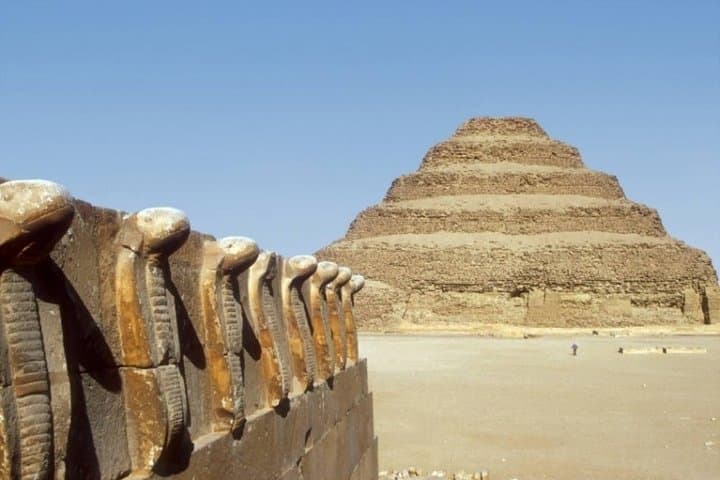
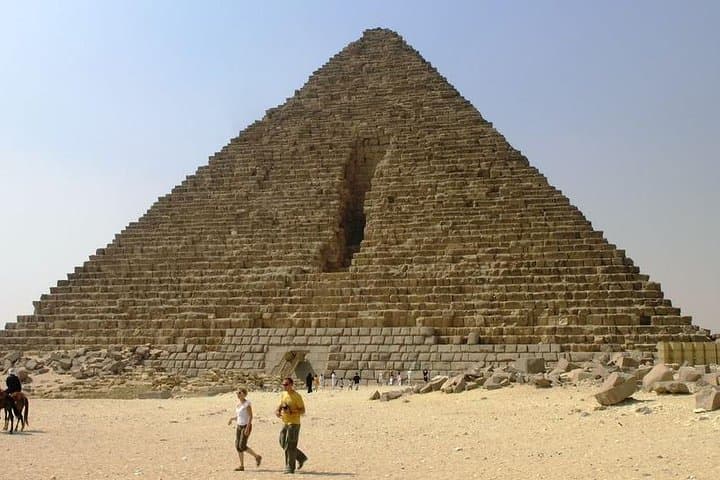
Morning in Hurghada starts with a low desert light and the promise of two cities of empire in a single itinerary. You’ll board a private car to the airport, lift into Cairo’s churn, and step out to stones that have dared millennia—Cheops, Chephren and Mykerinos—while the Sphinx watches like a weary guardian.
Verified experiences and guided adventures in the surrounding area.
Operated by Excursies Egypte-Day Tours · Hurghada, Red Sea Governorate
Morning in Hurghada starts with a low desert light and the promise of two cities of empire in a single itinerary. You’ll board a private car to the airport, lift into Cairo’s churn, and step out to stones that have dared millennia—Cheops, Chephren and Mykerinos—while the Sphinx watches like a weary guardian.
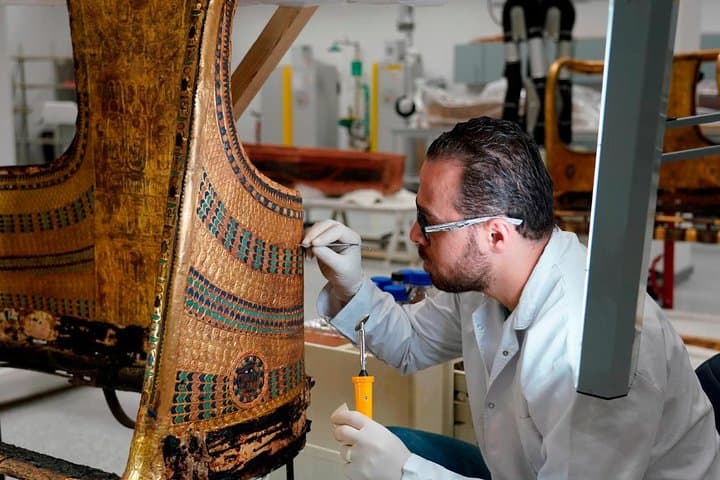
The day moves from sun-baked necropolis to the cool, artifact-dense halls of the Egyptian Museum, where Tutankhamen’s gold still draws a hush. Evenings here belong to alleys: Khan El Khalili’s bazaars trade in spice, silver and the practiced call of eager vendors.
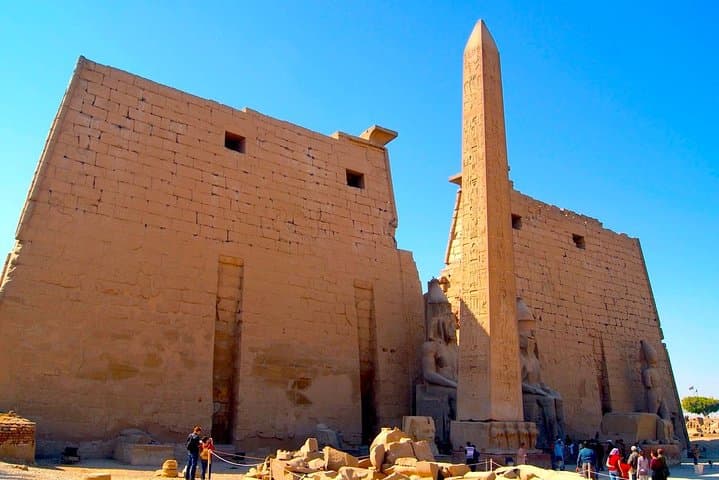
A short flight takes you to Luxor by dusk. Day two opens on the Nile’s quieter shore. The Valley of the Kings presents subterranean art and steep descending passages into painted tombs; the Hatshepsut temple rises with clean, geometric terraces; Karnak’s hypostyle hall presses scale on the body and spirit. The return to Hurghada is a four-hour coastal drive, a chance to watch desert scrub give way to the Red Sea’s blue.
History here spans Pharaonic statecraft, funerary geology of limestone and sandstone, and millennia of Nile-fed settlement. Expect uneven stone steps, short walks between sites and exposed sun. Practical notes: flights are included, transfers are private and air conditioned, museums and tombs require modest dress and comfortable footwear. Carry water, sun protection and small local currency for entry fees, tips and market purchases. The pace rewards early starts and patience at checkpoints—this is a dense, sensory sprint through Egypt’s deepest layers.
moderate.
2 days.
Suitable for travelers in average fitness; requires walking on uneven ground, short climbs into tombs and standing during guided visits.
Yes — the itinerary includes internal flights as described, with private transfers to and from airports and hotels.
Some sites have uneven surfaces and tomb steps; the tour notes wheelchair-accessible transport but tomb access may be restricted—check with the operator in advance.
The private vehicle drive is approximately four hours, depending on traffic and stops along the route.
Most visitors to Egypt require a tourist visa or e-visa—confirm entry requirements for your nationality before travel.
This route connects Old Kingdom memorial architecture in Giza with New Kingdom royal tombs in Luxor, spanning more than a thousand years of Pharaonic development.
High foot traffic affects fragile tomb paintings and masonry; follow site rules, avoid flash photography where prohibited, and use local guides who support regulated access.
Excursies Egypte-Day Tours operates guided outdoor trips and adventures with an emphasis on safety, stewardship, and memorable experiences.
Morning in Hurghada starts with a low desert light and the promise of two cities of empire in a single itinerary. You’ll board a private car to the airport, lift into Cairo’s churn, and step out to stones that have dared millennia—Cheops, Chephren and Mykerinos—while the Sphinx watches like a weary guardian.
Morning in Hurghada starts with a low desert light and the promise of two cities of empire in a single itinerary. You’ll board a private car to the airport, lift into Cairo’s churn, and step out to stones that have dared millennia—Cheops, Chephren and Mykerinos—while the Sphinx watches like a weary guardian.
The day moves from sun-baked necropolis to the cool, artifact-dense halls of the Egyptian Museum, where Tutankhamen’s gold still draws a hush. Evenings here belong to alleys: Khan El Khalili’s bazaars trade in spice, silver and the practiced call of eager vendors.
A short flight takes you to Luxor by dusk. Day two opens on the Nile’s quieter shore. The Valley of the Kings presents subterranean art and steep descending passages into painted tombs; the Hatshepsut temple rises with clean, geometric terraces; Karnak’s hypostyle hall presses scale on the body and spirit. The return to Hurghada is a four-hour coastal drive, a chance to watch desert scrub give way to the Red Sea’s blue.
History here spans Pharaonic statecraft, funerary geology of limestone and sandstone, and millennia of Nile-fed settlement. Expect uneven stone steps, short walks between sites and exposed sun. Practical notes: flights are included, transfers are private and air conditioned, museums and tombs require modest dress and comfortable footwear. Carry water, sun protection and small local currency for entry fees, tips and market purchases. The pace rewards early starts and patience at checkpoints—this is a dense, sensory sprint through Egypt’s deepest layers.