THE ADVENTURE COLLECTIVE® · Independent discovery and booking for outdoor travel

Board an early coach from Hurghada and spend a long, illuminating day in Cairo visiting the Egyptian Museum, the Pyramids of Giza and a local perfume museum. This guided, small-group tour pairs ancient monuments with practical logistics for a memorable but demanding day trip.
Board an early coach from Hurghada and spend a long, illuminating day in Cairo visiting the Egyptian Museum, the Pyramids of Giza and a local perfume museum. This guided, small-group tour pairs ancient monuments with practical logistics for a memorable but demanding day trip.
You step onto the air-conditioned coach before dawn and the Red Sea coast recedes as the desert wakes around you — a wide, ochre plain that seems to dare you to sleep. By mid-morning the city silhouette of Cairo appears: a maze of streets, minarets and the distant rise of the Giza Plateau where stone giants wait.
Verified experiences and guided adventures in the surrounding area.
Operated by Otto Travel · Cairo, Cairo Governorate
You step onto the air-conditioned coach before dawn and the Red Sea coast recedes as the desert wakes around you — a wide, ochre plain that seems to dare you to sleep. By mid-morning the city silhouette of Cairo appears: a maze of streets, minarets and the distant rise of the Giza Plateau where stone giants wait.
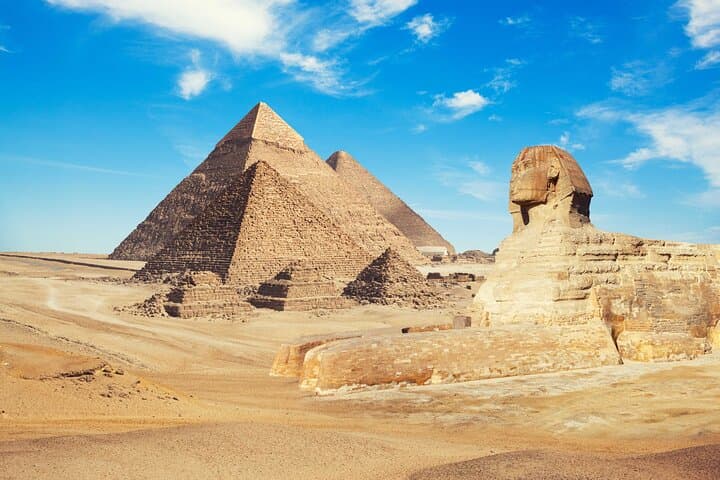
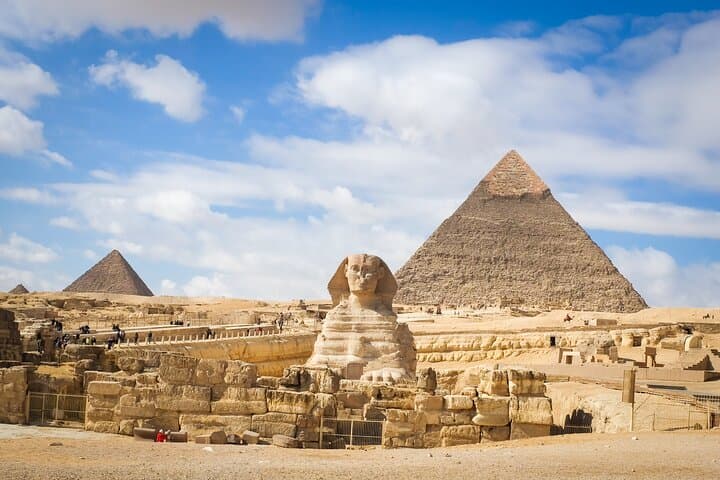
This full-day journey stitches together Egypt’s headline history. The Egyptian Museum houses more than 120,000 artifacts, including Tutankhamun’s gold mask, offering a densely packed chronological map of pharaonic life. At Giza you confront engineering that is roughly 4,500 years old: Khufu, Khafre and Menkaure still dominate the skyline, their dressed-stone faces weathered by wind and time. A nearby perfume museum traces perfume-making from ancient oils to modern craft, illustrating how scent carried religious and social meaning across millennia.
Geology is obvious here — limestone bedrock built the plateau, while wind and sand sculpt the surrounding desert into low dunes and scrub. Local culture is present in small things: the cadence of vendors’ calls, the careful etiquette at lunch, the quiet reverence around tomb models.
Practical guidance: expect a very long day (approximately 16–18 hours) with long coach transfers; bring sun protection, sturdy walking shoes for uneven sand and stone, and copies of your passport for entry. Plan for crowds at the museum and Giza; a knowledgeable guide will speed logistics and add vital context. Hydrate, set an early alarm, and be ready for a day where history meets the raw, breathing desert.
easy.
16–18 hours.
Minimal fitness required for walking on uneven stone and sandy approaches; able to handle a very long day on your feet.
Expect approximately five hours each way by air-conditioned coach, depending on traffic and stops.
This tour description states some entrance fees may be included; confirm at booking and bring extra cash or card for optional sites.
Yes—it's labelled suitable for all fitness levels, but the long day and walking on uneven ground may be tiring for very young children or those with mobility issues.
Camera policies vary; small personal cameras are often allowed but flash or professional equipment may be restricted and can require a fee.
The Giza pyramids date to the Fourth Dynasty (around 2600–2500 BCE) and served as monumental tombs; the Egyptian Museum houses artifacts spanning millennia, including Tutankhamun’s burial treasures.
Tourism pressure affects the Giza Plateau — stick to designated paths, avoid touching ancient stonework, and support licensed guides and local businesses to help sustainable stewardship.
Otto Travel operates guided outdoor trips and adventures with an emphasis on safety, stewardship, and memorable experiences.
You step onto the air-conditioned coach before dawn and the Red Sea coast recedes as the desert wakes around you — a wide, ochre plain that seems to dare you to sleep. By mid-morning the city silhouette of Cairo appears: a maze of streets, minarets and the distant rise of the Giza Plateau where stone giants wait.
You step onto the air-conditioned coach before dawn and the Red Sea coast recedes as the desert wakes around you — a wide, ochre plain that seems to dare you to sleep. By mid-morning the city silhouette of Cairo appears: a maze of streets, minarets and the distant rise of the Giza Plateau where stone giants wait.
This full-day journey stitches together Egypt’s headline history. The Egyptian Museum houses more than 120,000 artifacts, including Tutankhamun’s gold mask, offering a densely packed chronological map of pharaonic life. At Giza you confront engineering that is roughly 4,500 years old: Khufu, Khafre and Menkaure still dominate the skyline, their dressed-stone faces weathered by wind and time. A nearby perfume museum traces perfume-making from ancient oils to modern craft, illustrating how scent carried religious and social meaning across millennia.
Geology is obvious here — limestone bedrock built the plateau, while wind and sand sculpt the surrounding desert into low dunes and scrub. Local culture is present in small things: the cadence of vendors’ calls, the careful etiquette at lunch, the quiet reverence around tomb models.
Practical guidance: expect a very long day (approximately 16–18 hours) with long coach transfers; bring sun protection, sturdy walking shoes for uneven sand and stone, and copies of your passport for entry. Plan for crowds at the museum and Giza; a knowledgeable guide will speed logistics and add vital context. Hydrate, set an early alarm, and be ready for a day where history meets the raw, breathing desert.