THE ADVENTURE COLLECTIVE® · Independent discovery and booking for outdoor travel

A long day by road from Hurghada delivers you to the Giza Plateau and the Egyptian Museum — iconic monuments, papyrus demonstrations, and a bustling bazaar. Expect early pickup, long highway time, and archaeological highlights guided by an Egyptologist.
A long day by road from Hurghada delivers you to the Giza Plateau and the Egyptian Museum — iconic monuments, papyrus demonstrations, and a bustling bazaar. Expect early pickup, long highway time, and archaeological highlights guided by an Egyptologist.
The bus eases out of Hurghada before dawn; the Red Sea shrinks to a glittering ribbon and the desert opens like a folded map. By midafternoon the Giza Plateau looms — slabs of limestone stacked into geometric defiance against the sky, the Sphinx’s profile leaning into the wind as if listening for footsteps.
Verified experiences and guided adventures in the surrounding area.
Operated by Mohamed Rabea · Cairo, Cairo Governorate
The bus eases out of Hurghada before dawn; the Red Sea shrinks to a glittering ribbon and the desert opens like a folded map. By midafternoon the Giza Plateau looms — slabs of limestone stacked into geometric defiance against the sky, the Sphinx’s profile leaning into the wind as if listening for footsteps.
This is a day of concentrated history. The Great Pyramid of Khufu dates to around 2560 BCE and sits on bedrock that records the Nile’s long retreat and advance; the Sphinx is cut from local limestone and bears centuries of restoration. Inside the Egyptian Museum, gold and funerary masks — most famously Tutankhamun’s — reveal the sophistication of New Kingdom artisans. The tour blends these archaeological highlights with living culture: a papyrus demonstration, a stroll through a Cairo bazaar, and a lunch of classic Egyptian dishes.
Practicalities shape the experience. Expect long highway hours — roughly 5.5 hours each way — so plan for a very early pickup and a late return to Hurghada. Bring a valid passport, cash in small bills for tips and purchases, and sun protection: the plateau has minimal shade and the limestone reflects heat. Comfortable walking shoes help on loose gravel and uneven paving; the museum requires focused time if you want to see the Tutankhamun collection. Respect signage and local customs: touching ancient stone or climbing monuments risks fines and accelerates wear.
This trip is a high-reward, low-technical day: an archaeological immersion delivered across desert distance. Hydrate, charge your camera, and be prepared for a long but memorable day where ancient stone seems to hold its breath while you pass through.
easy.
12–16 hours.
No special fitness required, but participants should be comfortable with long bus travel and moderate walking on uneven ground.
Expect roughly 5.5 hours each way by air-conditioned bus, depending on traffic and stops — plan for a long day on the road.
Yes — the tour includes entrance fees to the Giza Pyramids, Sphinx, and the Egyptian Museum, plus a local lunch as stated in the itinerary.
The tour is rated easy but the long bus rides and extensive walking may be tiring; infants must sit on an adult’s lap and travelers with mobility limitations should consult the operator in advance.
Yes — the itinerary includes a papyrus demonstration and a bazaar visit; bring small cash and be prepared to negotiate politely.
The Giza pyramids were built in the Fourth Dynasty (around 2600 BCE) on a limestone plateau that served as a royal burial ground during Old Kingdom Egypt.
Heavy visitation has accelerated erosion and wear; follow guides’ instructions, avoid touching carved stone, and use refillable bottles to reduce plastic waste in the area.
Mohamed Rabea operates guided outdoor trips and adventures with an emphasis on safety, stewardship, and memorable experiences.
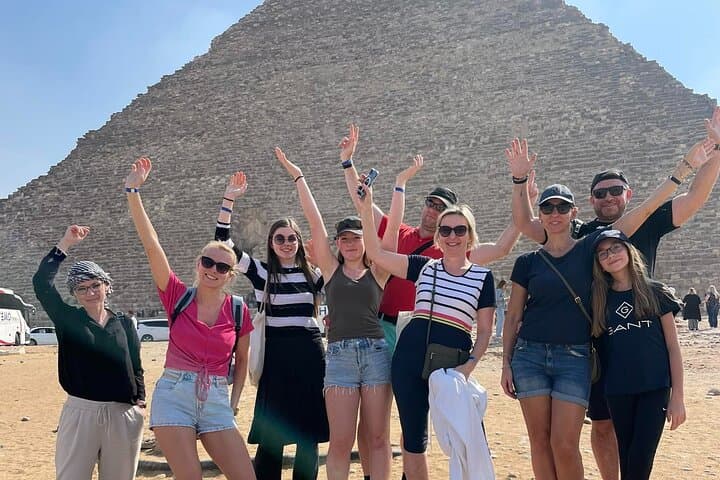
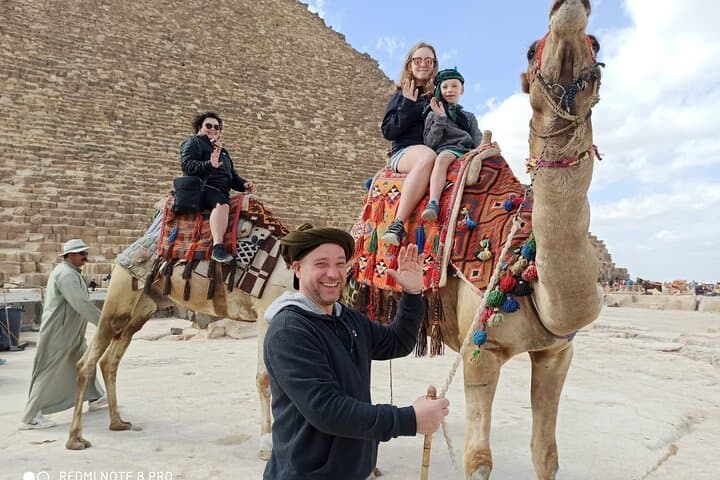
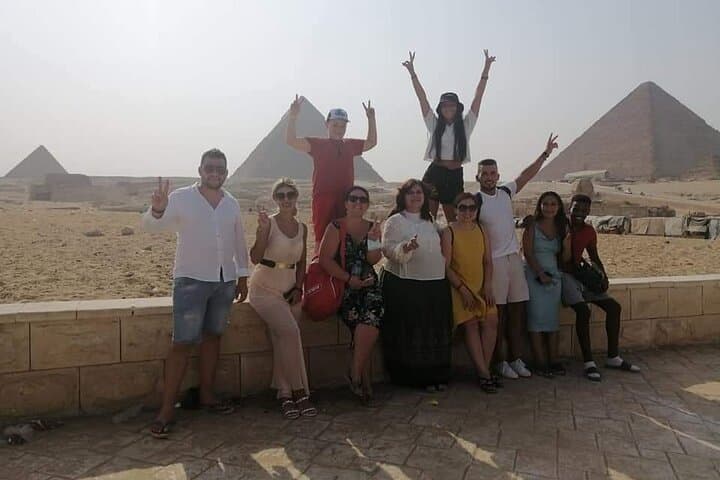
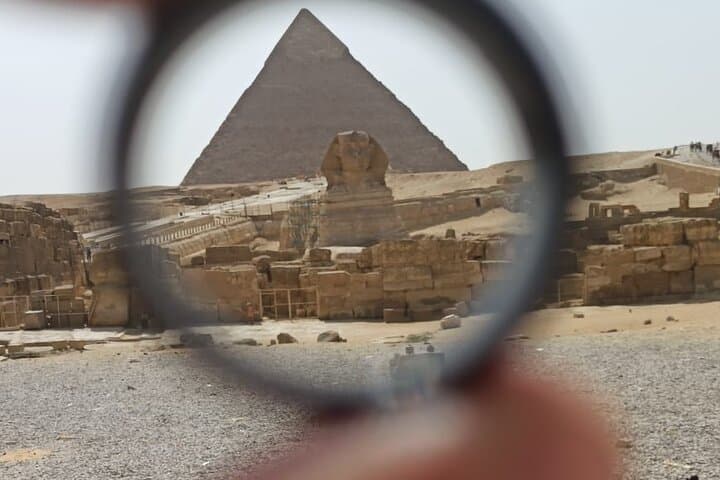
The bus eases out of Hurghada before dawn; the Red Sea shrinks to a glittering ribbon and the desert opens like a folded map. By midafternoon the Giza Plateau looms — slabs of limestone stacked into geometric defiance against the sky, the Sphinx’s profile leaning into the wind as if listening for footsteps.
The bus eases out of Hurghada before dawn; the Red Sea shrinks to a glittering ribbon and the desert opens like a folded map. By midafternoon the Giza Plateau looms — slabs of limestone stacked into geometric defiance against the sky, the Sphinx’s profile leaning into the wind as if listening for footsteps.
This is a day of concentrated history. The Great Pyramid of Khufu dates to around 2560 BCE and sits on bedrock that records the Nile’s long retreat and advance; the Sphinx is cut from local limestone and bears centuries of restoration. Inside the Egyptian Museum, gold and funerary masks — most famously Tutankhamun’s — reveal the sophistication of New Kingdom artisans. The tour blends these archaeological highlights with living culture: a papyrus demonstration, a stroll through a Cairo bazaar, and a lunch of classic Egyptian dishes.
Practicalities shape the experience. Expect long highway hours — roughly 5.5 hours each way — so plan for a very early pickup and a late return to Hurghada. Bring a valid passport, cash in small bills for tips and purchases, and sun protection: the plateau has minimal shade and the limestone reflects heat. Comfortable walking shoes help on loose gravel and uneven paving; the museum requires focused time if you want to see the Tutankhamun collection. Respect signage and local customs: touching ancient stone or climbing monuments risks fines and accelerates wear.
This trip is a high-reward, low-technical day: an archaeological immersion delivered across desert distance. Hydrate, charge your camera, and be prepared for a long but memorable day where ancient stone seems to hold its breath while you pass through.