THE ADVENTURE COLLECTIVE® · Independent discovery and booking for outdoor travel

A long day that packs Egypt’s top highlights into an economical coach tour: see the Pyramids of Giza, the Great Sphinx, the Egyptian Museum and Khan al-Khalili with hotel pickup from Hurghada. This itinerary suits travelers who want maximum sites in a single, well-organized day.
A long day that packs Egypt’s top highlights into an economical coach tour: see the Pyramids of Giza, the Great Sphinx, the Egyptian Museum and Khan al-Khalili with hotel pickup from Hurghada. This itinerary suits travelers who want maximum sites in a single, well-organized day.
Before dawn your coach eases out of Hurghada, headlights cutting through the desert like a line on a map, bound for Cairo’s layered history. The road stretches flat and wide; the desert seems to watch you leave the Red Sea behind as the city’s minarets and the plateau’s silhouettes grow into view.
Verified experiences and guided adventures in the surrounding area.
Operated by Get Egypt Vacation · Cairo, Cairo Governorate
Before dawn your coach eases out of Hurghada, headlights cutting through the desert like a line on a map, bound for Cairo’s layered history. The road stretches flat and wide; the desert seems to watch you leave the Red Sea behind as the city’s minarets and the plateau’s silhouettes grow into view.
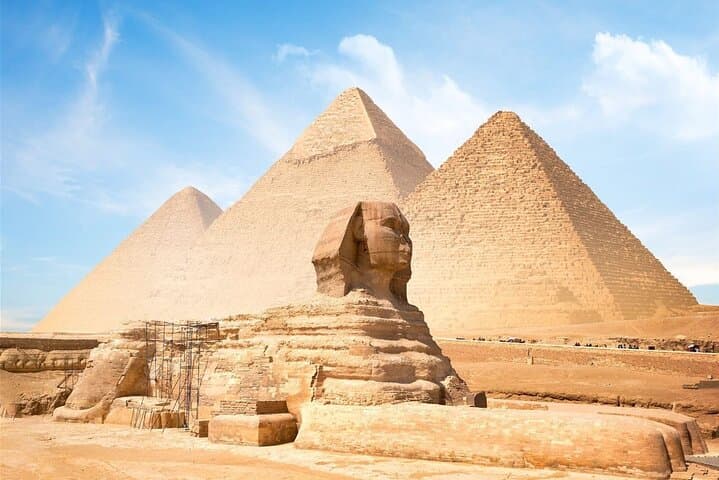
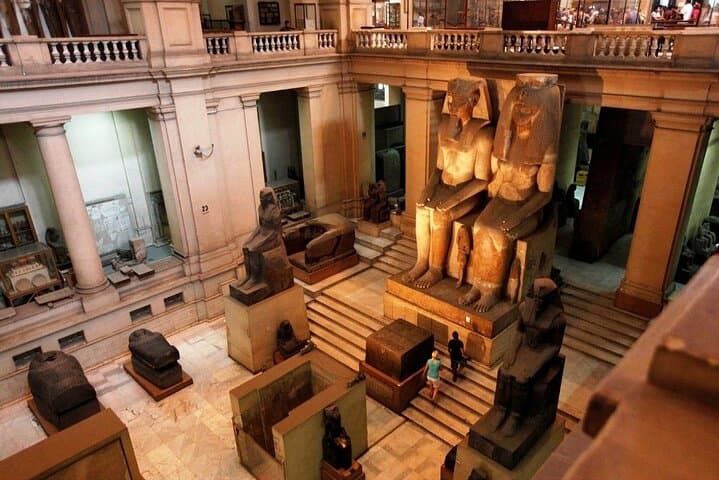
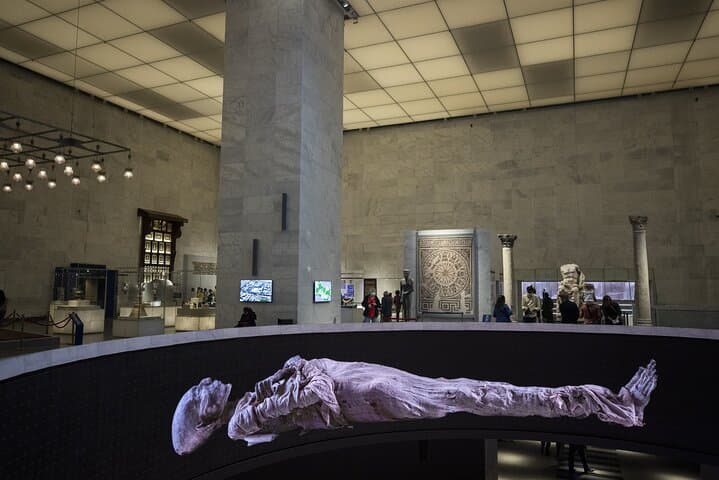
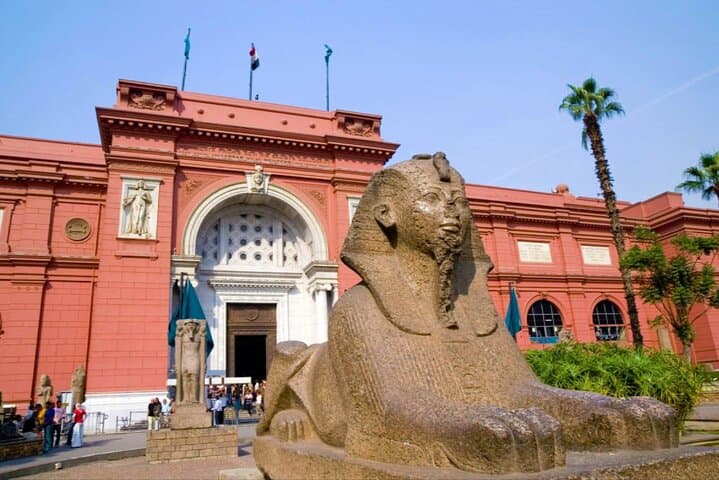
At Giza the limestone of the Great Pyramid bears the weight of millennia—quarry stones still visible where ancient builders pried blocks from the bedrock. In Cairo proper the Egyptian Museum houses Tutankhamun’s gold and an archive of pharaonic life that explains the rituals carved into the stones you’ll see on the plateau. Khan al-Khalili markets and a perfume museum add living culture: vendors call, spices perfume the air, and craftsmen still polish brass the old way.
Practicality governs the day: expect a long schedule (roughly 14–16 hours), early pickup, and multiple short stops—museum time, a restaurant lunch, two hours on the Giza Plateau, a Sphinx viewpoint, and a market stroll. The tour includes entrance fees, bottled water, and round-trip air-conditioned transport, but you should bring sun protection, comfortable shoes for uneven limestone and cobbles, local currency for tips and souvenirs, and a photocopy of your passport. Plan for crowds at peak hours and photo restrictions inside museum halls. Time your visit earlier in the day to avoid midafternoon heat; the drive itself is part of the experience—open desert that pushes you toward Egypt’s ancient heart.
easy.
14–16 hours.
Suitable for most fitness levels but expect a long day with some walking on uneven surfaces and stairs.
Each direction takes about 4.5–6 hours depending on traffic and breaks, making this a full-day excursion (roughly 14–16 hours total).
Yes—this tour includes entrance fees to the Egyptian Museum, the Giza plateau area and the perfume museum as stated in the itinerary.
Physically it’s suitable for most ages, but the long travel time and walking on uneven ground may be tiring—consider mobility limitations and bring any needed medication.
The itinerary typically allows about an hour for the market; it’s enough for a quick browse and purchase but not an extended exploration.
The Giza Plateau dates to the Fourth Dynasty (c. 2600–2500 BCE); the Egyptian Museum in central Cairo aggregates artifacts that trace pharaonic culture across millennia.
Tourism concentrates on fragile archaeological surfaces; follow designated paths, avoid climbing on monuments, and support local guides who contribute to sustainable site management.
Get Egypt Vacation operates guided outdoor trips and adventures with an emphasis on safety, stewardship, and memorable experiences.
Before dawn your coach eases out of Hurghada, headlights cutting through the desert like a line on a map, bound for Cairo’s layered history. The road stretches flat and wide; the desert seems to watch you leave the Red Sea behind as the city’s minarets and the plateau’s silhouettes grow into view.
Before dawn your coach eases out of Hurghada, headlights cutting through the desert like a line on a map, bound for Cairo’s layered history. The road stretches flat and wide; the desert seems to watch you leave the Red Sea behind as the city’s minarets and the plateau’s silhouettes grow into view.
At Giza the limestone of the Great Pyramid bears the weight of millennia—quarry stones still visible where ancient builders pried blocks from the bedrock. In Cairo proper the Egyptian Museum houses Tutankhamun’s gold and an archive of pharaonic life that explains the rituals carved into the stones you’ll see on the plateau. Khan al-Khalili markets and a perfume museum add living culture: vendors call, spices perfume the air, and craftsmen still polish brass the old way.
Practicality governs the day: expect a long schedule (roughly 14–16 hours), early pickup, and multiple short stops—museum time, a restaurant lunch, two hours on the Giza Plateau, a Sphinx viewpoint, and a market stroll. The tour includes entrance fees, bottled water, and round-trip air-conditioned transport, but you should bring sun protection, comfortable shoes for uneven limestone and cobbles, local currency for tips and souvenirs, and a photocopy of your passport. Plan for crowds at peak hours and photo restrictions inside museum halls. Time your visit earlier in the day to avoid midafternoon heat; the drive itself is part of the experience—open desert that pushes you toward Egypt’s ancient heart.