THE ADVENTURE COLLECTIVE® · Independent discovery and booking for outdoor travel

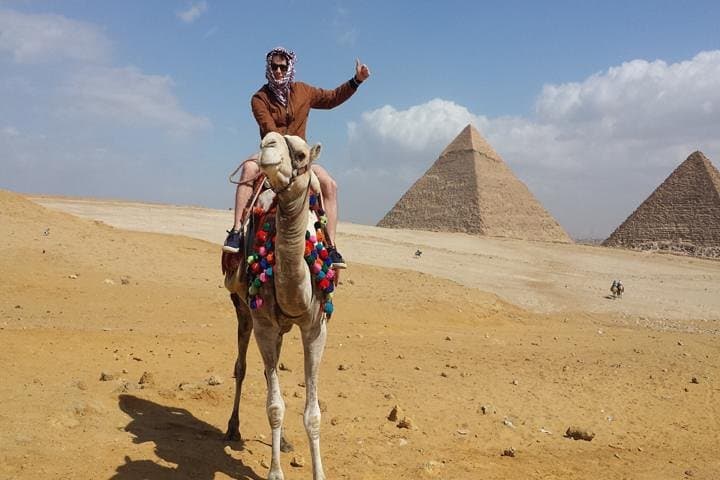
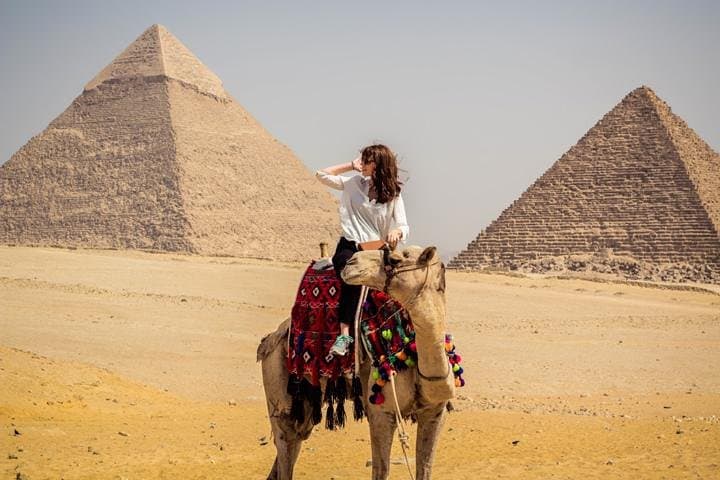
Make a long but rewarding sweep from Hurghada to Cairo in one day: explore the Egyptian Museum, stand before the Giza pyramids, and ride a camel on the plateau. Expect a 20-hour door-to-door day with long drives and iconic sights.
Make a long but rewarding sweep from Hurghada to Cairo in one day: explore the Egyptian Museum, stand before the Giza pyramids, and ride a camel on the plateau. Expect a 20-hour door-to-door day with long drives and iconic sights.
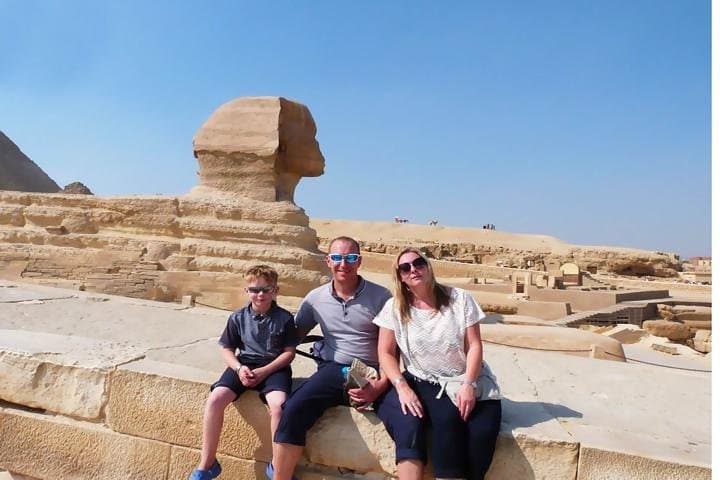
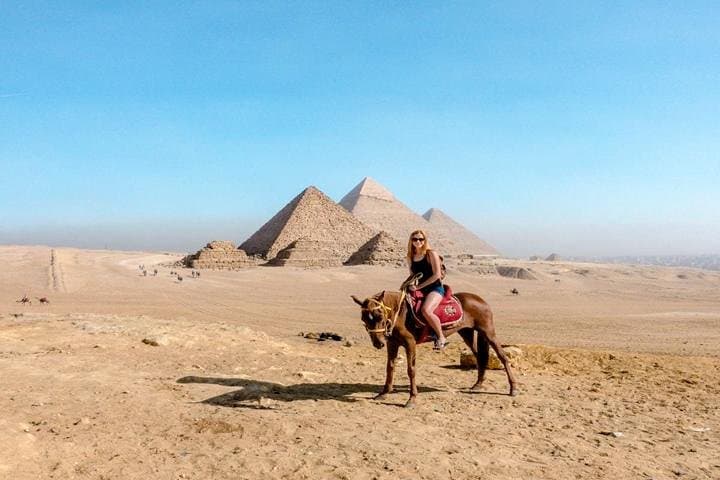
You step onto the bus before dawn, the Red Sea coast still cooling behind Hurghada while a long ribbon of highway unfurls toward the Nile. The van hums; sand and scrub slip past as the Sinai rises, then flattens into the open desert that leads north to Cairo. By midday you’re in the city’s frenetic pulse: the Egyptian Museum’s cool halls, the glint of Tutankhamen’s mask, and then the sudden openness of the Giza Plateau where the pyramids keep watch.
Verified experiences and guided adventures in the surrounding area.
Operated by Let`s Explore Egypt · Giza, Giza Governorate
You step onto the bus before dawn, the Red Sea coast still cooling behind Hurghada while a long ribbon of highway unfurls toward the Nile. The van hums; sand and scrub slip past as the Sinai rises, then flattens into the open desert that leads north to Cairo. By midday you’re in the city’s frenetic pulse: the Egyptian Museum’s cool halls, the glint of Tutankhamen’s mask, and then the sudden openness of the Giza Plateau where the pyramids keep watch.
This is a one-day sprint across geography and millennia. The drive covers roughly 450 km each way (expect 6–7 hours per direction depending on traffic), threading coastal desert into the fertile Nile Valley. The Egyptian Museum showcases Pharaonic artifacts and mummified animals; the Giza complex and Sphinx date to the Fourth Dynasty and sit on limestone plateau overlain by windblown sand.
Cairo’s culture is kinetic—street vendors, layered histories from Pharaonic to Ottoman, and a cuisine built on robust spices and legumes. Local guides are usually Egyptologists who translate stones into stories and point out conservation concerns like erosion and visitor impact.
Practical side: this is a long, full day (about 20 hours door-to-door). Wear sturdy walking shoes, sun protection, and bring layered clothing for morning chill and the hot midday sun. Carry cash (Egyptian pounds) for optional entrances and tips; interior pyramid access or the Solar Boat Museum may require extra fees. Expect limited walking at each stop but uneven surfaces at antiquities sites and short camel rides on the plateau. Hydrate frequently and plan to be flexible with timing—Cairo traffic and security checks can alter the schedule. For travelers who want a condensed but thorough encounter with Egypt’s signature sights, this tour is efficient and direct—prepare for an intense day of history and highway.
moderate.
20 hours (approx.).
Good enough for long hours on a bus plus short to moderate walking on uneven surfaces; able to handle a full day with minimal rest.
Expect about 6–7 hours each way depending on traffic, road conditions, and stops—this tour runs roughly 20 hours total.
Some site admissions are included, but interior pyramid entry, the Solar Boat Museum, or special exhibits may require additional fees—confirm before departure.
Yes; the itinerary includes a lunch stop with Egyptian food and multiple rest stops, but time at each attraction is limited due to the long travel distances.
Children can join, but the long day is demanding; travelers with limited mobility should check accessibility at museum and Giza sites and discuss options with the operator in advance.
The Giza pyramids date to the Fourth Dynasty (c. 2600–2500 BCE); the Egyptian Museum in Tahrir preserves artifacts spanning millennia including Tutankhamen’s burial mask.
High visitor numbers and wind-borne sand stress the monuments—avoid climbing stones, follow guide instructions, and minimize plastic waste to reduce impact.
Let`s Explore Egypt operates guided outdoor trips and adventures with an emphasis on safety, stewardship, and memorable experiences.
You step onto the bus before dawn, the Red Sea coast still cooling behind Hurghada while a long ribbon of highway unfurls toward the Nile. The van hums; sand and scrub slip past as the Sinai rises, then flattens into the open desert that leads north to Cairo. By midday you’re in the city’s frenetic pulse: the Egyptian Museum’s cool halls, the glint of Tutankhamen’s mask, and then the sudden openness of the Giza Plateau where the pyramids keep watch.
You step onto the bus before dawn, the Red Sea coast still cooling behind Hurghada while a long ribbon of highway unfurls toward the Nile. The van hums; sand and scrub slip past as the Sinai rises, then flattens into the open desert that leads north to Cairo. By midday you’re in the city’s frenetic pulse: the Egyptian Museum’s cool halls, the glint of Tutankhamen’s mask, and then the sudden openness of the Giza Plateau where the pyramids keep watch.
This is a one-day sprint across geography and millennia. The drive covers roughly 450 km each way (expect 6–7 hours per direction depending on traffic), threading coastal desert into the fertile Nile Valley. The Egyptian Museum showcases Pharaonic artifacts and mummified animals; the Giza complex and Sphinx date to the Fourth Dynasty and sit on limestone plateau overlain by windblown sand.
Cairo’s culture is kinetic—street vendors, layered histories from Pharaonic to Ottoman, and a cuisine built on robust spices and legumes. Local guides are usually Egyptologists who translate stones into stories and point out conservation concerns like erosion and visitor impact.
Practical side: this is a long, full day (about 20 hours door-to-door). Wear sturdy walking shoes, sun protection, and bring layered clothing for morning chill and the hot midday sun. Carry cash (Egyptian pounds) for optional entrances and tips; interior pyramid access or the Solar Boat Museum may require extra fees. Expect limited walking at each stop but uneven surfaces at antiquities sites and short camel rides on the plateau. Hydrate frequently and plan to be flexible with timing—Cairo traffic and security checks can alter the schedule. For travelers who want a condensed but thorough encounter with Egypt’s signature sights, this tour is efficient and direct—prepare for an intense day of history and highway.