THE ADVENTURE COLLECTIVE® · Independent discovery and booking for outdoor travel

A long, full-day flight from Hurghada delivers you into Cairo’s layered history: world-class museums, the Giza Plateau and a chance to ride a camel beside the last ancient wonder. Expect a 16–18 hour itinerary with airport transfers, guided museum time and time at the pyramids.
A long, full-day flight from Hurghada delivers you into Cairo’s layered history: world-class museums, the Giza Plateau and a chance to ride a camel beside the last ancient wonder. Expect a 16–18 hour itinerary with airport transfers, guided museum time and time at the pyramids.
You step off the morning flight into Cairo and the city throws itself at you: honking traffic, dust motes caught in shafts of sun, and the Nile threading green through urban heat. From the highway the desert rises, low and ochre, daring you to cross it toward the geometry of the Giza Plateau where the pyramids loom like engineered horizons.
Verified experiences and guided adventures in the surrounding area.
Operated by Book Tour Egypt · Giza, Cairo Governorate
You step off the morning flight into Cairo and the city throws itself at you: honking traffic, dust motes caught in shafts of sun, and the Nile threading green through urban heat. From the highway the desert rises, low and ochre, daring you to cross it toward the geometry of the Giza Plateau where the pyramids loom like engineered horizons.
Start at the museum — either the newly opened Grand Egyptian Museum (GEM) or the classic Tahrir Square museum — and you’ll feel the chronological weight of objects arranged to tell a civilization’s long story. After artifacts and mummies, the plateau offers a different lesson: geology and labor visible in the limestone blocks, the valley temple’s worn travertine, and the Sphinx’s weathered face watching centuries of visitors.
Cairo’s layered culture moves from Pharaonic tombs to Ottoman markets: a quick walk through Khan el-Khalili shows merchants still practicing trades that stretch back generations. If time allows, a short Nile boat cruise reorients the city — water still shapes Cairo as much as stone does.
Practical guidance: this is a very long, full day (roughly 16–18 hours). Expect airport transfers, security checks and crowded sites; choose the GEM in advance if you want modern displays and easier navigation. Bring sun protection, a refillable water bottle, photocopies of travel documents and comfortable shoes for mixed terrain (sand, paving stones, and museum floors). If you plan a camel ride, keep your pockets closed and your knees bent when mounting. Allow buffer time for flights and be prepared for late returns to Hurghada.
easy.
16–18 hours.
Suitable for most fitness levels but expect a long day with extensive walking and some uneven ground
The tour runs about 16–18 hours door-to-door, accounting for flights, transfers and on-site visits.
Yes — the booking lets you select the Grand Egyptian Museum (GEM) or the older Tahrir Square museum depending on availability.
Camel rides are typically offered at the pyramids as an add-on experience; check the itinerary details and allow time for mounting.
Some options include entrance fees and lunch; verify your selected package since admission to certain sites can be optional in the booking.
The Giza complex dates to the Fourth Dynasty (c. 2600–2500 BCE); the GEM consolidates artifacts from over a century of excavation into a single modern display space.
The GEM aims to centralize fragile artifacts to reduce wear at older sites; visitors are encouraged to follow marked paths and avoid touching displays to minimize impact.
Book Tour Egypt operates guided outdoor trips and adventures with an emphasis on safety, stewardship, and memorable experiences.
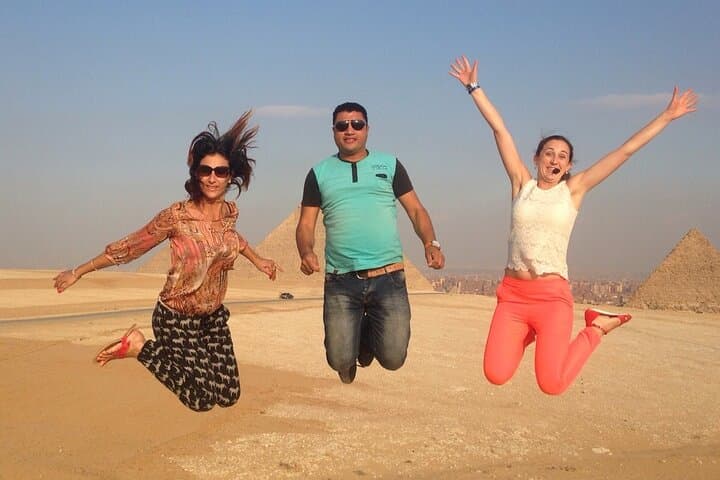
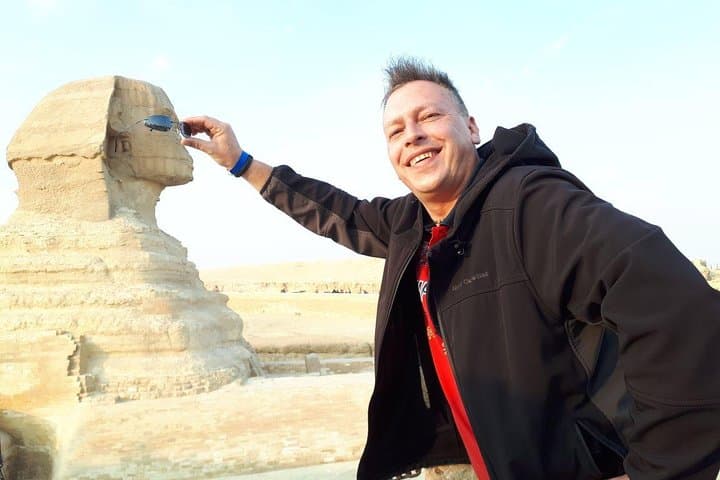
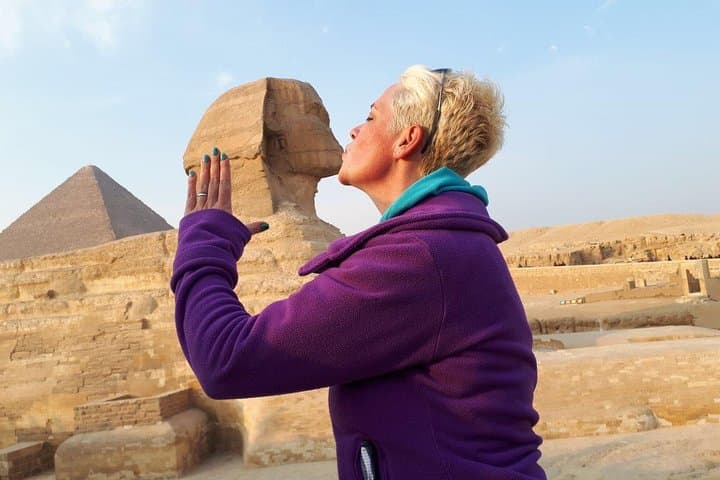
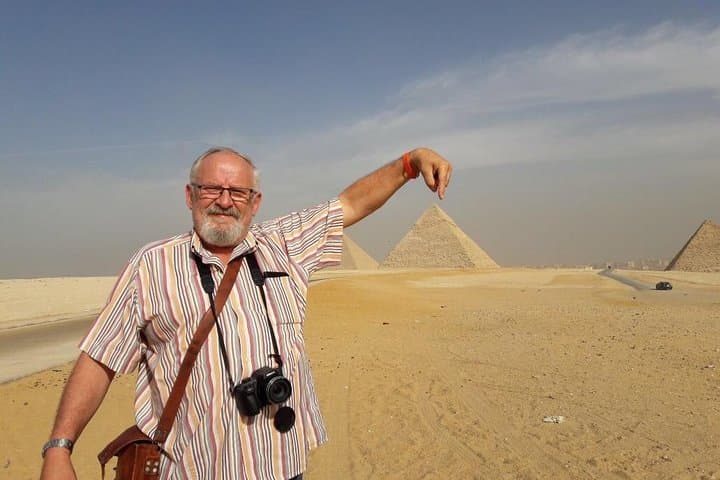
You step off the morning flight into Cairo and the city throws itself at you: honking traffic, dust motes caught in shafts of sun, and the Nile threading green through urban heat. From the highway the desert rises, low and ochre, daring you to cross it toward the geometry of the Giza Plateau where the pyramids loom like engineered horizons.
You step off the morning flight into Cairo and the city throws itself at you: honking traffic, dust motes caught in shafts of sun, and the Nile threading green through urban heat. From the highway the desert rises, low and ochre, daring you to cross it toward the geometry of the Giza Plateau where the pyramids loom like engineered horizons.
Start at the museum — either the newly opened Grand Egyptian Museum (GEM) or the classic Tahrir Square museum — and you’ll feel the chronological weight of objects arranged to tell a civilization’s long story. After artifacts and mummies, the plateau offers a different lesson: geology and labor visible in the limestone blocks, the valley temple’s worn travertine, and the Sphinx’s weathered face watching centuries of visitors.
Cairo’s layered culture moves from Pharaonic tombs to Ottoman markets: a quick walk through Khan el-Khalili shows merchants still practicing trades that stretch back generations. If time allows, a short Nile boat cruise reorients the city — water still shapes Cairo as much as stone does.
Practical guidance: this is a very long, full day (roughly 16–18 hours). Expect airport transfers, security checks and crowded sites; choose the GEM in advance if you want modern displays and easier navigation. Bring sun protection, a refillable water bottle, photocopies of travel documents and comfortable shoes for mixed terrain (sand, paving stones, and museum floors). If you plan a camel ride, keep your pockets closed and your knees bent when mounting. Allow buffer time for flights and be prepared for late returns to Hurghada.