THE ADVENTURE COLLECTIVE® · Independent discovery and booking for outdoor travel

Fly from Hurghada to Cairo for a tightly scheduled two-day cultural tour that covers the Giza Pyramids, the Step Pyramid at Saqqara, the Egyptian Museum and Old Cairo. Ideal for travelers who want maximum sights in minimal time with private transfers and a local Egyptologist guide.
Fly from Hurghada to Cairo for a tightly scheduled two-day cultural tour that covers the Giza Pyramids, the Step Pyramid at Saqqara, the Egyptian Museum and Old Cairo. Ideal for travelers who want maximum sights in minimal time with private transfers and a local Egyptologist guide.
You lift off from the Red Sea coast and, in less than an hour, the urban sprawl of Greater Cairo unrolls beneath you—sand, river, and stone converging where civilizations met. On the Giza Plateau the pyramids loom like engineered mountains; wind plays across their faces and a line of camels paces the horizon, adding rhythm to the view.
Verified experiences and guided adventures in the surrounding area.
Operated by Reflections Travel · Cairo, Cairo Governorate
You lift off from the Red Sea coast and, in less than an hour, the urban sprawl of Greater Cairo unrolls beneath you—sand, river, and stone converging where civilizations met. On the Giza Plateau the pyramids loom like engineered mountains; wind plays across their faces and a line of camels paces the horizon, adding rhythm to the view.
This two-day rail of monuments moves from Pharaonic to medieval and modern: the Step Pyramid of Djoser at Saqqara (one of the oldest large-scale stone constructions, credited to Imhotep) marks the birth of monumental architecture, while the Great Pyramids and the Sphinx speak to royal funerary engineering and celestial alignments. The Egyptian Museum houses artifacts that trace dynastic power, and nearby Cairo neighborhoods—Islamic Citadel, the Mohamed Ali Mosque and Khan El Khalili—show layers of Ottoman and medieval commerce.
Expect structured days with a domestic flight to Cairo, private transfers and a guided pace tailored to sightseeing: short walks across uneven stone, cobbled lanes in Old Cairo and indoor museum galleries. Weather will dictate clothing—light fabrics and sun protection in summer, a windproof layer in winter evenings. Bring photocopies of travel documents, local currency for the bazaar, and comfortable shoes with good grip for plateau stones and mosque courtyards. Stay hydrated; the desert climate dehydrates quickly.
Plan for early starts to avoid midday heat, allocate time to negotiate politely in Khan El Khalili, and allow moments to simply stand and take in the scale—the pyramids still command attention and patience.
easy.
2 days (approx. 48 hours).
Suitable for most fitness levels; requires short walks and standing periods, plus navigating steps and uneven surfaces.
Yes — round-trip domestic flights are included as part of the two-day itinerary.
Admissions to the Giza Pyramids, Sphinx area, Saqqara (Step Pyramid) and the Egyptian Museum are included in the tour price.
Yes — the tour is classified as physically easy, though participants should be able to manage short walks and stairs; infant seats are available for transfers.
Yes — the itinerary includes time in Khan El Khalili; bring cash and be prepared to haggle respectfully.
The Step Pyramid at Saqqara, built for Pharaoh Djoser in the 27th century BCE, represents one of the earliest large-scale uses of dressed stone and a major shift in funerary architecture.
The Giza plateau faces pressure from visitor wear, pollution and urban expansion; follow site rules, avoid touching stonework and use reusable bottles where possible to reduce waste.
Reflections Travel operates guided outdoor trips and adventures with an emphasis on safety, stewardship, and memorable experiences.
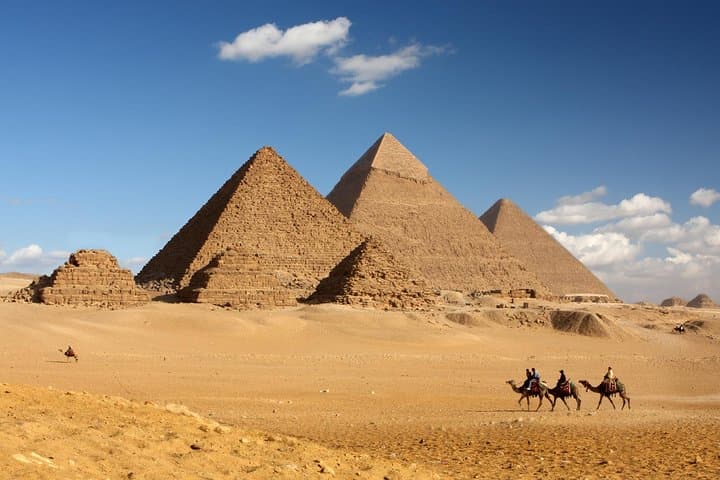
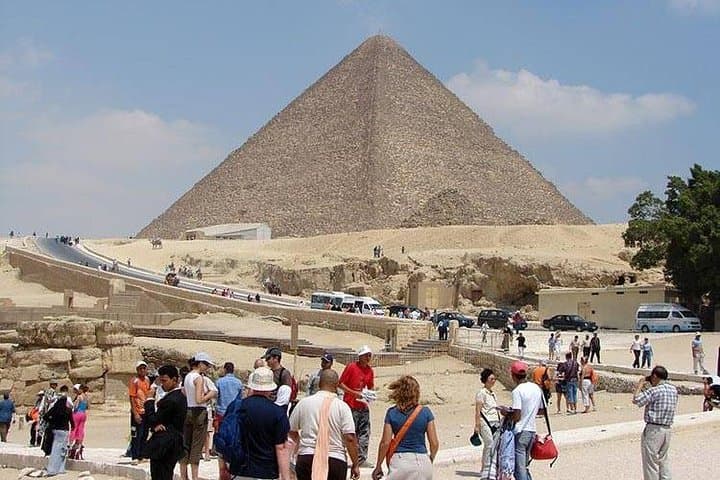
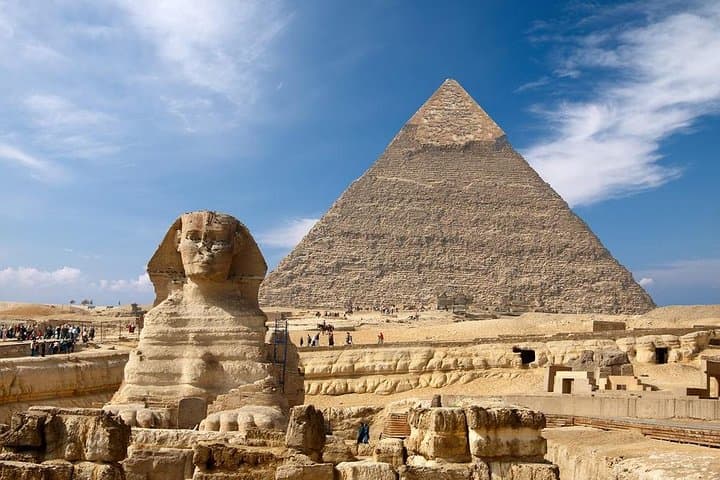
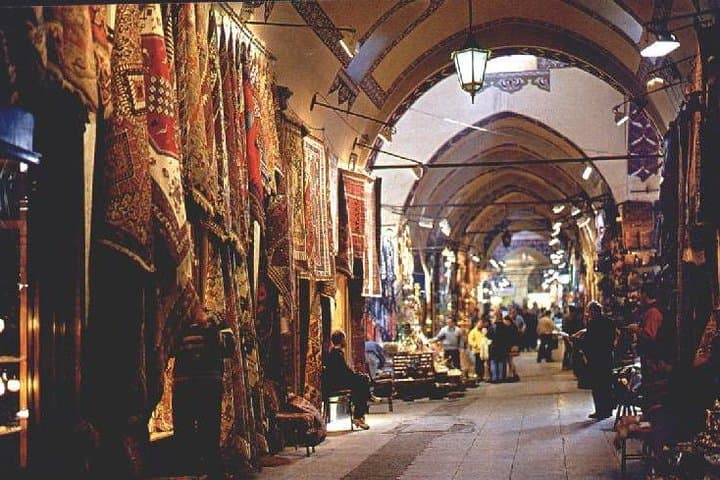
You lift off from the Red Sea coast and, in less than an hour, the urban sprawl of Greater Cairo unrolls beneath you—sand, river, and stone converging where civilizations met. On the Giza Plateau the pyramids loom like engineered mountains; wind plays across their faces and a line of camels paces the horizon, adding rhythm to the view.
You lift off from the Red Sea coast and, in less than an hour, the urban sprawl of Greater Cairo unrolls beneath you—sand, river, and stone converging where civilizations met. On the Giza Plateau the pyramids loom like engineered mountains; wind plays across their faces and a line of camels paces the horizon, adding rhythm to the view.
This two-day rail of monuments moves from Pharaonic to medieval and modern: the Step Pyramid of Djoser at Saqqara (one of the oldest large-scale stone constructions, credited to Imhotep) marks the birth of monumental architecture, while the Great Pyramids and the Sphinx speak to royal funerary engineering and celestial alignments. The Egyptian Museum houses artifacts that trace dynastic power, and nearby Cairo neighborhoods—Islamic Citadel, the Mohamed Ali Mosque and Khan El Khalili—show layers of Ottoman and medieval commerce.
Expect structured days with a domestic flight to Cairo, private transfers and a guided pace tailored to sightseeing: short walks across uneven stone, cobbled lanes in Old Cairo and indoor museum galleries. Weather will dictate clothing—light fabrics and sun protection in summer, a windproof layer in winter evenings. Bring photocopies of travel documents, local currency for the bazaar, and comfortable shoes with good grip for plateau stones and mosque courtyards. Stay hydrated; the desert climate dehydrates quickly.
Plan for early starts to avoid midday heat, allocate time to negotiate politely in Khan El Khalili, and allow moments to simply stand and take in the scale—the pyramids still command attention and patience.