THE ADVENTURE COLLECTIVE® · Independent discovery and booking for outdoor travel

Ride Arabian horses or camels along Hurghada’s Red Sea shoreline or across the nearby desert at sunrise. This two-hour guided excursion suits beginners and offers dramatic light, calm animals, and practical local guidance.
Ride Arabian horses or camels along Hurghada’s Red Sea shoreline or across the nearby desert at sunrise. This two-hour guided excursion suits beginners and offers dramatic light, calm animals, and practical local guidance.
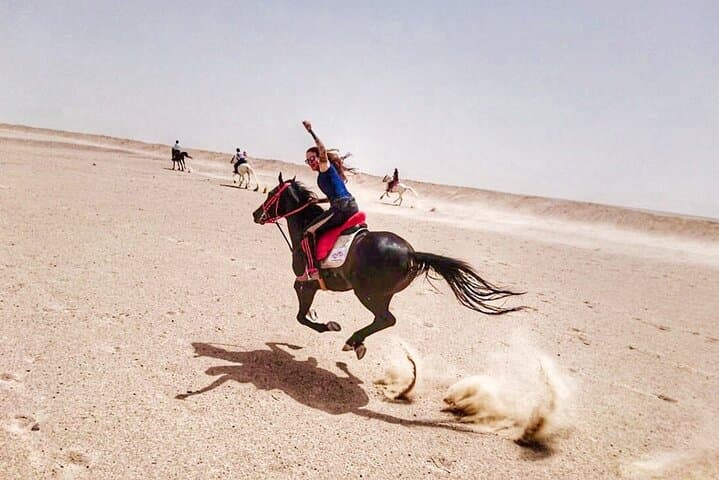
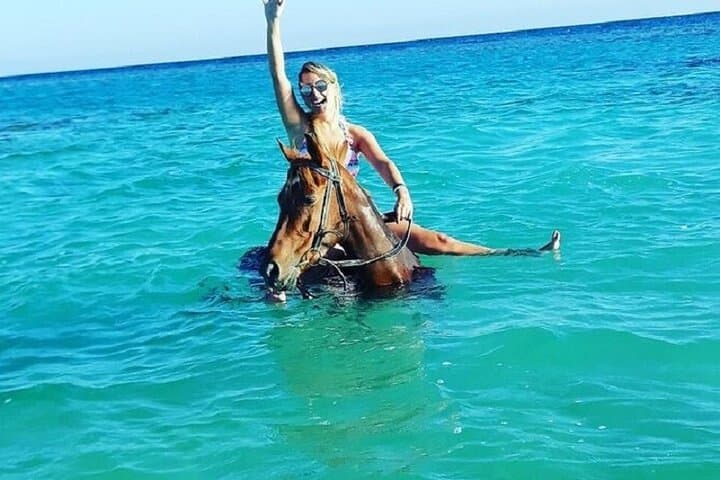
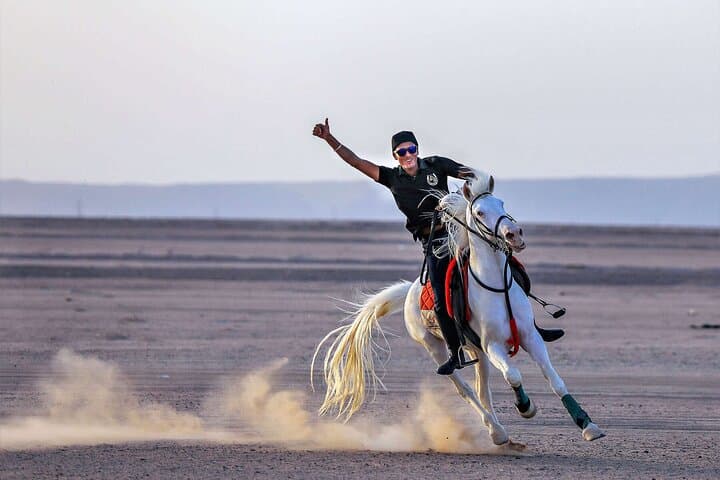
Before the sun crests the Red Sea horizon, riders gather where tide and sand meet or at the hush of the Eastern Desert — hooves stir the morning air and camels rhythmically shift their load. The guide issues a calm welcome; Arabian horses flick an ear, camels breathe slow and deliberate. For two hours the coastline and dunes become a moving stage: surf daring you close to the waterline, wind shaping the dunes into soft ridges that push forward beneath each step.
Verified experiences and guided adventures in the surrounding area.
Operated by Egyptian Touristic Service-E.T.S · Hurghada, Red Sea Governorate
Before the sun crests the Red Sea horizon, riders gather where tide and sand meet or at the hush of the Eastern Desert — hooves stir the morning air and camels rhythmically shift their load. The guide issues a calm welcome; Arabian horses flick an ear, camels breathe slow and deliberate. For two hours the coastline and dunes become a moving stage: surf daring you close to the waterline, wind shaping the dunes into soft ridges that push forward beneath each step.
This part of Egypt has long been a corridor between sea and desert. Hurghada began as a small fishing village and grew into a Red Sea gateway; local Bedouin traditions and the Arabian horse lineage still inform riding culture here. Geologically, the shoreline is recent sand over older limestone plateaus that form the nearby desert. Culturally, morning rides echo Bedouin rhythms — measured, steady, practical — with trained animals accustomed to tourists, so beginners can comfortably join.
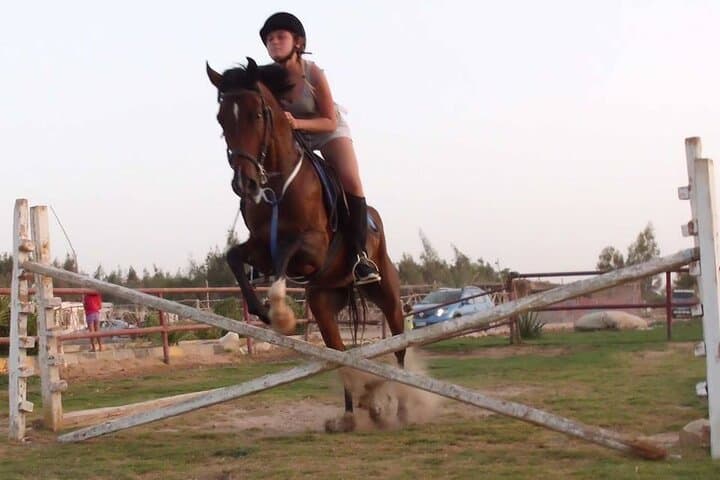
Practically, expect mainly flat to gently undulating sand underfoot (or underhoof), minimal elevation gain, and close-up coastal or dune views rather than mountain panoramas. Guides provide helmets and basic tack; pickup in air-conditioned vehicles is common. Aim for sunrise for cooler temperatures and softer light; bring at least 1 litre of water, sun protection, closed-toe footwear, and a light layer for early-morning breeze. Communicate any back or heart issues in advance — operators often restrict participation for safety. With calm instruction and well-cared-for animals, the ride is both accessible and quietly memorable: an active way to feel the Red Sea coast and desert in motion.
easy.
2 hours.
Light fitness; ability to mount and sit in the saddle for two hours is required
No — the horses and camels are trained for beginners and an experienced guide accompanies every ride.
The experience totals about two hours; most of that is mounted riding across flat beach or dune terrain with brief stops.
Many operators supply helmets and basic riding equipment; check at booking if you prefer a specific size or to bring your own.
This excursion is not recommended for travelers with serious spinal or cardiovascular conditions or for pregnant guests; disclose health issues when booking.
Hurghada grew from a small fishing port into a Red Sea resort; riding and camel culture reflect long-standing Bedouin and Arabian horse traditions in the region.
Stick to designated routes, avoid disturbing wildlife or dunes, and take all waste with you; coastal reefs and desert ecosystems are sensitive to trampling and litter.
Egyptian Touristic Service-E.T.S operates guided outdoor trips and adventures with an emphasis on safety, stewardship, and memorable experiences.
Before the sun crests the Red Sea horizon, riders gather where tide and sand meet or at the hush of the Eastern Desert — hooves stir the morning air and camels rhythmically shift their load. The guide issues a calm welcome; Arabian horses flick an ear, camels breathe slow and deliberate. For two hours the coastline and dunes become a moving stage: surf daring you close to the waterline, wind shaping the dunes into soft ridges that push forward beneath each step.
Before the sun crests the Red Sea horizon, riders gather where tide and sand meet or at the hush of the Eastern Desert — hooves stir the morning air and camels rhythmically shift their load. The guide issues a calm welcome; Arabian horses flick an ear, camels breathe slow and deliberate. For two hours the coastline and dunes become a moving stage: surf daring you close to the waterline, wind shaping the dunes into soft ridges that push forward beneath each step.
This part of Egypt has long been a corridor between sea and desert. Hurghada began as a small fishing village and grew into a Red Sea gateway; local Bedouin traditions and the Arabian horse lineage still inform riding culture here. Geologically, the shoreline is recent sand over older limestone plateaus that form the nearby desert. Culturally, morning rides echo Bedouin rhythms — measured, steady, practical — with trained animals accustomed to tourists, so beginners can comfortably join.
Practically, expect mainly flat to gently undulating sand underfoot (or underhoof), minimal elevation gain, and close-up coastal or dune views rather than mountain panoramas. Guides provide helmets and basic tack; pickup in air-conditioned vehicles is common. Aim for sunrise for cooler temperatures and softer light; bring at least 1 litre of water, sun protection, closed-toe footwear, and a light layer for early-morning breeze. Communicate any back or heart issues in advance — operators often restrict participation for safety. With calm instruction and well-cared-for animals, the ride is both accessible and quietly memorable: an active way to feel the Red Sea coast and desert in motion.