THE ADVENTURE COLLECTIVE® · Independent discovery and booking for outdoor travel

View Red Sea coral and tropical fish from an air-conditioned observation hull, then surface for a snorkel at a shallow reef. This two-hour combo is family-friendly, accessible, and a good intro to Hurghada’s marine life.
View Red Sea coral and tropical fish from an air-conditioned observation hull, then surface for a snorkel at a shallow reef. This two-hour combo is family-friendly, accessible, and a good intro to Hurghada’s marine life.
You step down the gangway into an air-conditioned cabin and the boat hums as it eases away from Hurghada’s busy harbor. Through large oval windows, the Red Sea slides past—coral gardens hovering below like living rockwork, parrotfish and tangs darting through branching staghorn. The observatory hull sits a few meters beneath the surface, offering a steady, fish-eye view without getting wet.
Verified experiences and guided adventures in the surrounding area.
Operated by New Whale Tours · Hurghada, Red Sea Governorate
You step down the gangway into an air-conditioned cabin and the boat hums as it eases away from Hurghada’s busy harbor. Through large oval windows, the Red Sea slides past—coral gardens hovering below like living rockwork, parrotfish and tangs darting through branching staghorn. The observatory hull sits a few meters beneath the surface, offering a steady, fish-eye view without getting wet.
This stretch of the Red Sea sits on the Arabian-Nubian Shield and the wider rift basin; its clear, warm waters and high salinity support some of the world’s most colorful coral species. Hurghada itself grew from a small fishing town into a gateway for diving in the 20th century, and day operators here blend modern safety briefings with local knowledge of seasonal currents.
The semi-submarine portion is family-friendly and ideal for anyone who wants underwater views without scuba certification. The itinerary typically pairs the submerged observatory with a short snorkel stop at a shallow reef to see corals and reef fish up close.
Practically: book morning runs for calmer seas and better visibility, expect about two hours total including transfers, and listen to the pre-departure safety briefing. Bring reef-safe sunscreen, a light wind layer, and a camera with a polarizing filter if you want clearer shots through glass. Motion sensitivity is low but possible for those prone to seasickness; anti-nausea measures are a good precaution.
The cruise is an accessible, low-effort way to encounter Red Sea reefs and makes a solid complement to snorkeling or a full-day dive if you plan to explore more.
easy.
2 hours.
Suitable for most fitness levels; minimal walking and no diving certification required
The total tour runs about two hours, including the semi-submarine viewing and a short snorkel stop; hotel transfers may add time.
No—the vessel remains at surface level; the passenger observatory sits several meters below the waterline for underwater viewing.
Yes—it's family-friendly; infants should sit on laps as required, and the snorkel stop is optional for non-swimmers.
Most trips pass healthy reef zones with visible fish, but visibility and sightings depend on weather, sea conditions, and season.
Hurghada developed from a 19th-century fishing and pearl-diving community into an international diving hub in the late 20th century, driven by the Red Sea’s unique reefs.
The Red Sea’s coral reefs are sensitive to warming and local pressures; choose operators that follow reef-safe practices, minimize anchoring on corals, and encourage responsible snorkeling.
New Whale Tours operates guided outdoor trips and adventures with an emphasis on safety, stewardship, and memorable experiences.
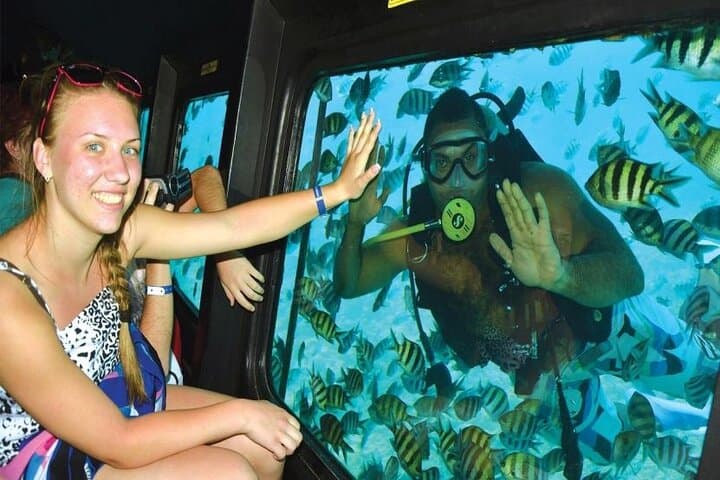
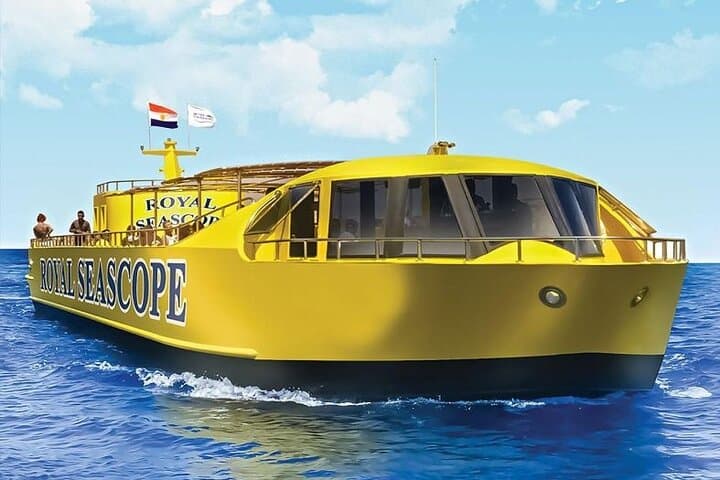
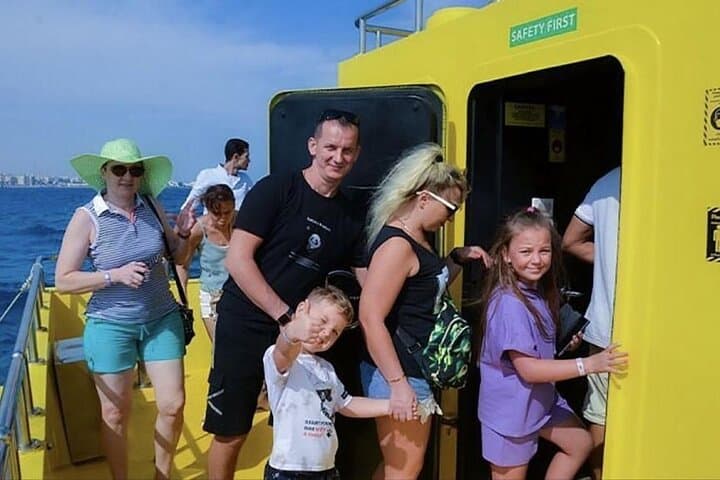
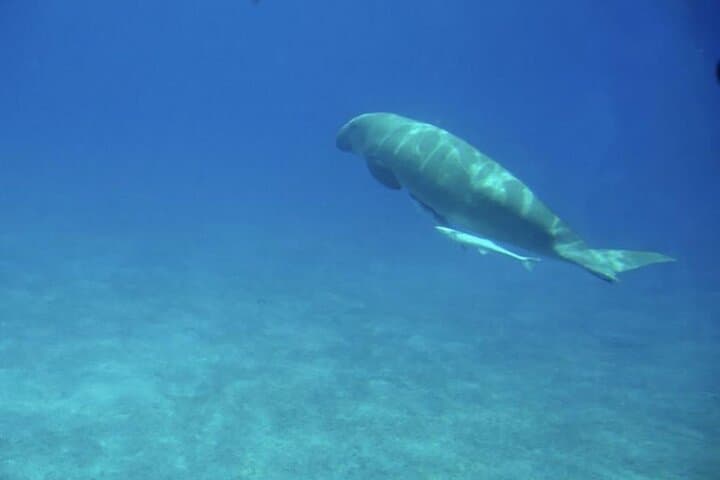
You step down the gangway into an air-conditioned cabin and the boat hums as it eases away from Hurghada’s busy harbor. Through large oval windows, the Red Sea slides past—coral gardens hovering below like living rockwork, parrotfish and tangs darting through branching staghorn. The observatory hull sits a few meters beneath the surface, offering a steady, fish-eye view without getting wet.
You step down the gangway into an air-conditioned cabin and the boat hums as it eases away from Hurghada’s busy harbor. Through large oval windows, the Red Sea slides past—coral gardens hovering below like living rockwork, parrotfish and tangs darting through branching staghorn. The observatory hull sits a few meters beneath the surface, offering a steady, fish-eye view without getting wet.
This stretch of the Red Sea sits on the Arabian-Nubian Shield and the wider rift basin; its clear, warm waters and high salinity support some of the world’s most colorful coral species. Hurghada itself grew from a small fishing town into a gateway for diving in the 20th century, and day operators here blend modern safety briefings with local knowledge of seasonal currents.
The semi-submarine portion is family-friendly and ideal for anyone who wants underwater views without scuba certification. The itinerary typically pairs the submerged observatory with a short snorkel stop at a shallow reef to see corals and reef fish up close.
Practically: book morning runs for calmer seas and better visibility, expect about two hours total including transfers, and listen to the pre-departure safety briefing. Bring reef-safe sunscreen, a light wind layer, and a camera with a polarizing filter if you want clearer shots through glass. Motion sensitivity is low but possible for those prone to seasickness; anti-nausea measures are a good precaution.
The cruise is an accessible, low-effort way to encounter Red Sea reefs and makes a solid complement to snorkeling or a full-day dive if you plan to explore more.