THE ADVENTURE COLLECTIVE® · Independent discovery and booking for outdoor travel

Rise above Hurghada’s shoreline and see the Red Sea’s reefs and bays from up to 50 meters. This quick, accessible parasailing trip includes transfers and trained crew—ideal for first-time flyers who want a dramatic coastal perspective.
Rise above Hurghada’s shoreline and see the Red Sea’s reefs and bays from up to 50 meters. This quick, accessible parasailing trip includes transfers and trained crew—ideal for first-time flyers who want a dramatic coastal perspective.
The boat pushes off from a sun-baked pier and the Red Sea opens like a challenge: wind tugs at the chute, waves flash turquoise, and within moments you're rising—50 meters above Hurghada’s coastline—suspended between sea and sky.
Verified experiences and guided adventures in the surrounding area.
Operated by Mohamed Rabea · Hurghada, Red Sea Governorate
The boat pushes off from a sun-baked pier and the Red Sea opens like a challenge: wind tugs at the chute, waves flash turquoise, and within moments you're rising—50 meters above Hurghada’s coastline—suspended between sea and sky.
The Red Sea is a rift-formed basin whose clear, warm waters have hosted seafarers and coral communities for millennia. Hurghada itself transformed from a modest fishing village into a modern resort town in the late 20th century; today its coastline is a gateway to reefs and offshore islands. From above you can see coral patches, sandy beaches, and the marina’s curve—human and natural landscapes braided together.
Culturally, parasailing sits at the intersection of local maritime skills and global tourism: crews are experienced with coastal conditions and English is common at operators; remember to respect local modesty onshore. Geologically, the shallow reefs that color the sea are living structures—avoid touching or dropping items that could damage them.
Practical guidance: the whole activity runs about two hours including transfers; airborne time is typically 5–7 minutes. Life jackets and trained crew are provided; operators will assess weight for single or tandem flights. Bring a camera with a secure strap or a waterproof case, apply reef-safe sunscreen, and expect wind-chill higher up—take a light layer for cooler months. Morning and late-afternoon slots offer smoother water and softer light for photos. If you have heart conditions or are pregnant, this is not recommended.
Parasailing in Hurghada is brief but vivid: a sharp, clean exposure to the Red Sea’s colors and the coastal skyline—easy to book, easy to enjoy, and easy to remember.
easy.
2 hours.
Suitable for most fitness levels; requires stepping on/off a speedboat and basic mobility to board.
Typical airborne time is 5–7 minutes; total activity including transfers and boat time is approximately 2 hours.
Licensed operators provide life jackets and trained crews; it is generally safe for healthy individuals, but not recommended for those with heart conditions or pregnant guests.
Yes—this tour includes pick-up and drop-off from Hurghada in air-conditioned vehicles as described in the listing.
Yes—tandem flights are common and allowed when combined passenger weight falls within the operator’s safety limits; check during booking.
The Red Sea’s reefs formed along the Arabian-Nubian Shield and have supported coastal communities; Hurghada expanded rapidly in the late 20th century as tourism developed.
Operators and visitors should avoid touching reef and use reef-safe sunscreens; local marine parks and NGOs run reef protection programs and responsible-tourism guidelines.
Mohamed Rabea operates guided outdoor trips and adventures with an emphasis on safety, stewardship, and memorable experiences.
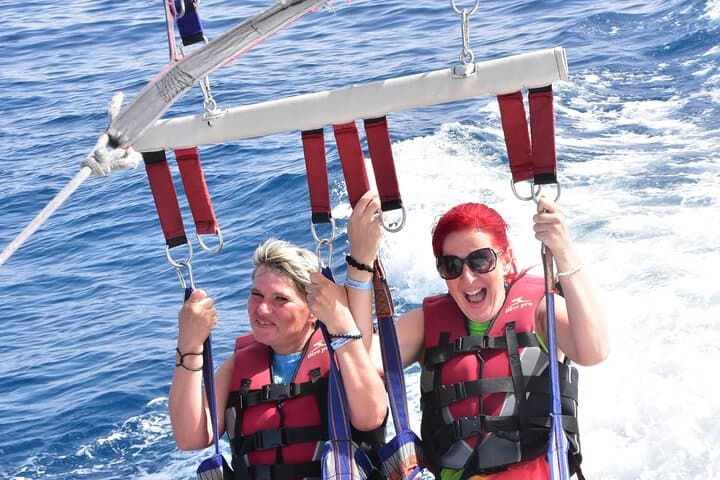
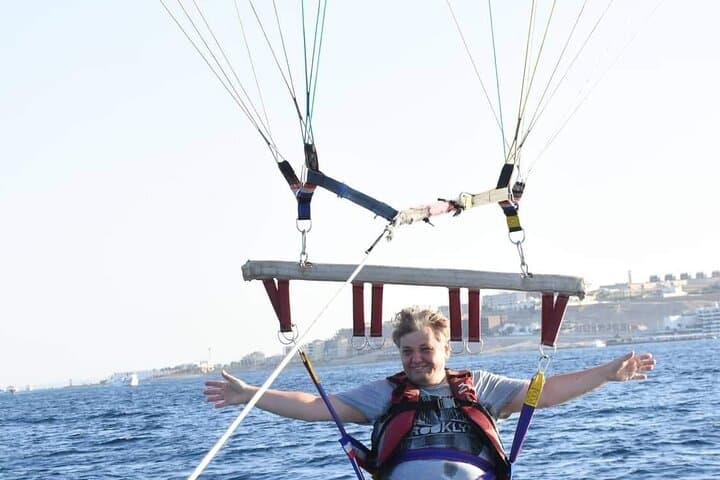
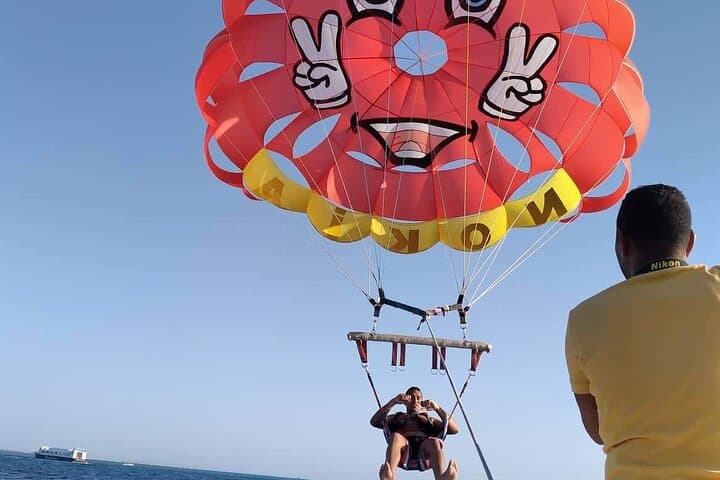
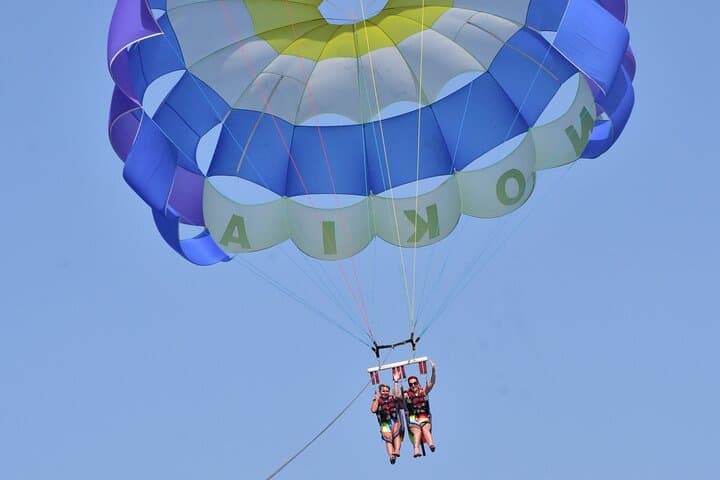
The boat pushes off from a sun-baked pier and the Red Sea opens like a challenge: wind tugs at the chute, waves flash turquoise, and within moments you're rising—50 meters above Hurghada’s coastline—suspended between sea and sky.
The boat pushes off from a sun-baked pier and the Red Sea opens like a challenge: wind tugs at the chute, waves flash turquoise, and within moments you're rising—50 meters above Hurghada’s coastline—suspended between sea and sky.
The Red Sea is a rift-formed basin whose clear, warm waters have hosted seafarers and coral communities for millennia. Hurghada itself transformed from a modest fishing village into a modern resort town in the late 20th century; today its coastline is a gateway to reefs and offshore islands. From above you can see coral patches, sandy beaches, and the marina’s curve—human and natural landscapes braided together.
Culturally, parasailing sits at the intersection of local maritime skills and global tourism: crews are experienced with coastal conditions and English is common at operators; remember to respect local modesty onshore. Geologically, the shallow reefs that color the sea are living structures—avoid touching or dropping items that could damage them.
Practical guidance: the whole activity runs about two hours including transfers; airborne time is typically 5–7 minutes. Life jackets and trained crew are provided; operators will assess weight for single or tandem flights. Bring a camera with a secure strap or a waterproof case, apply reef-safe sunscreen, and expect wind-chill higher up—take a light layer for cooler months. Morning and late-afternoon slots offer smoother water and softer light for photos. If you have heart conditions or are pregnant, this is not recommended.
Parasailing in Hurghada is brief but vivid: a sharp, clean exposure to the Red Sea’s colors and the coastal skyline—easy to book, easy to enjoy, and easy to remember.