THE ADVENTURE COLLECTIVE® · Independent discovery and booking for outdoor travel

Launch above Hurghada’s shimmering Red Sea on a short, adrenaline-tinged parasail flight with hotel transfer included. Expect 7–10 minutes airborne, certified crew, and wide coastal views—ideal for travelers seeking a quick, high-reward water activity.
Launch above Hurghada’s shimmering Red Sea on a short, adrenaline-tinged parasail flight with hotel transfer included. Expect 7–10 minutes airborne, certified crew, and wide coastal views—ideal for travelers seeking a quick, high-reward water activity.
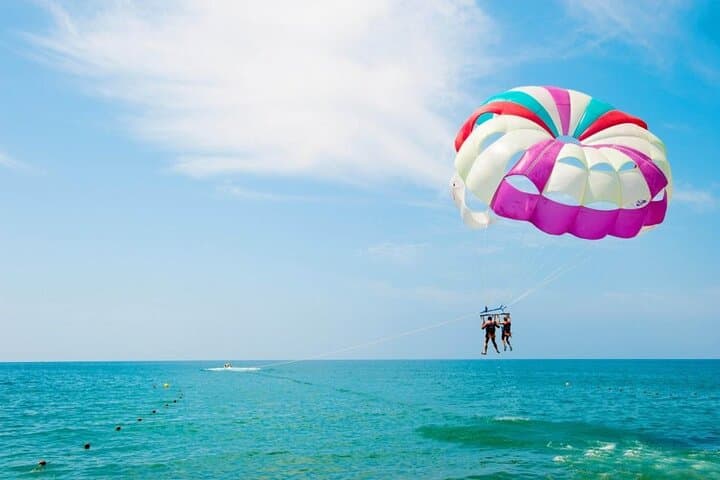
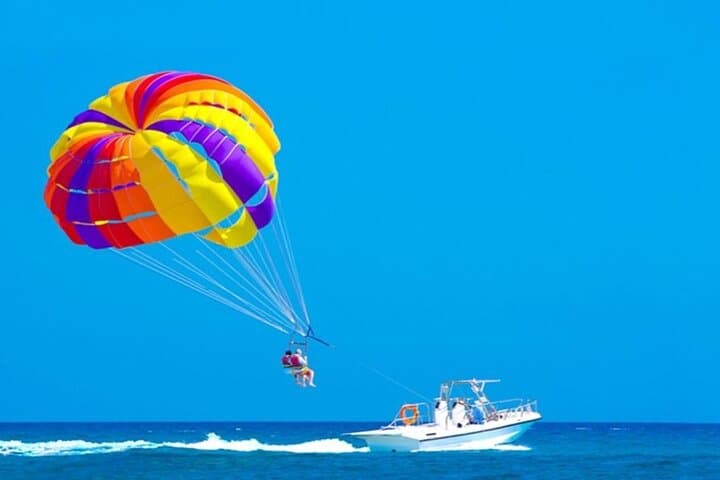
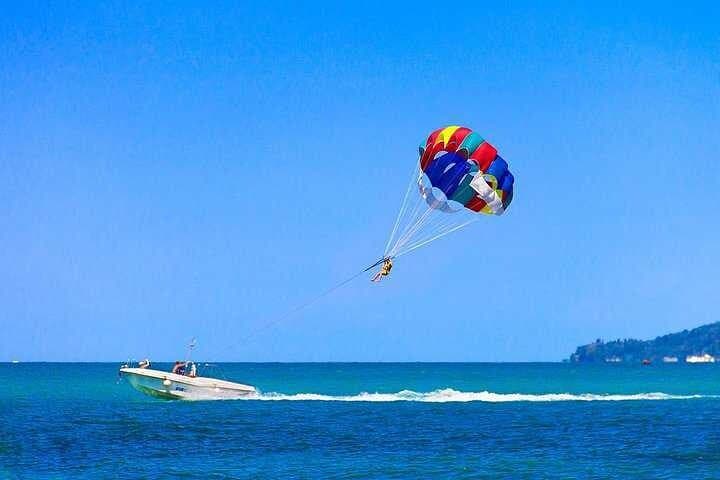
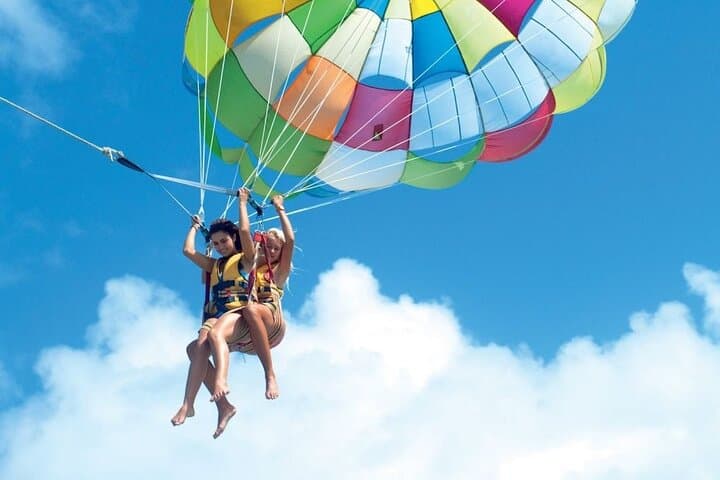
The boat slips away from the Hurghada Marina and the shoreline pulls back into a low ribbon of hotels; the wind tugs at the chute and, within moments, the city shrinks beneath you. At 40–50 meters (about 130–165 feet), the Red Sea spreads like a polished sheet, the coral-studded shallows shifting from turquoise to lapis as depth increases. The sea feels purposeful here—the current steering boats, the thermals lifting the parachute—each element offering its own invitation to rise.
Verified experiences and guided adventures in the surrounding area.
Operated by Travex Tour · Hurghada, Red Sea
The boat slips away from the Hurghada Marina and the shoreline pulls back into a low ribbon of hotels; the wind tugs at the chute and, within moments, the city shrinks beneath you. At 40–50 meters (about 130–165 feet), the Red Sea spreads like a polished sheet, the coral-studded shallows shifting from turquoise to lapis as depth increases. The sea feels purposeful here—the current steering boats, the thermals lifting the parachute—each element offering its own invitation to rise.
Hurghada was a small fishing village until the late 20th century when coastal development opened it to international diving and water sports. Geologically, the Red Sea is a young rift basin; the steep drop-offs and fringing reefs you hover over are products of tectonic separation and coral growth. Local culture leans practical and tourist-ready: marinas, crews fluent in multiple languages, and a port-side rhythm aimed at safe, repeatable experiences.
Practicalities are straightforward. The operator provides certified safety gear and a short briefing; flights last 7–10 minutes, and the full transfer-and-activity window is roughly 1–2 hours. Pay attention to posted weight limits (doubles capped), and disclose health conditions—parasailing isn’t recommended for those with spinal, cardiovascular, or pregnancy concerns. Early morning or late afternoon launches reduce glare and heat; mid-summer afternoons are hottest and often windier. Bring reef-safe sunscreen, secure sunglasses, and a light layer for the ride back. With trained crew, inspected equipment, and hotel pick-up, this is a high-adrenaline, low-prep way to see Hurghada from a clean, aerial perspective.
easy.
1–2 hours.
Suitable for all fitness levels; no prior experience required but must be able to sit and hold for a short flight.
Flights are typically 7–10 minutes; the full activity with transfers and briefing takes about 1–2 hours.
Operators commonly limit combined weight for doubles—around 150 kg (330 lbs); disclose weights when booking to confirm eligibility.
Parasailing is not recommended for those with spinal injuries, recent surgery, heart conditions, or pregnancy; check with the operator and a physician if unsure.
Yes—hotel pick-up and drop-off are offered; you’ll specify pickup point when booking and receive instructions on timing and meeting location.
Hurghada grew from a fishing village into an international diving and resort hub in the late 20th century, driven by Red Sea tourism and infrastructure development.
The Red Sea’s coral reefs are sensitive; choose operators that follow no-anchor practices and advise reef-safe sunscreen to reduce damage.
Travex Tour operates guided outdoor trips and adventures with an emphasis on safety, stewardship, and memorable experiences.
The boat slips away from the Hurghada Marina and the shoreline pulls back into a low ribbon of hotels; the wind tugs at the chute and, within moments, the city shrinks beneath you. At 40–50 meters (about 130–165 feet), the Red Sea spreads like a polished sheet, the coral-studded shallows shifting from turquoise to lapis as depth increases. The sea feels purposeful here—the current steering boats, the thermals lifting the parachute—each element offering its own invitation to rise.
The boat slips away from the Hurghada Marina and the shoreline pulls back into a low ribbon of hotels; the wind tugs at the chute and, within moments, the city shrinks beneath you. At 40–50 meters (about 130–165 feet), the Red Sea spreads like a polished sheet, the coral-studded shallows shifting from turquoise to lapis as depth increases. The sea feels purposeful here—the current steering boats, the thermals lifting the parachute—each element offering its own invitation to rise.
Hurghada was a small fishing village until the late 20th century when coastal development opened it to international diving and water sports. Geologically, the Red Sea is a young rift basin; the steep drop-offs and fringing reefs you hover over are products of tectonic separation and coral growth. Local culture leans practical and tourist-ready: marinas, crews fluent in multiple languages, and a port-side rhythm aimed at safe, repeatable experiences.
Practicalities are straightforward. The operator provides certified safety gear and a short briefing; flights last 7–10 minutes, and the full transfer-and-activity window is roughly 1–2 hours. Pay attention to posted weight limits (doubles capped), and disclose health conditions—parasailing isn’t recommended for those with spinal, cardiovascular, or pregnancy concerns. Early morning or late afternoon launches reduce glare and heat; mid-summer afternoons are hottest and often windier. Bring reef-safe sunscreen, secure sunglasses, and a light layer for the ride back. With trained crew, inspected equipment, and hotel pick-up, this is a high-adrenaline, low-prep way to see Hurghada from a clean, aerial perspective.