THE ADVENTURE COLLECTIVE® · Independent discovery and booking for outdoor travel

Fly from Hurghada to Cairo and spend a full day at the Giza Plateau and the Egyptian Museum. See the Great Pyramid and Tutankhamun’s treasures with an expert guide, then return to Hurghada the same evening.
Fly from Hurghada to Cairo and spend a full day at the Giza Plateau and the Egyptian Museum. See the Great Pyramid and Tutankhamun’s treasures with an expert guide, then return to Hurghada the same evening.
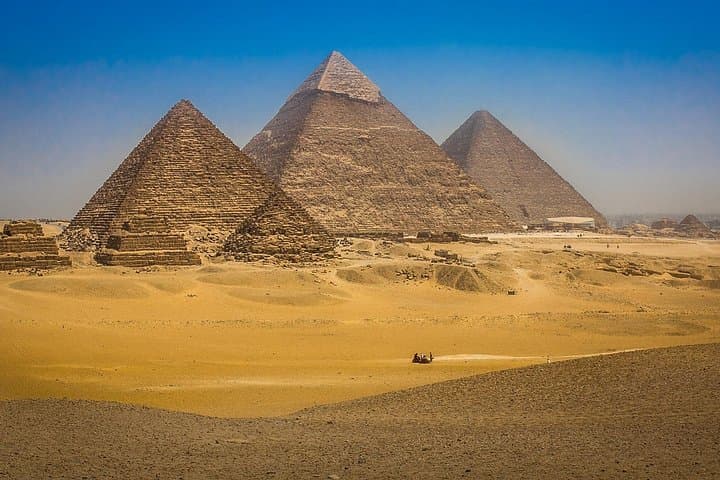
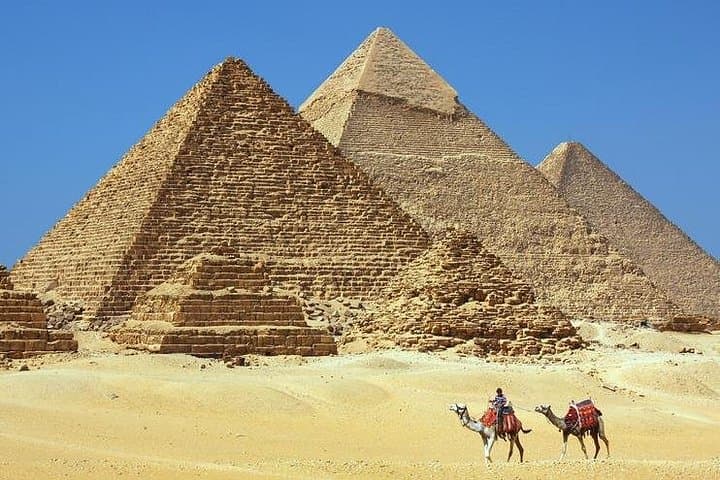
You land back on solid ground with the desert pulling at the edges of the runway—a pale horizon that seems to hold both wind and time. Within hours you are standing at the base of the Great Pyramid, stone faces older than most nations pressing the air into a hush; the Sphinx watches, patient and weathered, as tour groups move like tides around its paws.
Verified experiences and guided adventures in the surrounding area.
Operated by Hurghada Tours Plus · Giza, Cairo Governorate
You land back on solid ground with the desert pulling at the edges of the runway—a pale horizon that seems to hold both wind and time. Within hours you are standing at the base of the Great Pyramid, stone faces older than most nations pressing the air into a hush; the Sphinx watches, patient and weathered, as tour groups move like tides around its paws.
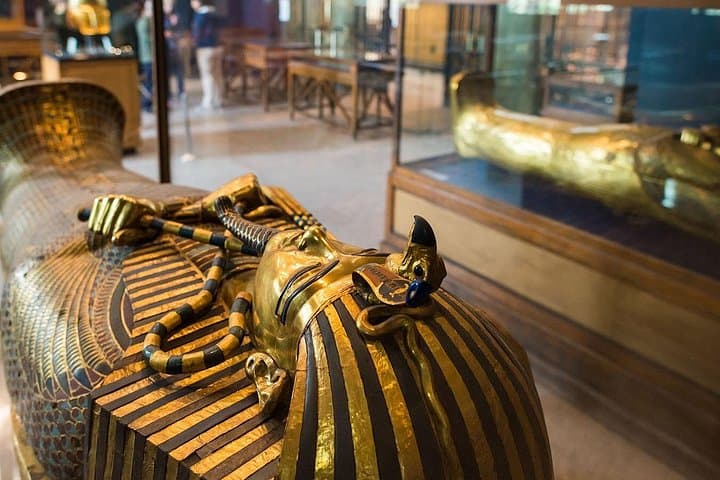
The Giza Plateau sits on limestone bedrock shaped by the Nile’s ancient reach and millennia of human hands. These monuments record funerary architecture, Old Kingdom engineering and the centralized power of pharaonic civilization. Later, in the Egyptian Museum, gilded artifacts from Tutankhamun and rows of statuary trace a through-line of rituals, burial practices, and evolving artistic codes that defined ancient Egypt.
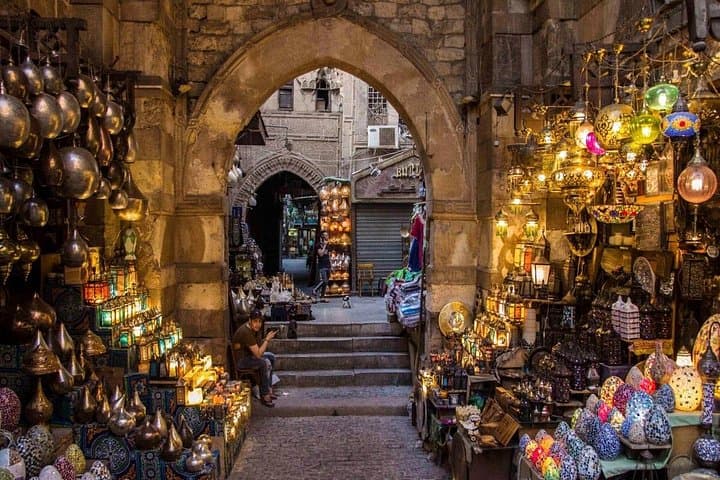
Local culture is immediate: camel handlers, market vendors and the cadence of modern Cairo nearby. The contrast between open desert vistas and the museum’s air‑conditioned halls is part of the day’s rhythm—vast, then intimate.
Practical guidance: expect a full 12‑hour day with airport transfers, mid‑day heat and uneven footing on the plateau; wear sturdy shoes, carry a hat and water, and keep your passport handy for domestic flights. If you plan a felucca on the Nile, factor in time and weather. Book an Egyptologist guide to add archaeological context and skip common misconceptions; they’ll point out construction techniques and read inscriptions that are easy to miss.
This is a compact yet comprehensive way to experience Egypt’s headline sites in a single, thoughtful day—best booked with clear pickup logistics and realistic expectations about crowds and walking surfaces.
easy.
12 hours.
Suitable for most fitness levels; requires standing and walking on uneven ground for several hours.
Expect about 12 hours door‑to‑door: morning flight to Cairo, guided stops at Giza and the Egyptian Museum, lunch, possible short Nile ride, and evening return flight.
Options vary—this tour can include entrance fees to the Pyramids and the Egyptian Museum if selected; confirm at booking.
Yes; the itinerary is rated easy with transfers and short walks, but those with mobility issues should notify the operator for assistance.
Yes—short felucca rides are often available as an optional add‑on depending on timing and weather.
The Giza pyramids date to Egypt’s Old Kingdom (c. 2600–2500 BCE), while the Egyptian Museum in Cairo houses artifacts spanning millennia, including King Tutankhamun’s 1922 discovery treasures.
The plateau and museum face preservation challenges from air pollution, tourism pressure and urban encroachment; follow site rules, avoid touching antiquities and choose licensed guides who support conservation practices.
Hurghada Tours Plus operates guided outdoor trips and adventures with an emphasis on safety, stewardship, and memorable experiences.
You land back on solid ground with the desert pulling at the edges of the runway—a pale horizon that seems to hold both wind and time. Within hours you are standing at the base of the Great Pyramid, stone faces older than most nations pressing the air into a hush; the Sphinx watches, patient and weathered, as tour groups move like tides around its paws.
You land back on solid ground with the desert pulling at the edges of the runway—a pale horizon that seems to hold both wind and time. Within hours you are standing at the base of the Great Pyramid, stone faces older than most nations pressing the air into a hush; the Sphinx watches, patient and weathered, as tour groups move like tides around its paws.
The Giza Plateau sits on limestone bedrock shaped by the Nile’s ancient reach and millennia of human hands. These monuments record funerary architecture, Old Kingdom engineering and the centralized power of pharaonic civilization. Later, in the Egyptian Museum, gilded artifacts from Tutankhamun and rows of statuary trace a through-line of rituals, burial practices, and evolving artistic codes that defined ancient Egypt.
Local culture is immediate: camel handlers, market vendors and the cadence of modern Cairo nearby. The contrast between open desert vistas and the museum’s air‑conditioned halls is part of the day’s rhythm—vast, then intimate.
Practical guidance: expect a full 12‑hour day with airport transfers, mid‑day heat and uneven footing on the plateau; wear sturdy shoes, carry a hat and water, and keep your passport handy for domestic flights. If you plan a felucca on the Nile, factor in time and weather. Book an Egyptologist guide to add archaeological context and skip common misconceptions; they’ll point out construction techniques and read inscriptions that are easy to miss.
This is a compact yet comprehensive way to experience Egypt’s headline sites in a single, thoughtful day—best booked with clear pickup logistics and realistic expectations about crowds and walking surfaces.