THE ADVENTURE COLLECTIVE® · Independent discovery and booking for outdoor travel

Ride the Eastern Desert at the hour the sun bends the sand to gold. This two-hour sunrise or sunset horse safari from Hurghada offers easy-paced desert riding, local guide insight, and coastal views just beyond the resort strip.
Ride the Eastern Desert at the hour the sun bends the sand to gold. This two-hour sunrise or sunset horse safari from Hurghada offers easy-paced desert riding, local guide insight, and coastal views just beyond the resort strip.
Morning or evening light flattens the desert—cool shadows stretch across hard-packed sand as a row of horses tests the horizon. On a two-hour horse safari outside Hurghada you ride where the Red Sea’s salt air meets the Eastern Desert: a landscape of low dunes, scrub, and tracks once used by local herders.
Verified experiences and guided adventures in the surrounding area.
Operated by Camel Ride at Giza Pyramids · Hurghada, Red Sea Governorate
Morning or evening light flattens the desert—cool shadows stretch across hard-packed sand as a row of horses tests the horizon. On a two-hour horse safari outside Hurghada you ride where the Red Sea’s salt air meets the Eastern Desert: a landscape of low dunes, scrub, and tracks once used by local herders.
The region around Hurghada began as a fishing village on Egypt’s Red Sea coast; today the desert beyond the shoreline carries traces of that coastal economy and centuries of Bedouin travel. Geologically the terrain is a mix of wind-scoured sand and compacted alluvial plains with occasional rocky outcrops; vegetation is sparse but adapted, and migratory birds use the corridor along the coast.
Guides—often local riders familiar with Bedouin routes—lead small private groups at a steady pace suitable for beginners. Expect mostly flat riding with brief trots on firmer ground and gentle climbs on dune edges that open into long views of the sea or desert. Wildlife sightings can include desert foxes at dawn, lizards warming on rocks, and flocks of shore birds along the coast.
Practical notes: tours run at sunrise or sunset to avoid midday heat, include hotel pickup and bottled water, and last about 120 minutes. Wear closed-toe shoes, sun protection, and bring a light layer for wind at sunset. Riders with spinal or cardiovascular conditions and pregnant travelers should avoid this trip. For photographers, low light is ideal—bring a strap and keep gear secure for sandy conditions.
easy.
2 hours.
Suitable for riders of basic fitness; no advanced conditioning required but you should be able to mount, sit in the saddle for two hours, and walk short distances off-horse.
No—tours are paced for beginners and intermediate riders with guides adjusting speed and gait to group comfort.
Yes—private transfers are offered and typically included as part of the tour package.
The operator notes the ride is not recommended for pregnant travelers or those with serious spinal or cardiovascular conditions; infants may require special seating arrangements.
Use a secure strap or small bag; sunrise and sunset provide the best light, but sand and wind can damage unprotected equipment.
Hurghada began as a small fishing community on the Red Sea; the surrounding desert contains traditional Bedouin routes and coastal trade paths used for centuries.
Stick to established tracks to avoid damaging fragile desert vegetation and pack out all trash; water is scarce—use only what’s provided or needed.
Camel Ride at Giza Pyramids operates guided outdoor trips and adventures with an emphasis on safety, stewardship, and memorable experiences.
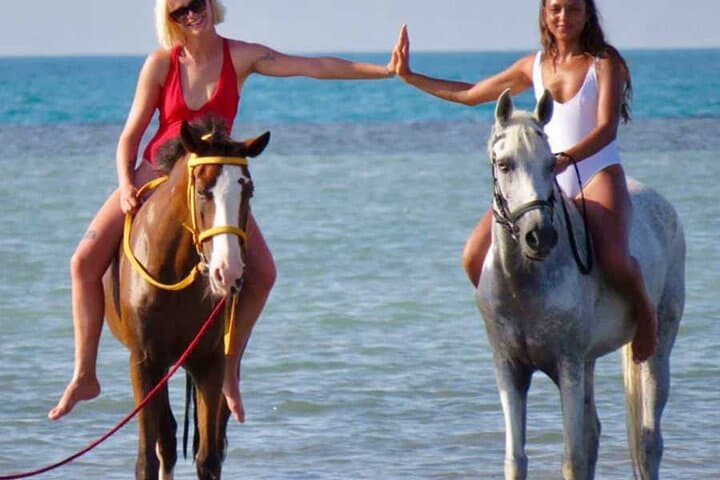
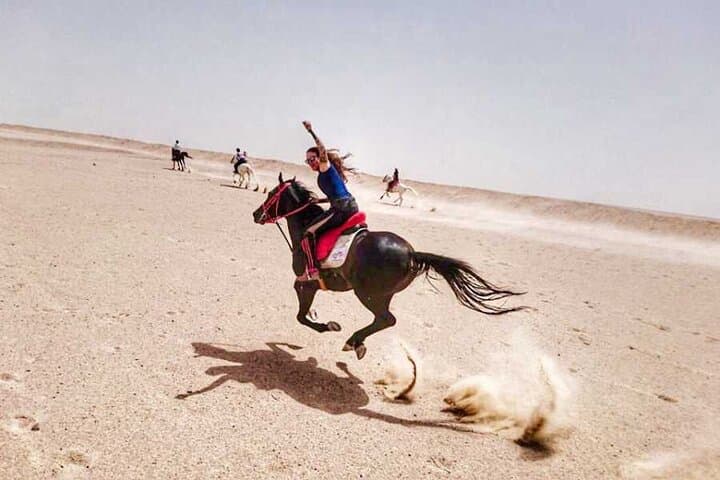
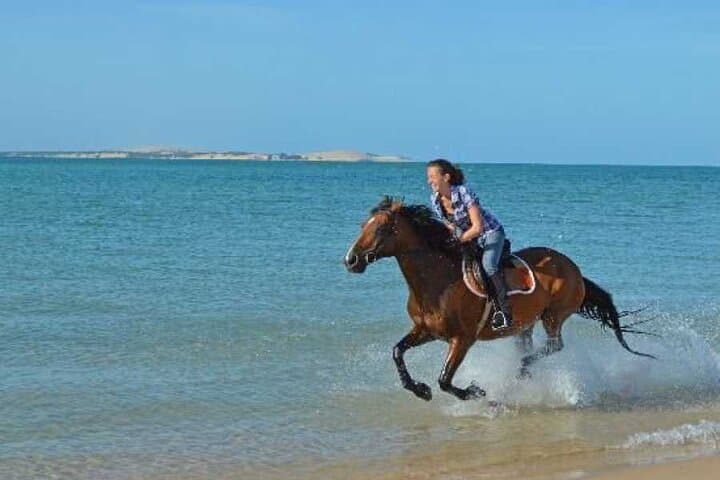
Morning or evening light flattens the desert—cool shadows stretch across hard-packed sand as a row of horses tests the horizon. On a two-hour horse safari outside Hurghada you ride where the Red Sea’s salt air meets the Eastern Desert: a landscape of low dunes, scrub, and tracks once used by local herders.
Morning or evening light flattens the desert—cool shadows stretch across hard-packed sand as a row of horses tests the horizon. On a two-hour horse safari outside Hurghada you ride where the Red Sea’s salt air meets the Eastern Desert: a landscape of low dunes, scrub, and tracks once used by local herders.
The region around Hurghada began as a fishing village on Egypt’s Red Sea coast; today the desert beyond the shoreline carries traces of that coastal economy and centuries of Bedouin travel. Geologically the terrain is a mix of wind-scoured sand and compacted alluvial plains with occasional rocky outcrops; vegetation is sparse but adapted, and migratory birds use the corridor along the coast.
Guides—often local riders familiar with Bedouin routes—lead small private groups at a steady pace suitable for beginners. Expect mostly flat riding with brief trots on firmer ground and gentle climbs on dune edges that open into long views of the sea or desert. Wildlife sightings can include desert foxes at dawn, lizards warming on rocks, and flocks of shore birds along the coast.
Practical notes: tours run at sunrise or sunset to avoid midday heat, include hotel pickup and bottled water, and last about 120 minutes. Wear closed-toe shoes, sun protection, and bring a light layer for wind at sunset. Riders with spinal or cardiovascular conditions and pregnant travelers should avoid this trip. For photographers, low light is ideal—bring a strap and keep gear secure for sandy conditions.