THE ADVENTURE COLLECTIVE® · Independent discovery and booking for outdoor travel

Step into a climate‑controlled marine world showcasing Red Sea species across 22 exhibits. This three‑hour visit blends accessible displays, conservation programs and a clear primer on why the Red Sea’s reefs matter.
Step into a climate‑controlled marine world showcasing Red Sea species across 22 exhibits. This three‑hour visit blends accessible displays, conservation programs and a clear primer on why the Red Sea’s reefs matter.
You step off the air-conditioned coach into a low roar of water and light—corridors lined with glass tanks where schools of fish wheel like living mosaics and stingrays glide as if reading the room.
Verified experiences and guided adventures in the surrounding area.
Operated by EMO TOURS EGYPT · Hurghada, Red Sea Governorate
You step off the air-conditioned coach into a low roar of water and light—corridors lined with glass tanks where schools of fish wheel like living mosaics and stingrays glide as if reading the room.
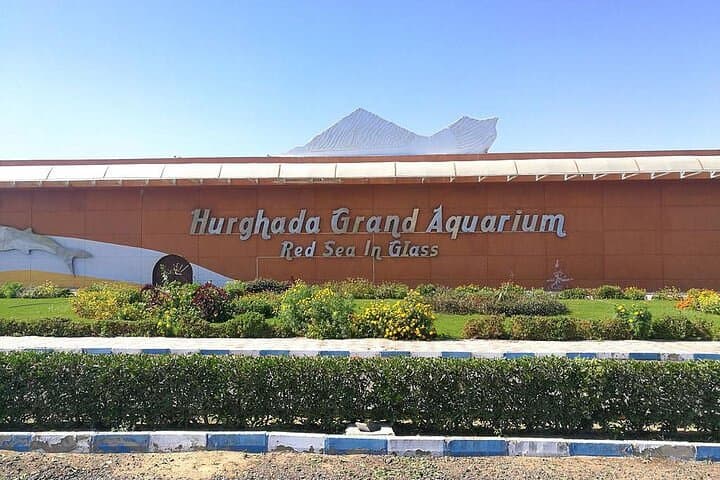
The Hurghada Grand Aquarium brings a slice of the Red Sea to town: more than 1,200 animals representing over 1,000 species across 22 exhibits, from reef dwellers to deeper-water predators. The displays pull together geology and culture—coral forms that grew on volcanic seabeds, species shaped by the Red Sea’s high salinity and warm current, and a local commitment to protecting what coastal fishermen and Bedouin communities have long relied on.
Behind the scenes, the center runs breeding and rehabilitation programs aimed at vulnerable species and uses educational exhibits to explain reef ecology and human impacts. That mix of science and spectacle makes the aquarium both a family-friendly stop and a primer on why the Red Sea’s coral systems matter.
Practically: the typical visit is about three hours with hotel pickup and drop-off included on organized tours. Expect flat, accessible pathways, climate‑controlled galleries and short interpretive signs in English. The busiest times are late morning and early afternoon; aim for early opening or late afternoon to avoid groups.
Bring a camera, comfortable shoes for walking, and time to sit by the larger tanks and watch feeding windows; the slow choreography of a feeding can teach you more than a dozen plaques. For travelers interested in marine conservation, combine the visit with a Red Sea snorkeling trip to see the corals in their natural, moving element.
easy.
3 hours.
Suitable for all fitness levels—mostly walking on flat surfaces; accessible routes for strollers and some wheelchairs.
Most organized visits and self-guided tours last about three hours, allowing time for exhibits and any scheduled feedings or talks.
Many tour options include private A/C transfers from Hurghada hotels—confirm pickup point and timing when booking.
Yes, the aquarium participates in breeding and rehabilitation programs and runs educational displays on Red Sea ecology.
Yes — pathways are generally flat and accessible, though some areas may have short stair sections; infant seats and accessibility options vary by tour operator.
The Red Sea has been a trade and fishing corridor for millennia; the aquarium interprets species found in local reefs that coastal communities have used for generations.
The center runs breeding and rehabilitation efforts and emphasizes visitor education to reduce demand for damaging practices and support reef-friendly tourism.
EMO TOURS EGYPT operates guided outdoor trips and adventures with an emphasis on safety, stewardship, and memorable experiences.
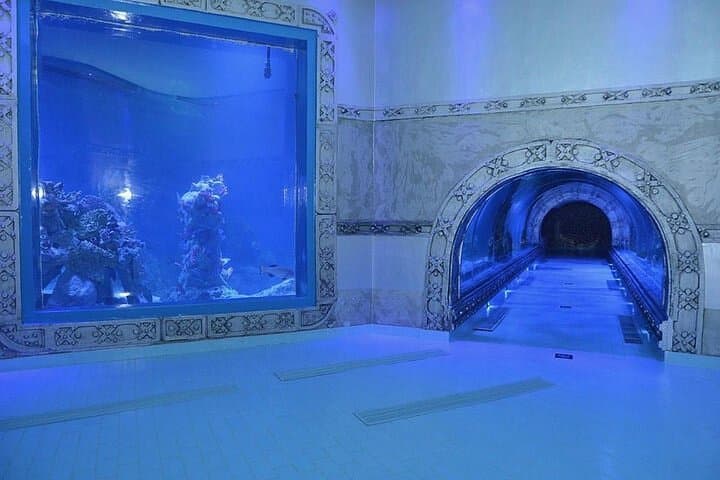
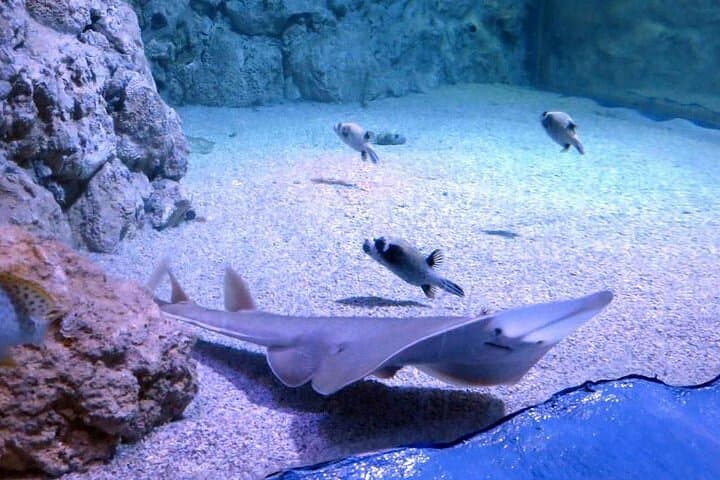
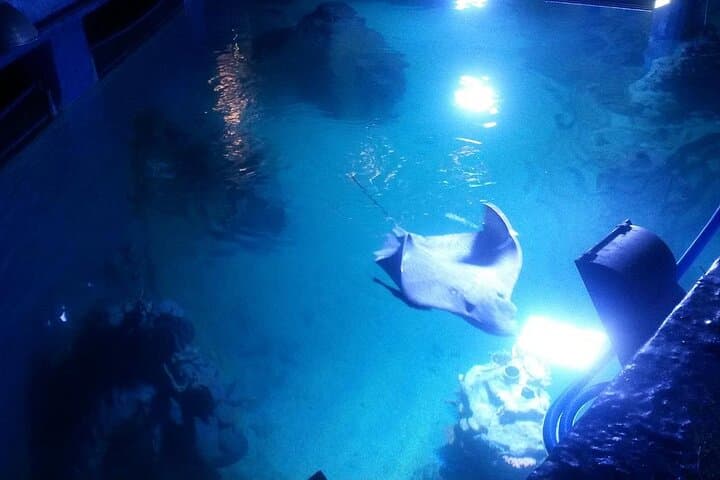
You step off the air-conditioned coach into a low roar of water and light—corridors lined with glass tanks where schools of fish wheel like living mosaics and stingrays glide as if reading the room.
You step off the air-conditioned coach into a low roar of water and light—corridors lined with glass tanks where schools of fish wheel like living mosaics and stingrays glide as if reading the room.
The Hurghada Grand Aquarium brings a slice of the Red Sea to town: more than 1,200 animals representing over 1,000 species across 22 exhibits, from reef dwellers to deeper-water predators. The displays pull together geology and culture—coral forms that grew on volcanic seabeds, species shaped by the Red Sea’s high salinity and warm current, and a local commitment to protecting what coastal fishermen and Bedouin communities have long relied on.
Behind the scenes, the center runs breeding and rehabilitation programs aimed at vulnerable species and uses educational exhibits to explain reef ecology and human impacts. That mix of science and spectacle makes the aquarium both a family-friendly stop and a primer on why the Red Sea’s coral systems matter.
Practically: the typical visit is about three hours with hotel pickup and drop-off included on organized tours. Expect flat, accessible pathways, climate‑controlled galleries and short interpretive signs in English. The busiest times are late morning and early afternoon; aim for early opening or late afternoon to avoid groups.
Bring a camera, comfortable shoes for walking, and time to sit by the larger tanks and watch feeding windows; the slow choreography of a feeding can teach you more than a dozen plaques. For travelers interested in marine conservation, combine the visit with a Red Sea snorkeling trip to see the corals in their natural, moving element.