THE ADVENTURE COLLECTIVE® · Independent discovery and booking for outdoor travel

Throttle across wind-shaped dunes, then slow to the hum of a Bedouin village tea ceremony. This family-friendly Hurghada safari mixes quad and buggy runs with cultural stops for a full, six-hour desert day.
Throttle across wind-shaped dunes, then slow to the hum of a Bedouin village tea ceremony. This family-friendly Hurghada safari mixes quad and buggy runs with cultural stops for a full, six-hour desert day.
The sun is a low, hard coin when the convoy rolls off the paved road and onto sand that seems to move under the wheels. You feel the dune rise and fall like a living thing, daring you to push the throttle. For families this is kinetic theater: 45 minutes on a quad, a 15–20 minute spider car blast, then a jeep ride to a Bedouin village where the day slows to the rhythm of tea, bread and stories.
Verified experiences and guided adventures in the surrounding area.
Operated by Get Your Trip · Hurghada, Red Sea Governorate
The sun is a low, hard coin when the convoy rolls off the paved road and onto sand that seems to move under the wheels. You feel the dune rise and fall like a living thing, daring you to push the throttle. For families this is kinetic theater: 45 minutes on a quad, a 15–20 minute spider car blast, then a jeep ride to a Bedouin village where the day slows to the rhythm of tea, bread and stories.
The Red Sea’s eastern deserts have long been crossroads: trade routes, nomadic grazing grounds and Bedouin camps that adapted to scarce water and sharp light. Geologically the area is wind-sculpted limestone and sand—dune fields interrupted by rocky outcrops that catch wind and shadow. Culturally, a village visit offers a practical window into Bedouin life: camel handling, traditional tea service and flatbread baked in a sand oven.
Practical guidance: tours run about six hours including hotel transfer, so expect early pickup and midday heat. Wear closed-toe shoes and long sleeves to limit sand abrasion; carry 1–2 liters of water per person and sunscreen. Kids enjoy the ride but sitters or restraint rules apply—follow guides and safety briefings. The terrain is loose sand and occasional compacted tracks; drivers will choose lines to minimize environmental impact.
Timing matters: morning departures keep temperatures comfortable; late-afternoon trips bring golden light for photos. Respect the village—ask before photographing people and buy a small craft if you can. The desert is fragile: stay on designated routes, pack out trash and leave the landscape for the next family to feel the dunes’ pull.
moderate.
6 hours.
Suitable for average fitness; participants should be able to climb into vehicles and tolerate bumps for extended periods.
Yes—many families join; operators set age and seating limits for quads and buggies, but infants must sit on an adult’s lap for transfers and cannot participate in certain vehicles.
Yes; reputable operators supply helmets and a safety briefing before riding—inspect fit and ask for adjustments if needed.
The standard package includes hotel pickup/drop-off, air-conditioned transfer, quad/buggy rides, jeep transport to the Bedouin village, camel ride and refreshments like Bedouin tea and bread.
Generally yes, but always ask permission first—many hosts appreciate respectful requests and may allow staged photos for a small fee or purchase.
Bedouin tribes have inhabited Egypt’s eastern deserts for centuries, maintaining nomadic traditions of hospitality, storytelling and bread baking despite modern changes.
The desert ecosystem is fragile—drivers should stick to established tracks, avoid disturbing vegetation and pack out all waste to protect scarce water sources and wildlife.
Get Your Trip operates guided outdoor trips and adventures with an emphasis on safety, stewardship, and memorable experiences.
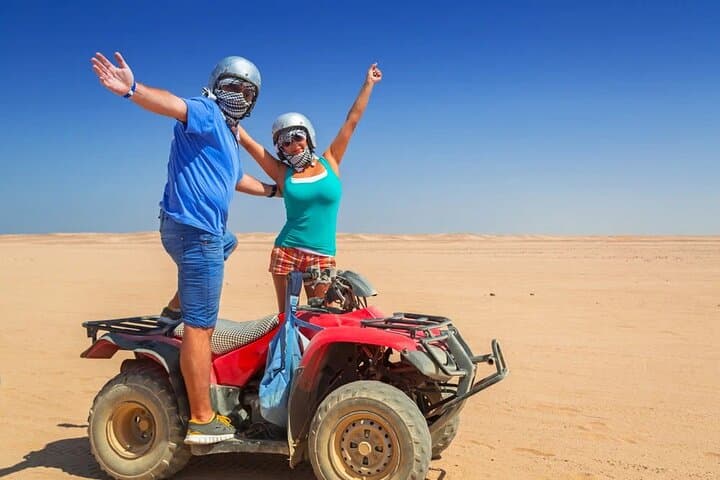
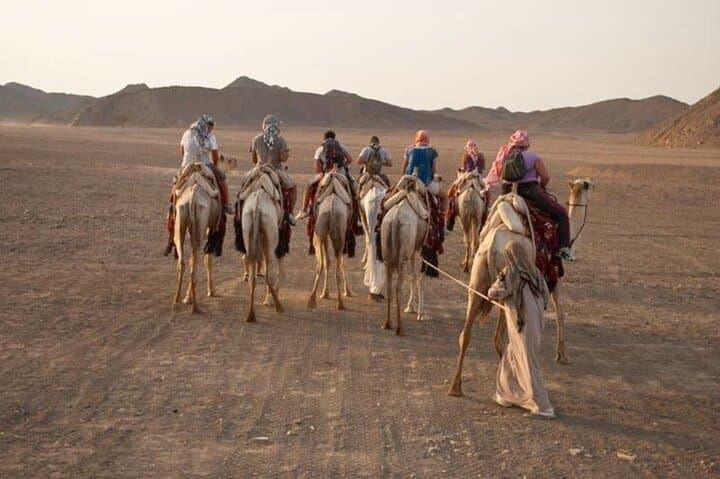
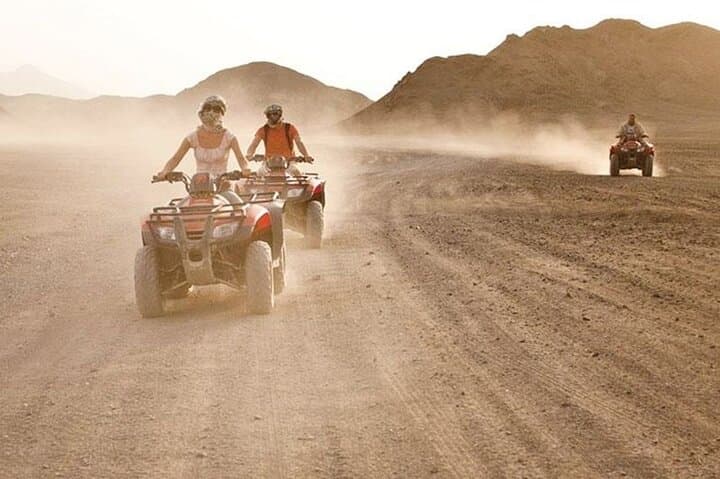
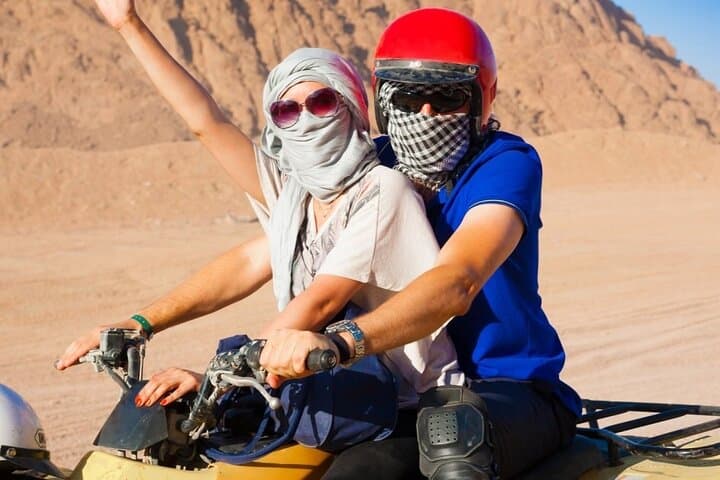
The sun is a low, hard coin when the convoy rolls off the paved road and onto sand that seems to move under the wheels. You feel the dune rise and fall like a living thing, daring you to push the throttle. For families this is kinetic theater: 45 minutes on a quad, a 15–20 minute spider car blast, then a jeep ride to a Bedouin village where the day slows to the rhythm of tea, bread and stories.
The sun is a low, hard coin when the convoy rolls off the paved road and onto sand that seems to move under the wheels. You feel the dune rise and fall like a living thing, daring you to push the throttle. For families this is kinetic theater: 45 minutes on a quad, a 15–20 minute spider car blast, then a jeep ride to a Bedouin village where the day slows to the rhythm of tea, bread and stories.
The Red Sea’s eastern deserts have long been crossroads: trade routes, nomadic grazing grounds and Bedouin camps that adapted to scarce water and sharp light. Geologically the area is wind-sculpted limestone and sand—dune fields interrupted by rocky outcrops that catch wind and shadow. Culturally, a village visit offers a practical window into Bedouin life: camel handling, traditional tea service and flatbread baked in a sand oven.
Practical guidance: tours run about six hours including hotel transfer, so expect early pickup and midday heat. Wear closed-toe shoes and long sleeves to limit sand abrasion; carry 1–2 liters of water per person and sunscreen. Kids enjoy the ride but sitters or restraint rules apply—follow guides and safety briefings. The terrain is loose sand and occasional compacted tracks; drivers will choose lines to minimize environmental impact.
Timing matters: morning departures keep temperatures comfortable; late-afternoon trips bring golden light for photos. Respect the village—ask before photographing people and buy a small craft if you can. The desert is fragile: stay on designated routes, pack out trash and leave the landscape for the next family to feel the dunes’ pull.