THE ADVENTURE COLLECTIVE® · Independent discovery and booking for outdoor travel

Charge into the Red Sea desert on a half-day safari that pairs 45-minute quad rides and spider car runs with camel riding, Bedouin tea and a barbecue dinner. Expect dune-and-rock terrain, sweeping light at golden hour, and a lively camp show to close the evening.
Charge into the Red Sea desert on a half-day safari that pairs 45-minute quad rides and spider car runs with camel riding, Bedouin tea and a barbecue dinner. Expect dune-and-rock terrain, sweeping light at golden hour, and a lively camp show to close the evening.
A late-afternoon sun slants low across ochre ridges as a line of quad bikes kicks up a plume of dust that smells faintly of salt and ancient rock. The Red Sea mountains loom dark and blunt on the horizon while the desert itself seems to push back—wind-swept dunes settling into new shapes as machines and riders move through them. This is Hurghada’s afternoon: equal parts adrenaline and atmosphere, a half-day loop that stitches together high-octane riding with slower, human moments around a Bedouin campfire.
Verified experiences and guided adventures in the surrounding area.
Operated by egypt white desert · Hurghada, Red Sea Governorate
A late-afternoon sun slants low across ochre ridges as a line of quad bikes kicks up a plume of dust that smells faintly of salt and ancient rock. The Red Sea mountains loom dark and blunt on the horizon while the desert itself seems to push back—wind-swept dunes settling into new shapes as machines and riders move through them. This is Hurghada’s afternoon: equal parts adrenaline and atmosphere, a half-day loop that stitches together high-octane riding with slower, human moments around a Bedouin campfire.
The landscape here is older than the shoreline resorts. Folded limestone and granite that form the Red Sea mountains were heaved up during tectonic shifts millions of years ago; today they offer broken ridgelines and open stony flats where dunes gather. Human history in the area is practical and mobile: Bedouin tribes followed water and grazing routes, trading tea and stories where travelers paused. Modern safari operators borrow routes once used by camel caravans, and the evening camp echoes that continuity—dinner, tea, and storytelling beneath a wide sky.
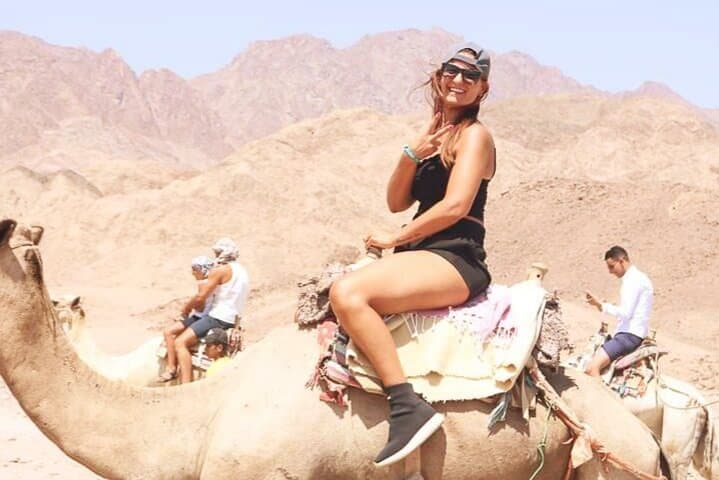
The excursion begins after noon with a short transfer by jeep to the safari center, then fragments into smaller stints: roughly 45 minutes on a quad bike through undulating desert trails, 45 minutes in a lightweight spider car ripping across sandy flats, and a quieter interlude for camel riding and Bedouin tea. The night closes with a barbecue dinner and an evening show before the return to Hurghada.
Practicalities matter: the terrain is a mix of compact sand, loose dunes and rocky tracks, so expect jostling and sudden changes in traction. Riders should be ready for sun, fine dust and heat—bring layers that zip on and off, a neck scarf to filter grit, and a hydration system. Operators provide helmets and basic instruction, but experience level changes how you enjoy the ride—beginners will appreciate slower stretches and steady guidance; experienced riders can push speed on open flats.
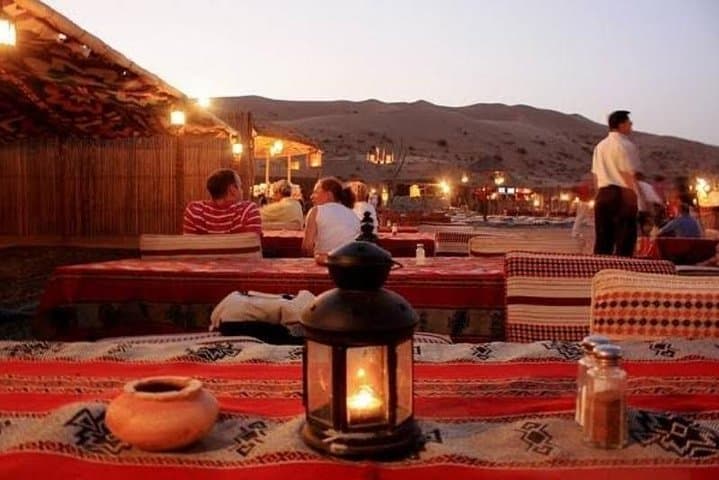
Timing is important: late afternoon light makes the dunes glow and cools the heat of midday, and the post-ride dinner offers a cultural payoff—grilled meats, salads and Bedouin tea alongside a folkloric show. For photographers, golden hour and the first stars are the reward. Respect local customs: modest dress at the camp and follow guides’ safety calls on vehicles and camels. With a mix of mechanical roar and quiet campfire conversation, the Hurghada desert safari delivers both a rush and a clear sense of place—an informed, hands-on way to read the landscape beyond the shore.
moderate.
6–8 hours.
Suitable for most fitness levels but requires stamina for standing on a quad and handling bumps; basic mobility for camel riding and walking at the camp is needed.
The full experience runs about 6–8 hours including transfer time, with roughly 45 minutes on the quad and 45 minutes in the spider car, plus camel ride, tea and dinner.
No — the tour suits beginners and experienced riders; guides provide instruction and pace the group according to skill level.
Participants should meet the supplier’s age requirements and disclose medical issues; the tour is listed as suitable for most fitness levels but not recommended for pregnant travelers.
Yes, helmets are provided and must be worn for quad and spider car segments; bring your own gloves and protective eyewear if you prefer.
Yes — the itinerary includes a barbecue dinner and traditional Bedouin tea at the camp.
Operators typically offer hotel pickup in Hurghada; you’ll confirm pickup point during booking or contact the supplier if your hotel is outside standard pickup zones.
Bedouin communities have traversed these plains for centuries; modern safaris borrow traditional routes and the camp format echoes long-standing hospitality rituals.
The desert ecosystem is fragile—stay on marked tracks, avoid littering and support operators that limit vehicle numbers and respect local grazing areas.
egypt white desert operates guided outdoor trips and adventures with an emphasis on safety, stewardship, and memorable experiences.
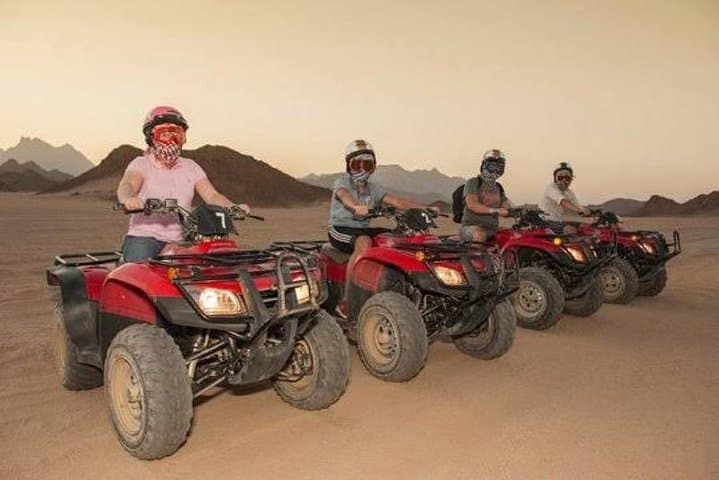
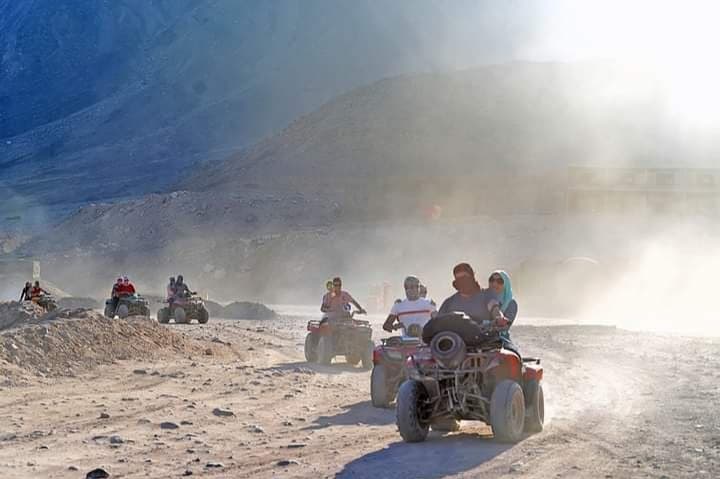
A late-afternoon sun slants low across ochre ridges as a line of quad bikes kicks up a plume of dust that smells faintly of salt and ancient rock. The Red Sea mountains loom dark and blunt on the horizon while the desert itself seems to push back—wind-swept dunes settling into new shapes as machines and riders move through them. This is Hurghada’s afternoon: equal parts adrenaline and atmosphere, a half-day loop that stitches together high-octane riding with slower, human moments around a Bedouin campfire.
A late-afternoon sun slants low across ochre ridges as a line of quad bikes kicks up a plume of dust that smells faintly of salt and ancient rock. The Red Sea mountains loom dark and blunt on the horizon while the desert itself seems to push back—wind-swept dunes settling into new shapes as machines and riders move through them. This is Hurghada’s afternoon: equal parts adrenaline and atmosphere, a half-day loop that stitches together high-octane riding with slower, human moments around a Bedouin campfire.
The landscape here is older than the shoreline resorts. Folded limestone and granite that form the Red Sea mountains were heaved up during tectonic shifts millions of years ago; today they offer broken ridgelines and open stony flats where dunes gather. Human history in the area is practical and mobile: Bedouin tribes followed water and grazing routes, trading tea and stories where travelers paused. Modern safari operators borrow routes once used by camel caravans, and the evening camp echoes that continuity—dinner, tea, and storytelling beneath a wide sky.
The excursion begins after noon with a short transfer by jeep to the safari center, then fragments into smaller stints: roughly 45 minutes on a quad bike through undulating desert trails, 45 minutes in a lightweight spider car ripping across sandy flats, and a quieter interlude for camel riding and Bedouin tea. The night closes with a barbecue dinner and an evening show before the return to Hurghada.
Practicalities matter: the terrain is a mix of compact sand, loose dunes and rocky tracks, so expect jostling and sudden changes in traction. Riders should be ready for sun, fine dust and heat—bring layers that zip on and off, a neck scarf to filter grit, and a hydration system. Operators provide helmets and basic instruction, but experience level changes how you enjoy the ride—beginners will appreciate slower stretches and steady guidance; experienced riders can push speed on open flats.
Timing is important: late afternoon light makes the dunes glow and cools the heat of midday, and the post-ride dinner offers a cultural payoff—grilled meats, salads and Bedouin tea alongside a folkloric show. For photographers, golden hour and the first stars are the reward. Respect local customs: modest dress at the camp and follow guides’ safety calls on vehicles and camels. With a mix of mechanical roar and quiet campfire conversation, the Hurghada desert safari delivers both a rush and a clear sense of place—an informed, hands-on way to read the landscape beyond the shore.