THE ADVENTURE COLLECTIVE® · Independent discovery and booking for outdoor travel

Spend an evening exploring an El Gouna canyon, watch sunset from a ridge, and dine beneath the desert sky while a guide points telescopic views of planets and constellations. This 5–6 hour guided tour combines light scrambling, cultural insight, and hands-on stargazing.
Spend an evening exploring an El Gouna canyon, watch sunset from a ridge, and dine beneath the desert sky while a guide points telescopic views of planets and constellations. This 5–6 hour guided tour combines light scrambling, cultural insight, and hands-on stargazing.
Evening light slices across ochre walls as a convoy of jeeps threads a dry desert wash toward El Gouna canyon. The air cools quickly; wind jerks loose a spice-scented dust that seems to dare you forward. Inside the canyon a hollowed cave reveals striations and fossilized ridges — a reminder the Red Sea once climbed this far inland. After a short climb for those who want it, the group climbs a ridge to watch the sun drain into the western desert while a welcome drink settles shoulders and quiets conversation.
Verified experiences and guided adventures in the surrounding area.
Operated by Scorpion safari · Hurghada, Red Sea Governorate
Evening light slices across ochre walls as a convoy of jeeps threads a dry desert wash toward El Gouna canyon. The air cools quickly; wind jerks loose a spice-scented dust that seems to dare you forward. Inside the canyon a hollowed cave reveals striations and fossilized ridges — a reminder the Red Sea once climbed this far inland. After a short climb for those who want it, the group climbs a ridge to watch the sun drain into the western desert while a welcome drink settles shoulders and quiets conversation.
This coastline desert sits on Pleistocene and Miocene deposits; wind and episodic floods carved narrow slots and exposed ancient marine sediments. Bedouin trade routes and more recent coastal development shaped local culture—today small desert oases punctuate the landscape and occasional shepherd camps still mark routes inland. The stargazing component brings together a simple desert dinner and a trained guide with a telescope to pick out constellations, planets and deep-sky objects far from urban light.
Practical guidance: expect roughly a 5–6 hour evening excursion leaving Hurghada hotels, with short, uneven walks and the option to do light scrambling inside the canyon. Footwear with grip and ankle support helps; bring a light jacket for cooler desert nights, a headlamp, water, and sunscreen. The operator provides dinner and telescope viewing; photography lovers will want a tripod for night shots. Respect the site—do not collect fossils or disturb fragile rock surfaces—and follow the guide’s directions for safety around cliffs and uneven terrain.
easy.
5–6 hours.
Suitable for most fitness levels; involves short uphill sections and uneven terrain but no extended technical climbs.
The experience runs about 5–6 hours and departs in the late afternoon from Hurghada hotels to reach the canyon before sunset followed by dinner and stargazing.
The tour includes short, optional climbs inside the canyon and up a ridge for sunset; no technical climbing gear is required, but steady footing is recommended.
Yes—professional guides bring telescopes and point out constellations, planets and notable night-sky targets as part of the dinner/stargazing segment.
The operator notes the trip is physically easy overall, but uneven terrain and short climbs may be challenging for some; infants must sit on laps and it isn’t recommended for people with serious back or heart conditions.
The canyon exposes marine sediments from when the Red Sea covered parts of this coastal plain; local Bedouin routes historically crossed these washes.
The area is fragile—do not remove fossils or disturb rock surfaces; follow the guide and leave no trace to preserve dark skies and desert habitats.
Scorpion safari operates guided outdoor trips and adventures with an emphasis on safety, stewardship, and memorable experiences.
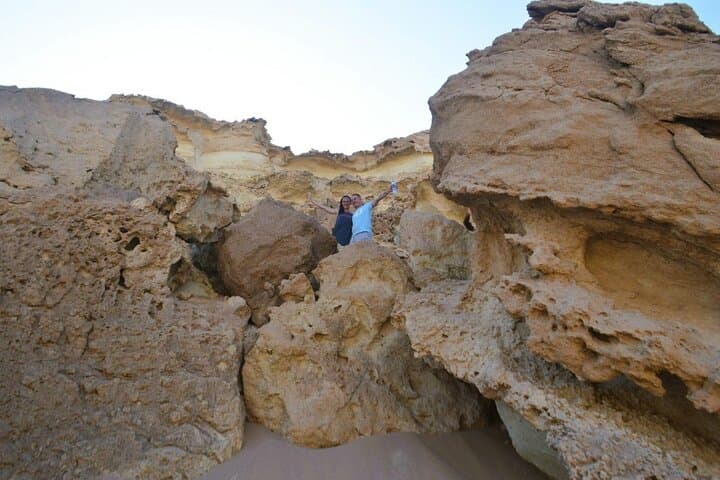
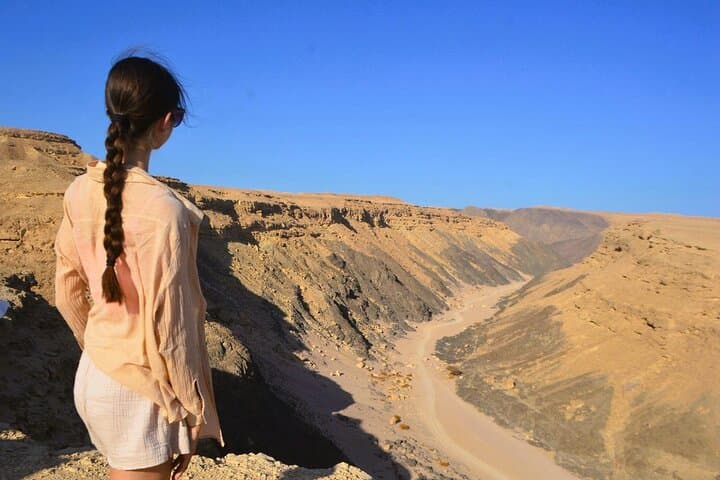
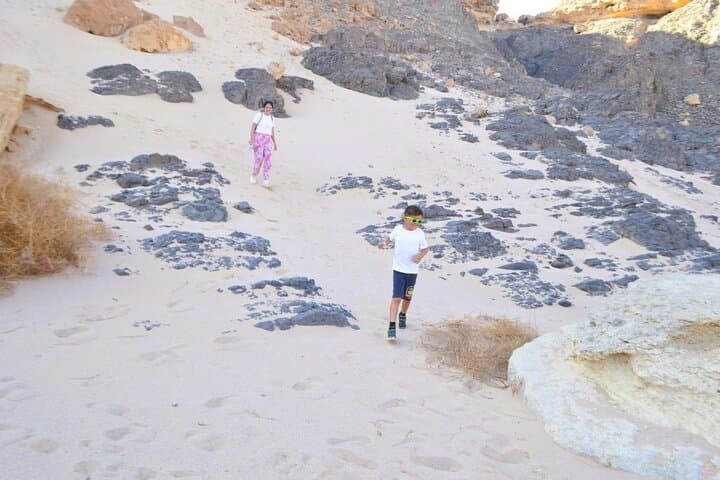
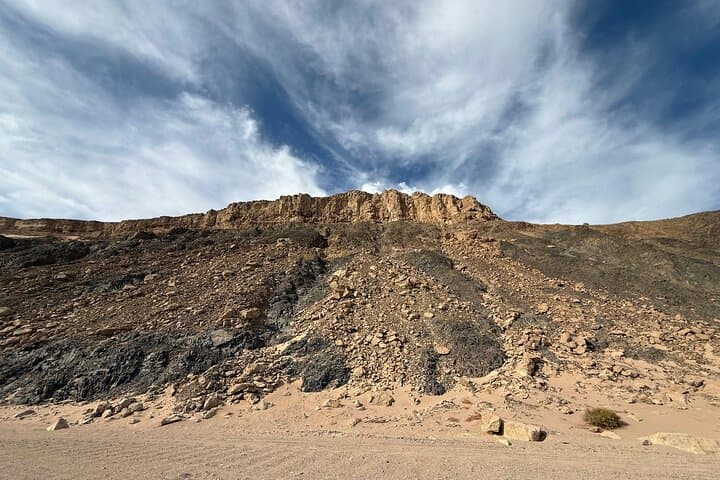
Evening light slices across ochre walls as a convoy of jeeps threads a dry desert wash toward El Gouna canyon. The air cools quickly; wind jerks loose a spice-scented dust that seems to dare you forward. Inside the canyon a hollowed cave reveals striations and fossilized ridges — a reminder the Red Sea once climbed this far inland. After a short climb for those who want it, the group climbs a ridge to watch the sun drain into the western desert while a welcome drink settles shoulders and quiets conversation.
Evening light slices across ochre walls as a convoy of jeeps threads a dry desert wash toward El Gouna canyon. The air cools quickly; wind jerks loose a spice-scented dust that seems to dare you forward. Inside the canyon a hollowed cave reveals striations and fossilized ridges — a reminder the Red Sea once climbed this far inland. After a short climb for those who want it, the group climbs a ridge to watch the sun drain into the western desert while a welcome drink settles shoulders and quiets conversation.
This coastline desert sits on Pleistocene and Miocene deposits; wind and episodic floods carved narrow slots and exposed ancient marine sediments. Bedouin trade routes and more recent coastal development shaped local culture—today small desert oases punctuate the landscape and occasional shepherd camps still mark routes inland. The stargazing component brings together a simple desert dinner and a trained guide with a telescope to pick out constellations, planets and deep-sky objects far from urban light.
Practical guidance: expect roughly a 5–6 hour evening excursion leaving Hurghada hotels, with short, uneven walks and the option to do light scrambling inside the canyon. Footwear with grip and ankle support helps; bring a light jacket for cooler desert nights, a headlamp, water, and sunscreen. The operator provides dinner and telescope viewing; photography lovers will want a tripod for night shots. Respect the site—do not collect fossils or disturb fragile rock surfaces—and follow the guide’s directions for safety around cliffs and uneven terrain.