THE ADVENTURE COLLECTIVE® · Independent discovery and booking for outdoor travel

A 10-day trek and cultural circuit through Hunza’s highest meadows and base camps, offering close-up views of Rakaposhi and Ultar, glacier walks, and visits to ancient Silk Road villages. Perfect for hikers seeking both alpine scenery and community immersion.
A 10-day trek and cultural circuit through Hunza’s highest meadows and base camps, offering close-up views of Rakaposhi and Ultar, glacier walks, and visits to ancient Silk Road villages. Perfect for hikers seeking both alpine scenery and community immersion.
A low morning sun cuts across the Karakoram, lighting the jagged Passu Cones while a river below dares you to pause and listen. On this 10-day route through Hunza, travelers move between high meadows, glacial shoulders and centuries-old villages—each landscape pushing the day forward with clear purpose.
Verified experiences and guided adventures in the surrounding area.
Operated by Found Expeditions · Karimabad, Gilgit-Baltistan
A low morning sun cuts across the Karakoram, lighting the jagged Passu Cones while a river below dares you to pause and listen. On this 10-day route through Hunza, travelers move between high meadows, glacial shoulders and centuries-old villages—each landscape pushing the day forward with clear purpose.
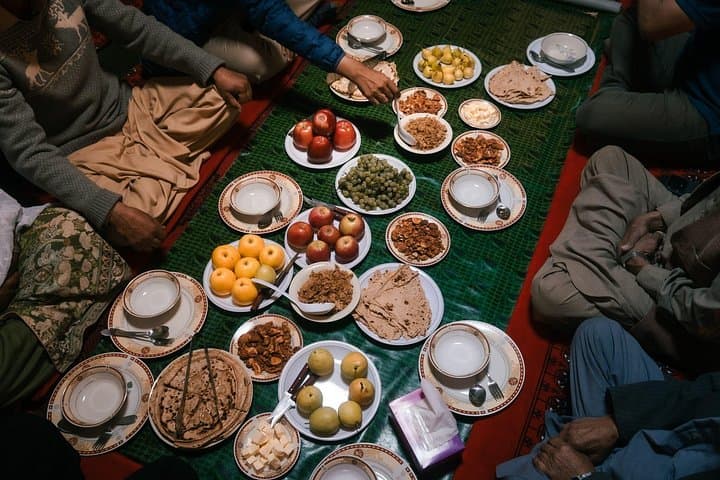
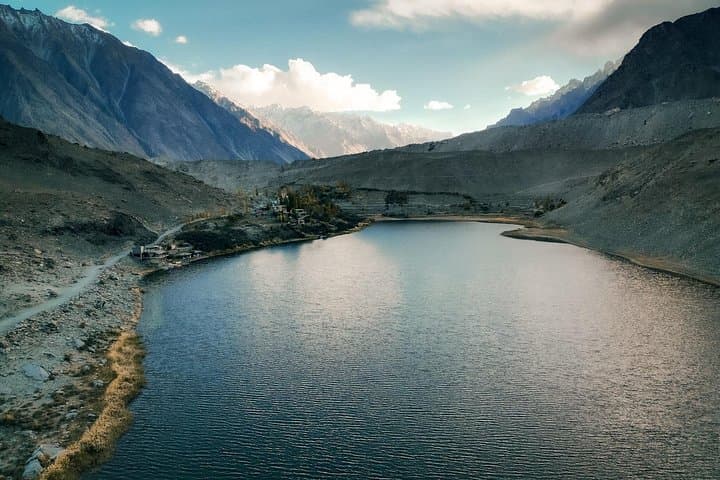
Geology here is direct and visible: steep granite and metamorphic ridges sculpted by active glaciers, with Rakaposhi’s broad pyramid and the knife-edge of Ultar forming the skyline. Hunza’s culture is equally tangible—stone forts like Baltit and Ganish recall Silk Road exchanges, while community-run carpet centers and family meals present living traditions rather than museum pieces.
Expect mixed terrain: paved valley roads, stony village lanes, steep stairways (the Ondra Fort steps are famously long) and alpine trails that rise to 3,250–3,450 m at the meadows and Rakaposhi Base Camp. Daily hiking ranges from short cultural walks to 6–8 hour ascents with 700–1,380 m elevation gain; some nights are in hotels, others in basic camps.
Practical guidance: acclimatize in Gilgit or Karimabad, pace ascents to avoid altitude sickness, and favor layered clothing for large diurnal swings. Hydrate, carry a map and local SIM for connectivity gaps, and hire certified local guides for route safety and cultural context. Conservation-minded travelers should stick to established trails and respect village customs—community tourism supports current conservation and cultural preservation efforts.
This itinerary balances hard hiking with immersive cultural exchange, delivering spectacle without unnecessary risk for those with moderate to strong fitness and a readiness for high-altitude trekking.
challenging.
10 days.
Good aerobic fitness with experience on multi-day hikes and altitude exposure; able to cover 6–8 hour mountain days with sustained elevation gain.
Prior multi-day trekking experience is recommended; the itinerary includes sustained ascents to 3,450 m and long hiking days.
Guides monitor symptoms, recommend rest days, slow ascent profiles, and evacuation options; bring medication and inform guides of any history.
Mixture of local hotels in Karimabad and Gilgit, guesthouses in villages, and basic mountain camps with communal facilities at base camps.
All meals are included; expect regional dishes and opportunities for home-hosted meals showcasing Hunza specialties.
Hunza sat along the ancient Silk Road; villages like Ganish preserve stone architecture and caravan-era features recognized for heritage value.
High-altitude ecosystems are fragile—stick to trails, minimize campfire use, and support community tourism enterprises that fund local stewardship.
Found Expeditions operates guided outdoor trips and adventures with an emphasis on safety, stewardship, and memorable experiences.
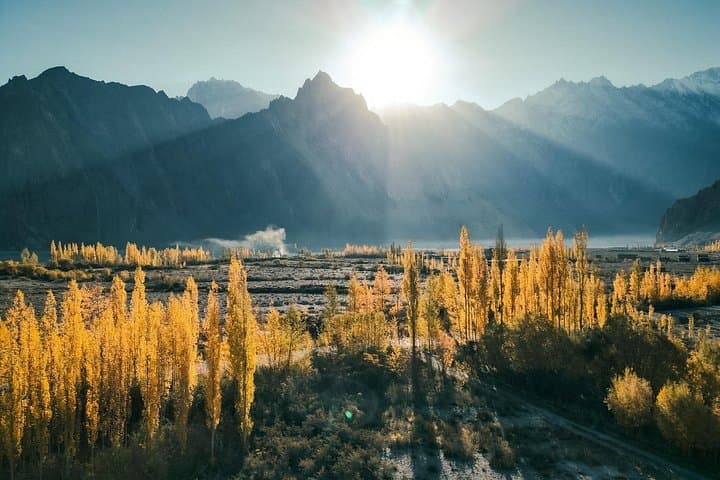
A low morning sun cuts across the Karakoram, lighting the jagged Passu Cones while a river below dares you to pause and listen. On this 10-day route through Hunza, travelers move between high meadows, glacial shoulders and centuries-old villages—each landscape pushing the day forward with clear purpose.
A low morning sun cuts across the Karakoram, lighting the jagged Passu Cones while a river below dares you to pause and listen. On this 10-day route through Hunza, travelers move between high meadows, glacial shoulders and centuries-old villages—each landscape pushing the day forward with clear purpose.
Geology here is direct and visible: steep granite and metamorphic ridges sculpted by active glaciers, with Rakaposhi’s broad pyramid and the knife-edge of Ultar forming the skyline. Hunza’s culture is equally tangible—stone forts like Baltit and Ganish recall Silk Road exchanges, while community-run carpet centers and family meals present living traditions rather than museum pieces.
Expect mixed terrain: paved valley roads, stony village lanes, steep stairways (the Ondra Fort steps are famously long) and alpine trails that rise to 3,250–3,450 m at the meadows and Rakaposhi Base Camp. Daily hiking ranges from short cultural walks to 6–8 hour ascents with 700–1,380 m elevation gain; some nights are in hotels, others in basic camps.
Practical guidance: acclimatize in Gilgit or Karimabad, pace ascents to avoid altitude sickness, and favor layered clothing for large diurnal swings. Hydrate, carry a map and local SIM for connectivity gaps, and hire certified local guides for route safety and cultural context. Conservation-minded travelers should stick to established trails and respect village customs—community tourism supports current conservation and cultural preservation efforts.
This itinerary balances hard hiking with immersive cultural exchange, delivering spectacle without unnecessary risk for those with moderate to strong fitness and a readiness for high-altitude trekking.