THE ADVENTURE COLLECTIVE® · Independent discovery and booking for outdoor travel

A compact seven-day loop from Islamabad through Kaghan, Naran, Gilgit and Hunza that packs alpine lakes, historic forts and a run up to Khunjerab. Expect long drives, jeep tracks into Naltar, and high-elevation viewpoints with sweeping Karakoram vistas.
A compact seven-day loop from Islamabad through Kaghan, Naran, Gilgit and Hunza that packs alpine lakes, historic forts and a run up to Khunjerab. Expect long drives, jeep tracks into Naltar, and high-elevation viewpoints with sweeping Karakoram vistas.
A wind from the high Karakoram meets the road as the minivan drops into Karimabad; peaks lean close enough to touch and a ribbon of river keeps moving, daring you to keep pace. The seven-day loop runs from Islamabad up the Kaghan Valley and Babusar Pass into Gilgit-Baltistan, threading through alpine lakes, forested cirques, and the knife-edged ridgelines framing Hunza.
Verified experiences and guided adventures in the surrounding area.
Operated by Prestine Travels and Tours · Karimabad, Gilgit-Baltistan
A wind from the high Karakoram meets the road as the minivan drops into Karimabad; peaks lean close enough to touch and a ribbon of river keeps moving, daring you to keep pace. The seven-day loop runs from Islamabad up the Kaghan Valley and Babusar Pass into Gilgit-Baltistan, threading through alpine lakes, forested cirques, and the knife-edged ridgelines framing Hunza.
Geology here is obvious: glaciated peaks like Nanga Parbat (8,126 m) and the Passu Cones carve sharp skylines while carved valleys — Kaghan’s 155 km corridor and the glacial bowls of Naltar — hold lakes such as Saiful Muluk (3,224 m) and Lulusar. Culturally, Karimabad’s Baltit and Altit forts trace centuries of strategic highland life, and local Wakhi and Burusho communities keep trade and craft traditions alive.
Practically, expect long drives on mountain roads, jeep rides into Naltar, and altitude shifts up to Khunjerab Pass (~4,693 m). Road conditions can be rough; allow buffer time for landslides and weather. Pack layered clothing, sun protection, and a daypack for short hikes to viewpoints like Duikar and Rakaposhi outlooks. Hydrate and spend the first night taking it easy to acclimatize; if you get headaches above 3,000 m, descend and rest.
Best travel window is late spring to early autumn when high passes open; winter brings heavy snow and road closures. This itinerary balances culture and scenery — fortified villages, glassy lakes, glacier-sculpted vistas — and suits travelers who want panoramic Himalayan exposure with accessible, mostly non-technical walking.
moderate.
7 days.
Moderate fitness—able to handle several hours of sightseeing on foot, short hikes, and long vehicle transfers; allow for altitude effects.
Khunjerab Pass is accessible by road but border access is controlled; most tours visit the park entrance and viewpoint without crossing the international border—your operator will handle permits if needed.
Late May through September is the most reliable window for open passes, green valleys, and minimal road closures from snow.
This private multi-day tour typically includes breakfasts and dinners and 3-star hotel accommodation as noted—confirm specific inclusions with your operator before booking.
Yes—several stops exceed 3,000 m; symptoms can occur. Hydrate, ascend gradually, and report severe symptoms to the guide; descent is the primary treatment.
Baltit and Altit forts in Karimabad reflect centuries of regional trade and defensive architecture, with Baltit remodeled over time and offering expansive valley views.
The high-altitude ecosystems are fragile; stick to marked paths, avoid single-use plastics, and respect local pastureland and seasonal grazing patterns.
Prestine Travels and Tours operates guided outdoor trips and adventures with an emphasis on safety, stewardship, and memorable experiences.


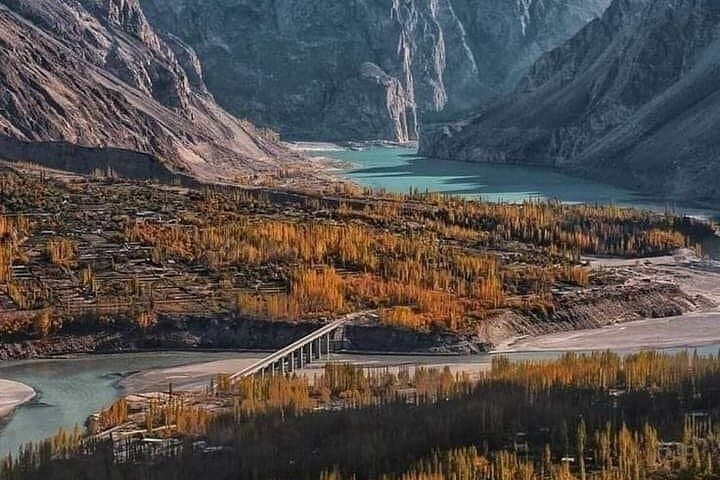
A wind from the high Karakoram meets the road as the minivan drops into Karimabad; peaks lean close enough to touch and a ribbon of river keeps moving, daring you to keep pace. The seven-day loop runs from Islamabad up the Kaghan Valley and Babusar Pass into Gilgit-Baltistan, threading through alpine lakes, forested cirques, and the knife-edged ridgelines framing Hunza.
A wind from the high Karakoram meets the road as the minivan drops into Karimabad; peaks lean close enough to touch and a ribbon of river keeps moving, daring you to keep pace. The seven-day loop runs from Islamabad up the Kaghan Valley and Babusar Pass into Gilgit-Baltistan, threading through alpine lakes, forested cirques, and the knife-edged ridgelines framing Hunza.
Geology here is obvious: glaciated peaks like Nanga Parbat (8,126 m) and the Passu Cones carve sharp skylines while carved valleys — Kaghan’s 155 km corridor and the glacial bowls of Naltar — hold lakes such as Saiful Muluk (3,224 m) and Lulusar. Culturally, Karimabad’s Baltit and Altit forts trace centuries of strategic highland life, and local Wakhi and Burusho communities keep trade and craft traditions alive.
Practically, expect long drives on mountain roads, jeep rides into Naltar, and altitude shifts up to Khunjerab Pass (~4,693 m). Road conditions can be rough; allow buffer time for landslides and weather. Pack layered clothing, sun protection, and a daypack for short hikes to viewpoints like Duikar and Rakaposhi outlooks. Hydrate and spend the first night taking it easy to acclimatize; if you get headaches above 3,000 m, descend and rest.
Best travel window is late spring to early autumn when high passes open; winter brings heavy snow and road closures. This itinerary balances culture and scenery — fortified villages, glassy lakes, glacier-sculpted vistas — and suits travelers who want panoramic Himalayan exposure with accessible, mostly non-technical walking.