THE ADVENTURE COLLECTIVE® · Independent discovery and booking for outdoor travel

Travel through the Karakoram during peak blossom season on a 13-day circuit from Islamabad to Hunza, Passu and Khunjerab. This spring tour mixes high mountain drives, cultural forts, and lakes formed by dramatic geology.
Travel through the Karakoram during peak blossom season on a 13-day circuit from Islamabad to Hunza, Passu and Khunjerab. This spring tour mixes high mountain drives, cultural forts, and lakes formed by dramatic geology.
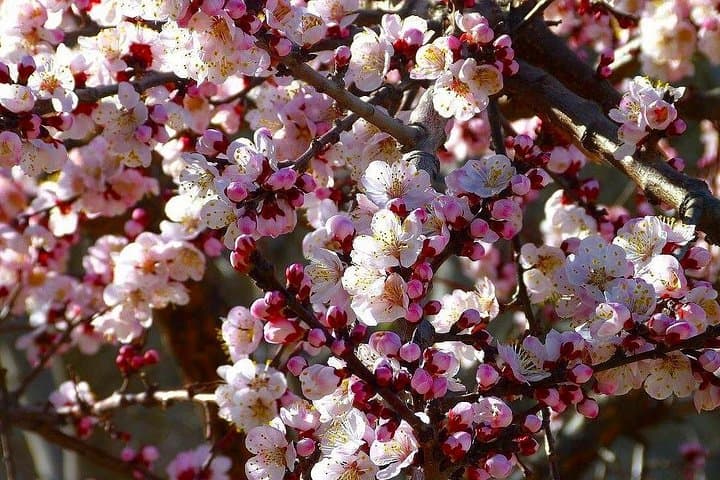
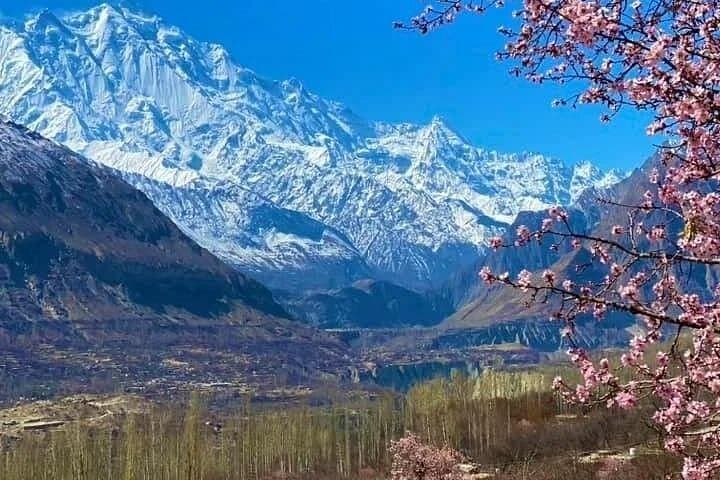
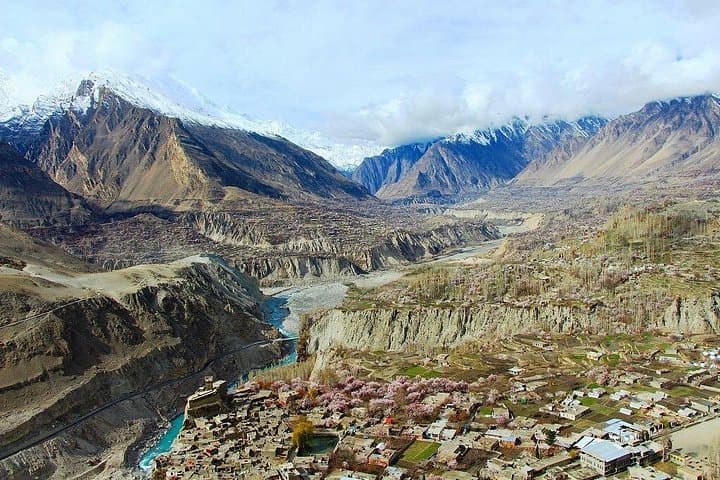
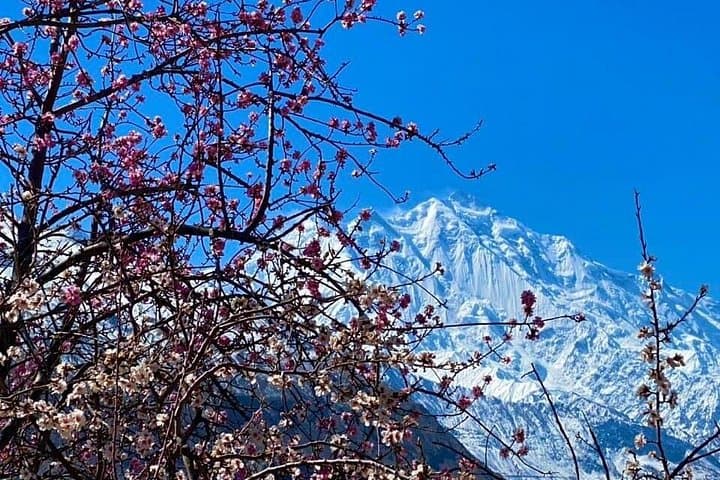
You step out into a cool, thin air and the valley opens: terraces of fruit trees run down toward a blue ribbon of river, and clouds brush the jagged shoulders of the Karakoram. In early April, Hunza’s apricot, cherry and apple trees explode in white and pale-pink blooms that scent the wind as you drive along the Karakoram Highway toward Karimabad.
Verified experiences and guided adventures in the surrounding area.
Operated by North Pakistan Adventure · Karimabad, Gilgit-Baltistan
You step out into a cool, thin air and the valley opens: terraces of fruit trees run down toward a blue ribbon of river, and clouds brush the jagged shoulders of the Karakoram. In early April, Hunza’s apricot, cherry and apple trees explode in white and pale-pink blooms that scent the wind as you drive along the Karakoram Highway toward Karimabad.
This route traces centuries of trade and local rule — Hunza was once governed by the Mir until integration with Pakistan in 1974 — while its geology is written in granite peaks, glacial moraines and the dramatic 2010 Attabad landslide that dammed the Hunza River to create Attabad Lake. Cultural life here is strongly Ismaili, with small villages, ancient forts (Baltit, Altit) and living traditions around fruit cultivation.
The tour moves deliberately: flights to Skardu, long scenic drives to Passu, a day to Khunjerab Pass at nearly 4,700 m, and time in quiet hamlets like Gulmit and Duikar. Expect many short walks, museum and fort visits, waterfalls such as Manthokha, and crossings of suspension bridges that test your balance and nerve.
Practical guidance: plan for altitude changes and long driving days (some up to 9–10 hours), carry layered clothing and sun protection, and allow a day of light activity after flights into Skardu to acclimatize. Cash and local SIMs are useful; entry to Khunjerab National Park is normally required (often included). Hotels along the route are basic 2–3 star; bring comfortable walking shoes and patience for variable mountain road conditions.
moderate.
13 days.
Suitable for travelers in reasonable health who can tolerate long drives and short walks at altitude; not physically strenuous but requires stamina for travel days.
Early April is typically peak blossom season, though exact timing depends on winter snowmelt and spring temperatures.
Most itineraries combine a domestic flight to Skardu or Gilgit followed by road transfers along the Karakoram Highway; some trips drive the full route over several days.
Entry fees for Khunjerab National Park and border procedures may apply; many organized tours include park entry in the package.
Some days reach high elevations (Khunjerab ~4,700 m); mild altitude effects are possible—allow acclimatization time and inform guides about any health issues.
Hunza was historically ruled by its Mir until formally integrated into Pakistan in 1974; forts like Baltit and Altit reflect a long local heritage tied to Silk Road corridors.
The high-altitude ecosystems are fragile—pack out waste, limit single-use plastics, and follow local guidance to avoid disturbing orchards and grazing areas.
North Pakistan Adventure operates guided outdoor trips and adventures with an emphasis on safety, stewardship, and memorable experiences.
You step out into a cool, thin air and the valley opens: terraces of fruit trees run down toward a blue ribbon of river, and clouds brush the jagged shoulders of the Karakoram. In early April, Hunza’s apricot, cherry and apple trees explode in white and pale-pink blooms that scent the wind as you drive along the Karakoram Highway toward Karimabad.
You step out into a cool, thin air and the valley opens: terraces of fruit trees run down toward a blue ribbon of river, and clouds brush the jagged shoulders of the Karakoram. In early April, Hunza’s apricot, cherry and apple trees explode in white and pale-pink blooms that scent the wind as you drive along the Karakoram Highway toward Karimabad.
This route traces centuries of trade and local rule — Hunza was once governed by the Mir until integration with Pakistan in 1974 — while its geology is written in granite peaks, glacial moraines and the dramatic 2010 Attabad landslide that dammed the Hunza River to create Attabad Lake. Cultural life here is strongly Ismaili, with small villages, ancient forts (Baltit, Altit) and living traditions around fruit cultivation.
The tour moves deliberately: flights to Skardu, long scenic drives to Passu, a day to Khunjerab Pass at nearly 4,700 m, and time in quiet hamlets like Gulmit and Duikar. Expect many short walks, museum and fort visits, waterfalls such as Manthokha, and crossings of suspension bridges that test your balance and nerve.
Practical guidance: plan for altitude changes and long driving days (some up to 9–10 hours), carry layered clothing and sun protection, and allow a day of light activity after flights into Skardu to acclimatize. Cash and local SIMs are useful; entry to Khunjerab National Park is normally required (often included). Hotels along the route are basic 2–3 star; bring comfortable walking shoes and patience for variable mountain road conditions.