THE ADVENTURE COLLECTIVE® · Independent discovery and booking for outdoor travel

A demanding three-day trek that follows old hunter trails through primary forest south of Luang Namtha. Camp in the jungle, sleep in a village homestay, learn wild food uses, and cross ridge-lines with sweeping views.
A demanding three-day trek that follows old hunter trails through primary forest south of Luang Namtha. Camp in the jungle, sleep in a village homestay, learn wild food uses, and cross ridge-lines with sweeping views.
Morning mist lifts off a narrow ridge as the group starts up an old hunter trail south of Luang Namtha. The jungle is immediate: buttressed trunks, the rustle of birds, and a stream daring you to rest beside it. Over three days the trail alternates steep ascents, ridge-line walking with wide views, and dense, humid valleys where the guide reads the forest like a book.
Verified experiences and guided adventures in the surrounding area.
Operated by The Hiker · Luang Namtha, Luang Namtha
Morning mist lifts off a narrow ridge as the group starts up an old hunter trail south of Luang Namtha. The jungle is immediate: buttressed trunks, the rustle of birds, and a stream daring you to rest beside it. Over three days the trail alternates steep ascents, ridge-line walking with wide views, and dense, humid valleys where the guide reads the forest like a book.
This part of northern Laos is carved from karst and sandstone, with pockets of primary forest that have sheltered upland ethnic groups — Lanten and Tai-speaking communities — for generations. Traditional crafts, like bamboo paper-making and indigo dyeing in riverside villages, provide a cultural counterpoint to the raw geology and seasonal flows of the Namha River.
Expect long, sustained climbs (steep at times), uneven jungle terrain, and a few creek crossings. Nights are spent in a simple jungle camp and a homestay where villagers share food grown and foraged nearby. Guides explain wild plants, point out animal tracks, and demonstrate campcraft using bamboo tools.
Practical guidance: travel light but sturdy — 40–50L pack recommended. Hydrate frequently in the heat; treat or filter river water if you must refill. Wear high-traction boots and gaiters for leeches and mud. Start early to avoid the hottest midday sections and follow your guide’s lead on off-trail sections. Respect homestay routines — ask before photographing and bring small gifts for hosts. Leave no trace: pack out all non-biodegradable waste and minimize campfire impact.
difficult.
3 days.
High — travelers should have strong cardiovascular fitness, good endurance for sustained uphill/downhill trekking, and prior multi-day hiking experience
You should have a high level of fitness, comfortable with sustained uphill and downhill trekking for multiple days while carrying a daypack; the tour is rated difficult.
Yes — jungle camps are simple (sleeping mats, tents provided by operator) and the homestay offers basic beds and local meals.
Local guides are experienced in reading tracks, identifying wild plants and herbs, and explaining traditional uses — sightings are possible but not guaranteed.
Basic dietary needs can usually be met if notified in advance, but options in remote villages are limited — bring necessary personal supplies if you have strict requirements.
The Luang Namtha region is home to multiple upland ethnic groups; villages along the Namha River maintain traditional crafts like bamboo processing and indigo dyeing.
Primary forest pockets are vulnerable to logging and agricultural pressure; responsible trekking — sticking to trails, avoiding single-use plastics, and supporting homestays — helps local conservation and livelihoods.
The Hiker operates guided outdoor trips and adventures with an emphasis on safety, stewardship, and memorable experiences.
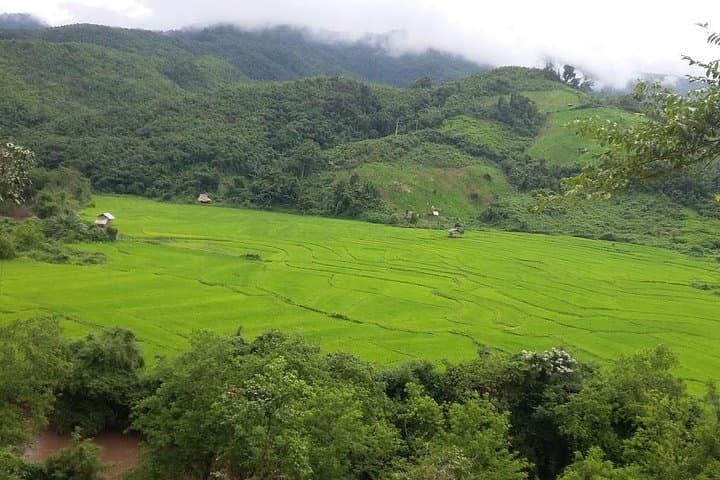
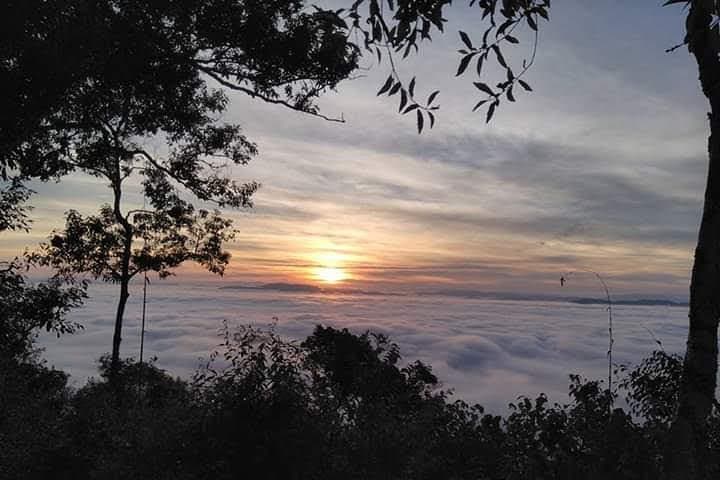
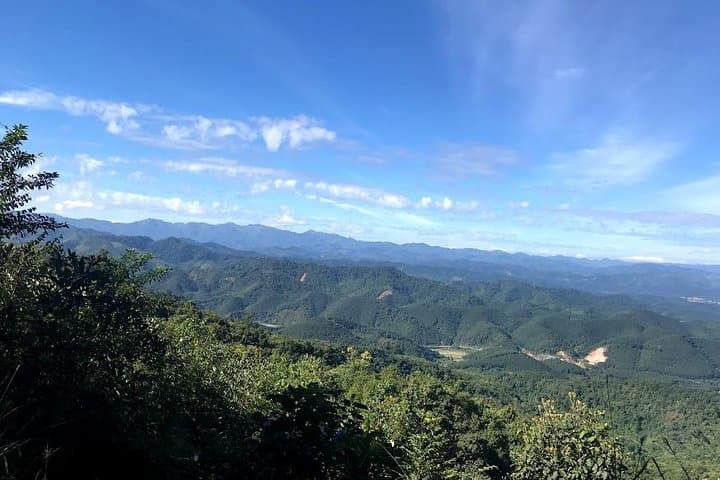
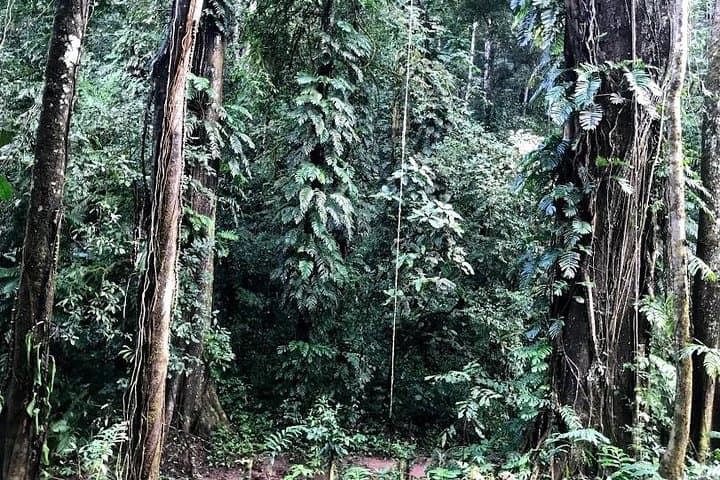
Morning mist lifts off a narrow ridge as the group starts up an old hunter trail south of Luang Namtha. The jungle is immediate: buttressed trunks, the rustle of birds, and a stream daring you to rest beside it. Over three days the trail alternates steep ascents, ridge-line walking with wide views, and dense, humid valleys where the guide reads the forest like a book.
Morning mist lifts off a narrow ridge as the group starts up an old hunter trail south of Luang Namtha. The jungle is immediate: buttressed trunks, the rustle of birds, and a stream daring you to rest beside it. Over three days the trail alternates steep ascents, ridge-line walking with wide views, and dense, humid valleys where the guide reads the forest like a book.
This part of northern Laos is carved from karst and sandstone, with pockets of primary forest that have sheltered upland ethnic groups — Lanten and Tai-speaking communities — for generations. Traditional crafts, like bamboo paper-making and indigo dyeing in riverside villages, provide a cultural counterpoint to the raw geology and seasonal flows of the Namha River.
Expect long, sustained climbs (steep at times), uneven jungle terrain, and a few creek crossings. Nights are spent in a simple jungle camp and a homestay where villagers share food grown and foraged nearby. Guides explain wild plants, point out animal tracks, and demonstrate campcraft using bamboo tools.
Practical guidance: travel light but sturdy — 40–50L pack recommended. Hydrate frequently in the heat; treat or filter river water if you must refill. Wear high-traction boots and gaiters for leeches and mud. Start early to avoid the hottest midday sections and follow your guide’s lead on off-trail sections. Respect homestay routines — ask before photographing and bring small gifts for hosts. Leave no trace: pack out all non-biodegradable waste and minimize campfire impact.