THE ADVENTURE COLLECTIVE® · Independent discovery and booking for outdoor travel

Discover Hunte's Gardens, a dramatic terraced gully in St. Joseph where exotic plants and small birds populate shaded stone stairways. This guide covers what to expect, local context and practical tips for a safe, rewarding visit.
Discover Hunte's Gardens, a dramatic terraced gully in St. Joseph where exotic plants and small birds populate shaded stone stairways. This guide covers what to expect, local context and practical tips for a safe, rewarding visit.
You step off the shaded lane and the air changes—warmer, heavier with the perfume of orchids and damp earth. A narrow stone stair threads down into a gully where terraced walls of ferns, heliconias and palms rise like living rooms carved from limestone. Small birds flit through the understory; the garden seems to lean toward you as if to share its secrets.
Verified experiences and guided adventures in the surrounding area.
Operated by A+ Tours and Events · Bathsheba, St. Joseph
You step off the shaded lane and the air changes—warmer, heavier with the perfume of orchids and damp earth. A narrow stone stair threads down into a gully where terraced walls of ferns, heliconias and palms rise like living rooms carved from limestone. Small birds flit through the understory; the garden seems to lean toward you as if to share its secrets.
Hunte's Gardens began when horticulturist Anthony Hunte transformed a neglected sinkhole in St. Joseph into a cultivated wild: terraces, winding paths and dramatic plantings that highlight Barbados’s volcanic and coral limestone geology. The garden reflects the island’s colonial-era interest in exotic species while foregrounding native and naturalized tropical plants—an accessible lesson in Caribbean botany and landscape adaptation.
Culturally, the gardens are a local attraction that supports community guides and small-scale tourism; nearby Bathsheba retains its fishing-village character and rugged Atlantic exposure. Geologically, the gully channels runoff from upland interior soils to the east coast, creating a persistently moist microclimate perfect for epiphytes and shade-loving species.
Practical guidance: allow 60–90 minutes for a relaxed visit (the tour usually runs about two hours including transport). Wear sturdy, closed-toe shoes—paths include stone steps and uneven packed earth—and bring water and sun protection for the short walks between shaded sections. Photography is excellent but respect signs and stay on paths; do not pick plants. Early morning or late afternoon visits are cooler and better for bird activity. The site is family-friendly but uneven underfoot, so plan accordingly.
moderate.
2–3 hours.
Light to moderate fitness—able to manage stairs, short uphill sections, and uneven ground
Allow about 60–90 minutes to explore the terraces; tours that include transport commonly run about two to three hours total.
No—many paths have stairs and narrow sections; visitors with mobility limitations should contact the operator for options.
Visits are typically self-paced but local guides are often available to explain plantings and history—ask at arrival or book a guided option.
Occasionally local vendors sell plants or cuttings nearby, but rules prohibit removing specimens from the gardens themselves.
Created by horticulturist Anthony Hunte in a limestone gully, the gardens evolved from a private cultivation project into a public attraction that showcases tropical plants suited to Barbados’s unique soils.
Stick to paths, avoid picking plants and support local guides; visitor fees help maintain the gardens and fund conservation of plant collections.
A+ Tours and Events operates guided outdoor trips and adventures with an emphasis on safety, stewardship, and memorable experiences.
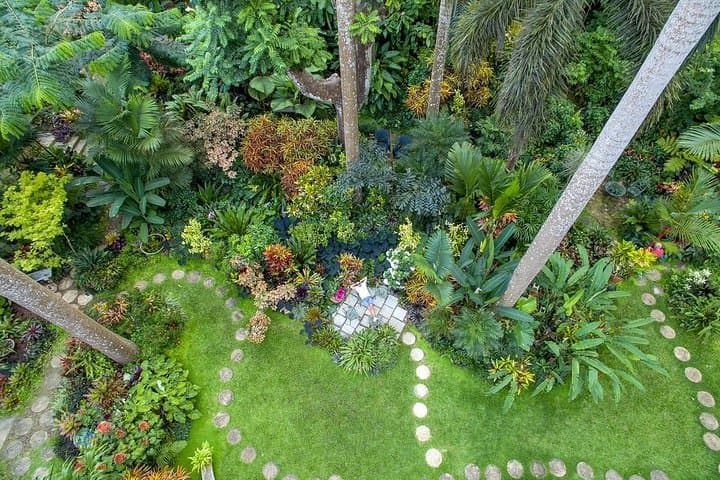
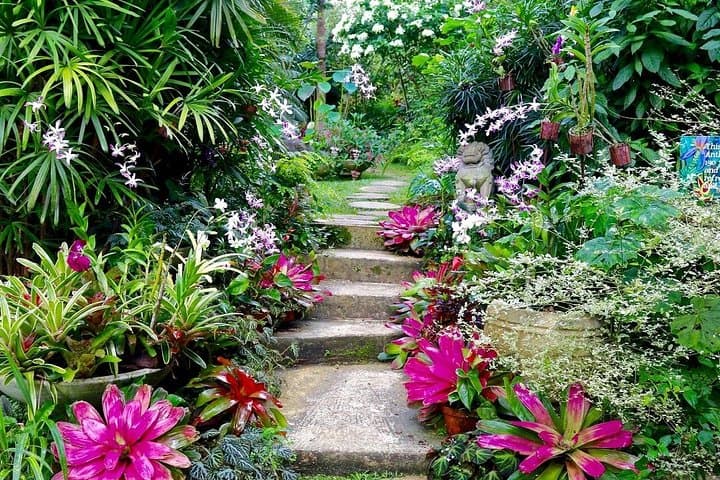
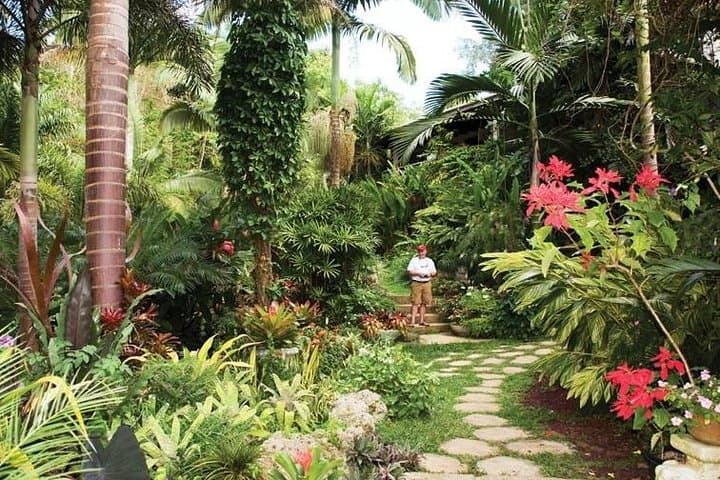
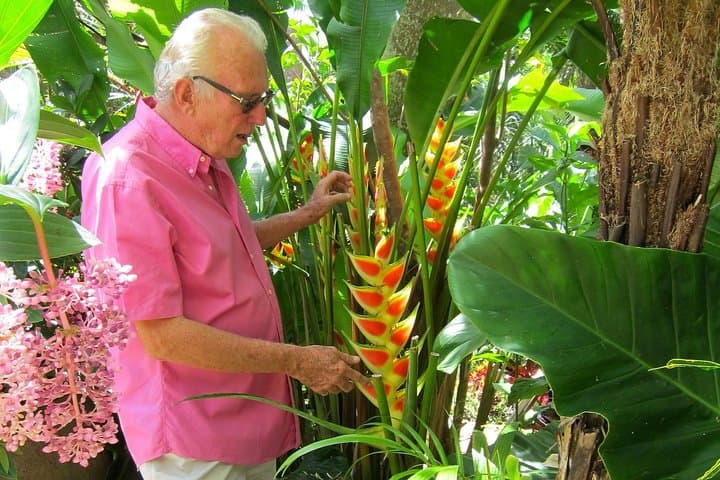
You step off the shaded lane and the air changes—warmer, heavier with the perfume of orchids and damp earth. A narrow stone stair threads down into a gully where terraced walls of ferns, heliconias and palms rise like living rooms carved from limestone. Small birds flit through the understory; the garden seems to lean toward you as if to share its secrets.
You step off the shaded lane and the air changes—warmer, heavier with the perfume of orchids and damp earth. A narrow stone stair threads down into a gully where terraced walls of ferns, heliconias and palms rise like living rooms carved from limestone. Small birds flit through the understory; the garden seems to lean toward you as if to share its secrets.
Hunte's Gardens began when horticulturist Anthony Hunte transformed a neglected sinkhole in St. Joseph into a cultivated wild: terraces, winding paths and dramatic plantings that highlight Barbados’s volcanic and coral limestone geology. The garden reflects the island’s colonial-era interest in exotic species while foregrounding native and naturalized tropical plants—an accessible lesson in Caribbean botany and landscape adaptation.
Culturally, the gardens are a local attraction that supports community guides and small-scale tourism; nearby Bathsheba retains its fishing-village character and rugged Atlantic exposure. Geologically, the gully channels runoff from upland interior soils to the east coast, creating a persistently moist microclimate perfect for epiphytes and shade-loving species.
Practical guidance: allow 60–90 minutes for a relaxed visit (the tour usually runs about two hours including transport). Wear sturdy, closed-toe shoes—paths include stone steps and uneven packed earth—and bring water and sun protection for the short walks between shaded sections. Photography is excellent but respect signs and stay on paths; do not pick plants. Early morning or late afternoon visits are cooler and better for bird activity. The site is family-friendly but uneven underfoot, so plan accordingly.