THE ADVENTURE COLLECTIVE® · Independent discovery and booking for outdoor travel

Spend an hour with a truffle hunter and trained dog in Gažon, Slovenia, learning how Istria’s karst soils produce prized truffles and how locals harvest and enjoy them. Expect a short walk, live demonstrations, and an optional tasting or cooking upgrade.
Spend an hour with a truffle hunter and trained dog in Gažon, Slovenia, learning how Istria’s karst soils produce prized truffles and how locals harvest and enjoy them. Expect a short walk, live demonstrations, and an optional tasting or cooking upgrade.
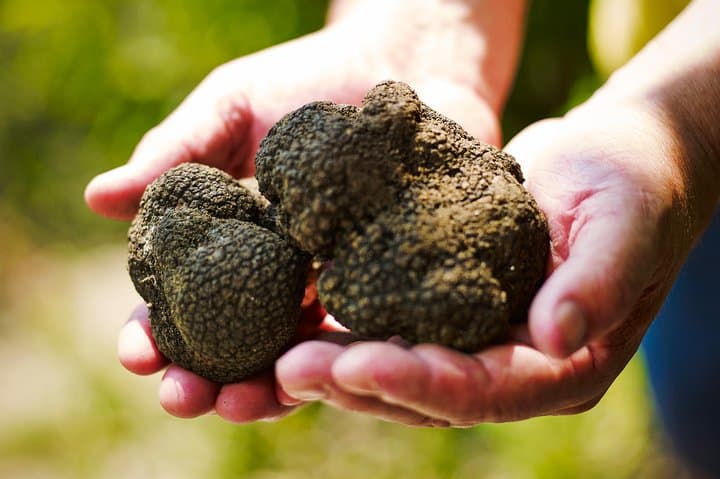
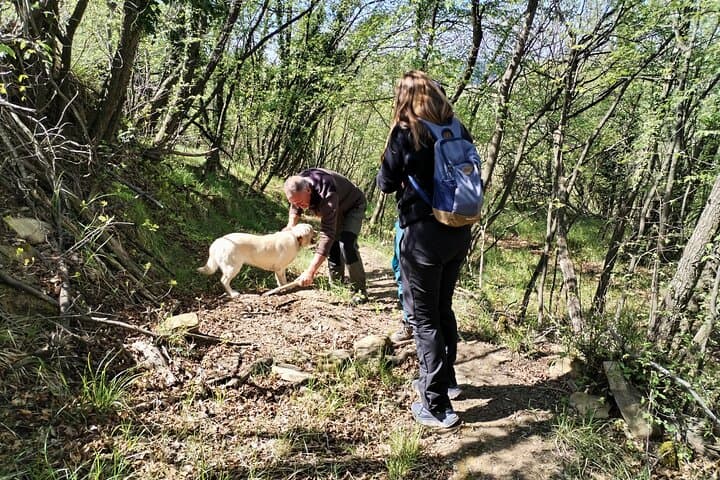
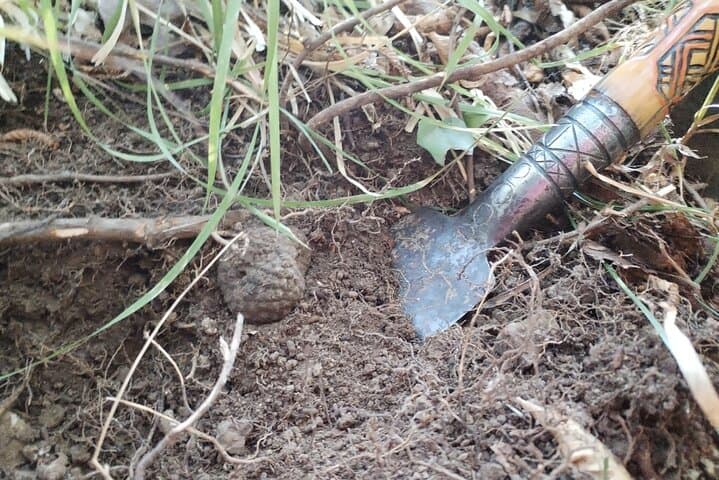
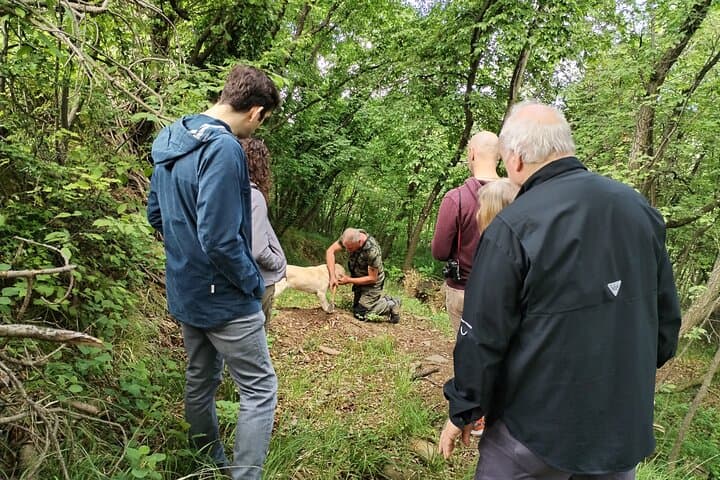
Morning mist lifts off the karst as the truffle hunter and dog slip through low pine and oak. The soil smells of sea-salt and loam; every scrape of a paw or nose feels like a small reveal. In Gažon, a quiet Istrian village above the Slovenian coast, the search is deliberate — slow steps, close listening, a sudden, excited pull from the dog.
Verified experiences and guided adventures in the surrounding area.
Operated by IstraTerra, experiences in Istria · Gažon, Coastal–Karst (Obalno-kraška)
Morning mist lifts off the karst as the truffle hunter and dog slip through low pine and oak. The soil smells of sea-salt and loam; every scrape of a paw or nose feels like a small reveal. In Gažon, a quiet Istrian village above the Slovenian coast, the search is deliberate — slow steps, close listening, a sudden, excited pull from the dog.
Istria's truffle story is geological and cultural. The karst bedrock and calcareous soils that crown the peninsula create the subterranean habitat truffles need. For centuries local cooks and markets in Koper and nearby towns have prized these fungi — prized not just for flavor but for status and economy. Truffle hunting here is more about skill than luck: handlers read soil, tree associations (oaks, hazels), and seasonal moods.
Expect a short, instructive walk — often under an hour — where the guide explains species differences, why pigs were phased out in favor of dogs, and how local markets value freshness. You may hear about preservation techniques and the region’s culinary traditions, like finishing Istrian pasta or eggs with shaved truffle and a glass of Malvazija.
Practical guidance: wear grippy, soft-soled shoes for uneven karst paths and dress in layers; the weather changes fast near the coast. Bring a small daypack, water, and cash if you opt into the post-hunt tasting or cooking upgrade. Respect the working dog: keep pets leashed and follow the guide. Booking ahead is advised during peak season (autumn–winter) when chances of finding prized specimens are highest.
easy.
1 hour.
Suitable for all fitness levels; involves a short, mostly flat walk across uneven terrain
The prime truffle months in Istria are generally autumn through winter (roughly September to January), though local species and microclimates can extend the window.
Yes, but hosts ask that visiting dogs remain calm and not interfere with the truffle-hunting dog; please notify the host in advance.
Yes — the walk is short and educational; children who can follow directions and stay with the group usually enjoy the demonstration.
The basic hunt includes the foraging experience; a culinary upgrade with tasting and cooking is available for an additional fee payable to the host if booked at least 48 hours ahead.
Istria’s truffle tradition ties to rural agrarian life; markets in coastal towns like Koper have traded truffles for generations, integrating them into regional cuisine.
Truffle habitats are sensitive; guided hunts minimize disturbance and local laws protect sites, so follow the guide’s rules to avoid damaging truffle grounds.
IstraTerra, experiences in Istria operates guided outdoor trips and adventures with an emphasis on safety, stewardship, and memorable experiences.
Morning mist lifts off the karst as the truffle hunter and dog slip through low pine and oak. The soil smells of sea-salt and loam; every scrape of a paw or nose feels like a small reveal. In Gažon, a quiet Istrian village above the Slovenian coast, the search is deliberate — slow steps, close listening, a sudden, excited pull from the dog.
Morning mist lifts off the karst as the truffle hunter and dog slip through low pine and oak. The soil smells of sea-salt and loam; every scrape of a paw or nose feels like a small reveal. In Gažon, a quiet Istrian village above the Slovenian coast, the search is deliberate — slow steps, close listening, a sudden, excited pull from the dog.
Istria's truffle story is geological and cultural. The karst bedrock and calcareous soils that crown the peninsula create the subterranean habitat truffles need. For centuries local cooks and markets in Koper and nearby towns have prized these fungi — prized not just for flavor but for status and economy. Truffle hunting here is more about skill than luck: handlers read soil, tree associations (oaks, hazels), and seasonal moods.
Expect a short, instructive walk — often under an hour — where the guide explains species differences, why pigs were phased out in favor of dogs, and how local markets value freshness. You may hear about preservation techniques and the region’s culinary traditions, like finishing Istrian pasta or eggs with shaved truffle and a glass of Malvazija.
Practical guidance: wear grippy, soft-soled shoes for uneven karst paths and dress in layers; the weather changes fast near the coast. Bring a small daypack, water, and cash if you opt into the post-hunt tasting or cooking upgrade. Respect the working dog: keep pets leashed and follow the guide. Booking ahead is advised during peak season (autumn–winter) when chances of finding prized specimens are highest.