THE ADVENTURE COLLECTIVE® · Independent discovery and booking for outdoor travel

Spend a day in Sri Lanka’s gem country learning traditional mining techniques, sifting river gravels for Ceylon sapphires and visiting Seethawaka Wet Zone Botanical Garden. This private 6–7 hour tour from Colombo or Negombo combines hands‑on discovery with local insight and shopping opportunities.
Spend a day in Sri Lanka’s gem country learning traditional mining techniques, sifting river gravels for Ceylon sapphires and visiting Seethawaka Wet Zone Botanical Garden. This private 6–7 hour tour from Colombo or Negombo combines hands‑on discovery with local insight and shopping opportunities.
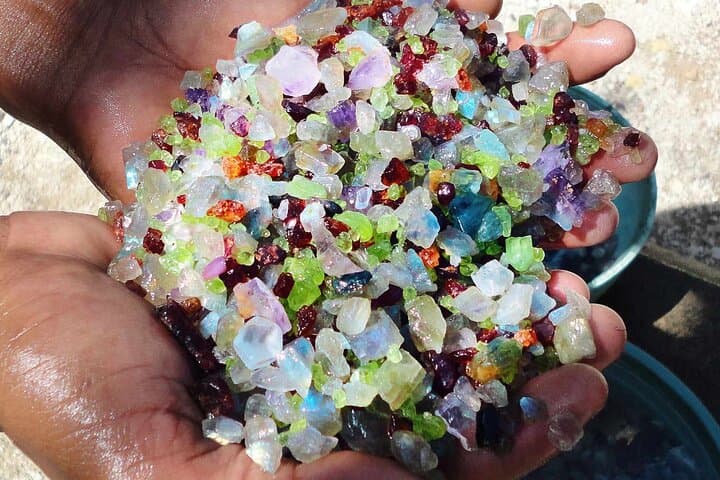
You step off the air‑conditioned minivan into heat washed by wet earth; a low river chatters nearby and the mining pits gawk like open mouths waiting for discovery. In Eheliyagoda the soil gives up color in tiny, stubborn flashes—blue, green, honey—that promise a story older than the road that brought you here.
Verified experiences and guided adventures in the surrounding area.
Operated by Classical Lanka Tours · Eheliyagoda, Sabaragamuwa Province
You step off the air‑conditioned minivan into heat washed by wet earth; a low river chatters nearby and the mining pits gawk like open mouths waiting for discovery. In Eheliyagoda the soil gives up color in tiny, stubborn flashes—blue, green, honey—that promise a story older than the road that brought you here.
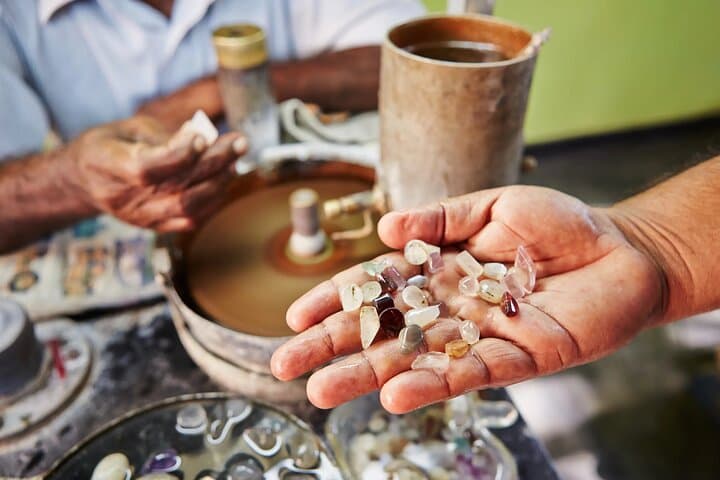
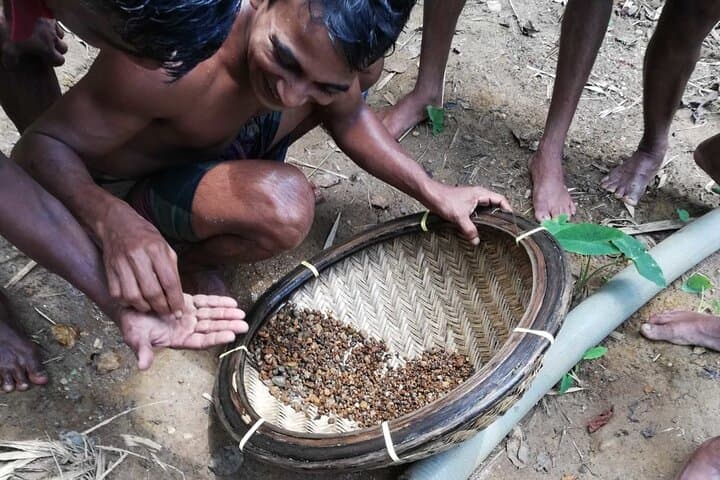
The region around Eheliyagoda and nearby Ratnapura has produced Sri Lanka’s famed Ceylon sapphires for centuries. Gem gravels are alluvial: weathered bedrock and ancient rivers ground minerals into pockets you can sift by hand. The tour usually pairs a visit to Seethawaka Wet Zone Botanic Garden—an active conservation and research site focused on wet‑lowland flora—with a practical demonstration at a traditional gem mining operation where local miners show sluicing, panning and basic sorting techniques.
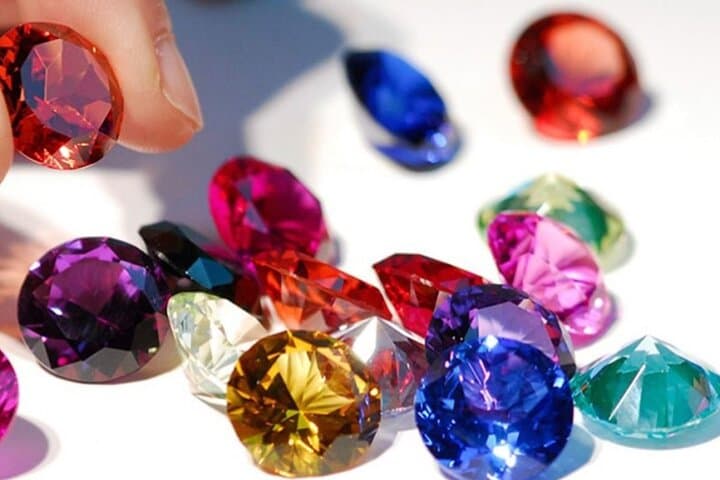
Expect short, uneven walks on muddy banks and gravel terraces; elevation change is minimal but footing can be slippery after rain. The hands‑on portion lets you try the classic gravel sifting and view finished stones; purchases are common and bargaining expected. Guides explain how to identify common varieties—sapphire, spinel, garnet—and proper weight and treatment considerations.
Plan for a 6–7 hour day: morning pickup from Colombo or Negombo, garden visit, then 3–4 hours at the mining site including lunch. Bring sturdy shoes you don’t mind getting dirty, sun protection, insect repellent and local currency for purchases. Move deliberately, ask questions about provenance and treatments, and respect active work zones—the land yields its treasures but the process is labor intensive.
moderate.
6–7 hours.
Moderate fitness: able to handle multiple short walks on uneven, muddy terrain and stand during demonstrations
The tour runs about 6–7 hours and typically includes hotel pickup/drop‑off, entrance fees, bottled water, lunch, an English‑speaking guide, Seethawaka Botanical Garden and the gem mining site visit.
Yes—miners and local vendors sell stones and finished jewelry; ask about origin and weight, request clarification on heat/treatment, and pay in local currency after negotiating a price.
Children can participate in supervised sifting, but expect uneven terrain and active work zones; infant seats are available in vehicles per operator notes.
Wear clothes you don’t mind getting dusty or muddy; bring a change of clothes if returning to the city the same day.
Ratnapura district—literally "city of gems"—has been Sri Lanka’s gem center for centuries, with alluvial mining practices passed down through generations.
Seethawaka Botanic Garden supports wet‑zone plant conservation; visitors should avoid disturbing arboretum plots and minimize plastic waste to protect local waterways.
Classical Lanka Tours operates guided outdoor trips and adventures with an emphasis on safety, stewardship, and memorable experiences.
You step off the air‑conditioned minivan into heat washed by wet earth; a low river chatters nearby and the mining pits gawk like open mouths waiting for discovery. In Eheliyagoda the soil gives up color in tiny, stubborn flashes—blue, green, honey—that promise a story older than the road that brought you here.
You step off the air‑conditioned minivan into heat washed by wet earth; a low river chatters nearby and the mining pits gawk like open mouths waiting for discovery. In Eheliyagoda the soil gives up color in tiny, stubborn flashes—blue, green, honey—that promise a story older than the road that brought you here.
The region around Eheliyagoda and nearby Ratnapura has produced Sri Lanka’s famed Ceylon sapphires for centuries. Gem gravels are alluvial: weathered bedrock and ancient rivers ground minerals into pockets you can sift by hand. The tour usually pairs a visit to Seethawaka Wet Zone Botanic Garden—an active conservation and research site focused on wet‑lowland flora—with a practical demonstration at a traditional gem mining operation where local miners show sluicing, panning and basic sorting techniques.
Expect short, uneven walks on muddy banks and gravel terraces; elevation change is minimal but footing can be slippery after rain. The hands‑on portion lets you try the classic gravel sifting and view finished stones; purchases are common and bargaining expected. Guides explain how to identify common varieties—sapphire, spinel, garnet—and proper weight and treatment considerations.
Plan for a 6–7 hour day: morning pickup from Colombo or Negombo, garden visit, then 3–4 hours at the mining site including lunch. Bring sturdy shoes you don’t mind getting dirty, sun protection, insect repellent and local currency for purchases. Move deliberately, ask questions about provenance and treatments, and respect active work zones—the land yields its treasures but the process is labor intensive.