THE ADVENTURE COLLECTIVE® · Independent discovery and booking for outdoor travel

Spend a full day exploring the low limestone islets of Hundred Islands National Park from Alaminos. This private boat tour visits Governor’s Island viewpoint, snorkeling coves, cave formations and a long lunch stop on Quezon Island.
Spend a full day exploring the low limestone islets of Hundred Islands National Park from Alaminos. This private boat tour visits Governor’s Island viewpoint, snorkeling coves, cave formations and a long lunch stop on Quezon Island.
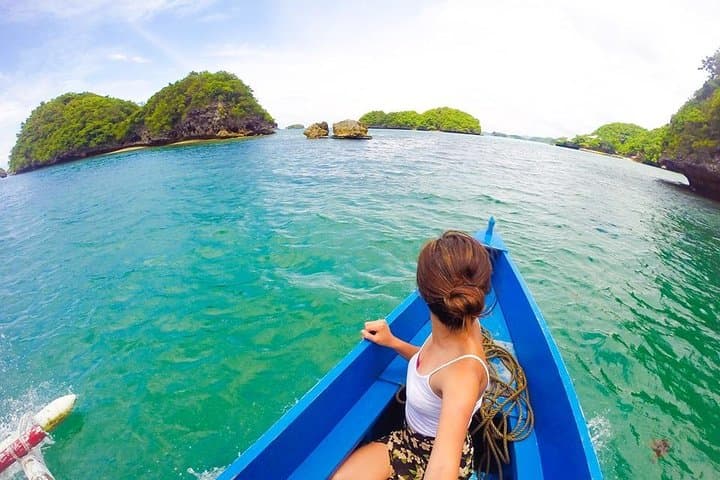
The morning light hits the bay like a promise—limestone islets puncture the flat blue, and the boat's bow parts a mirror of shallow water as the islands draw nearer.
Verified experiences and guided adventures in the surrounding area.
Operated by CTPH TOUR · Alaminos, Pangasinan
The morning light hits the bay like a promise—limestone islets puncture the flat blue, and the boat's bow parts a mirror of shallow water as the islands draw nearer.
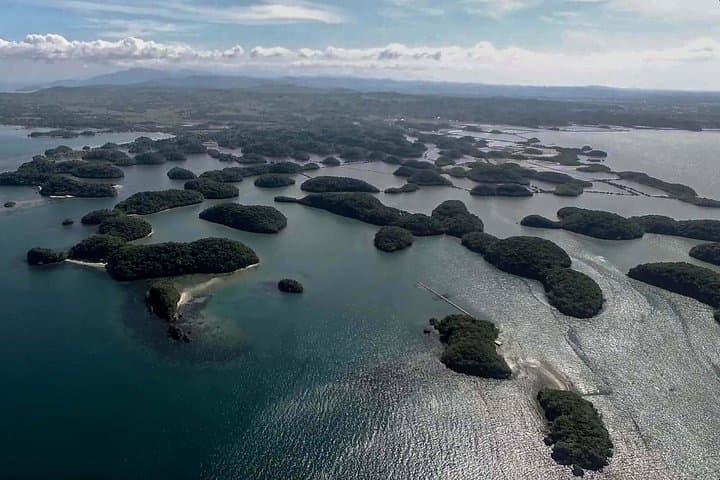
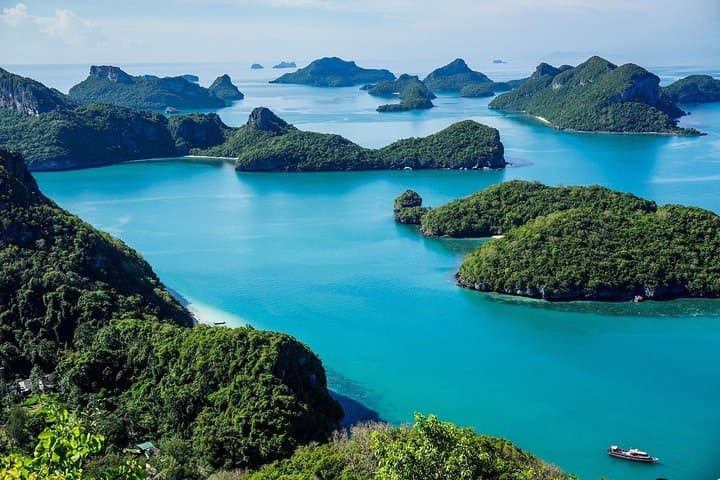
Hundred Islands National Park, accessed from Alaminos City, is a cluster of low karst formations carved from coral and limestone over millennia. The group—numbered at 123 at low tide—holds caves, cliffs and sheltered coves used by local fishers for generations. Spanish- and American-era maps note the islands as navigational marks; today the park balances tourism with fishing and small-scale local life.
Geologically, these are low-lying karst islets—pockmarked cliffs, pocket beaches and underwater coral outcrops. Culture here feels deliberate and simple: vendors on Quezon Island grill fresh fish, guides point out shell middens and families picnic under coconut palms.
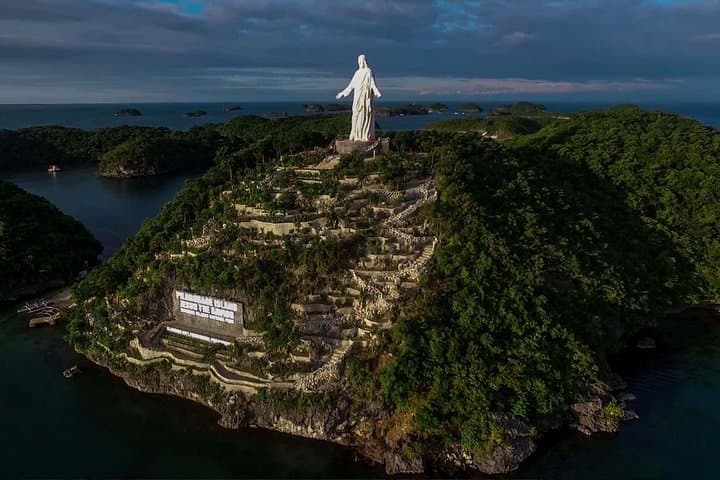
On a private day tour you can expect an 8–9 hour circuit: a stop at Governor’s Island for the viewpoint and shrine, Marcos and Imelda’s dramatic cliff and cave areas for snorkeling and (for the bold) cliff jumping, coral viewing from a banca, and a long lunch on Quezon Island with time for swimming.
Plan for sun, sudden wind and strong currents around narrow channels. Bring reef-safe sunscreen, a lightweight long-sleeve, water shoes, and a dry bag. Respect marked marine areas—don’t touch coral and use the provided life vests. Timing matters: early departures give calmer seas and clearer water for snorkeling; late afternoons bring warm light but choppier conditions. This trip is straightforward but rewards basic preparation: hydrate, protect skin, and keep a camera ready for an island at every turn.
easy.
8–9 hours.
Suitable for most fitness levels; requires getting on/off small boats and short walks on uneven rock and sand
The private tour runs about 8–9 hours (approximately 480–540 minutes) and typically leaves from Alaminos in the morning.
Boat and life vests are included; snorkeling gear is usually available but may be on a pay-per-use basis—confirm with the operator before departure.
Yes—tours are rated easy and life vests are provided; supervise children closely and stick to the designated swimming areas like Children’s Island.
Tours may be cancelled in poor weather; the booking indicates all sales final but operators typically reschedule or cancel if conditions are unsafe.
Locally important for fishing and navigation, the Hundred Islands have been part of coastal livelihoods for generations; tourism grew in the 20th century as access improved from Alaminos.
An entrance/environmental fee supports local management; visitors should avoid stepping on or touching coral, use reef-safe sunscreen and minimize single-use plastics.
CTPH TOUR operates guided outdoor trips and adventures with an emphasis on safety, stewardship, and memorable experiences.
The morning light hits the bay like a promise—limestone islets puncture the flat blue, and the boat's bow parts a mirror of shallow water as the islands draw nearer.
The morning light hits the bay like a promise—limestone islets puncture the flat blue, and the boat's bow parts a mirror of shallow water as the islands draw nearer.
Hundred Islands National Park, accessed from Alaminos City, is a cluster of low karst formations carved from coral and limestone over millennia. The group—numbered at 123 at low tide—holds caves, cliffs and sheltered coves used by local fishers for generations. Spanish- and American-era maps note the islands as navigational marks; today the park balances tourism with fishing and small-scale local life.
Geologically, these are low-lying karst islets—pockmarked cliffs, pocket beaches and underwater coral outcrops. Culture here feels deliberate and simple: vendors on Quezon Island grill fresh fish, guides point out shell middens and families picnic under coconut palms.
On a private day tour you can expect an 8–9 hour circuit: a stop at Governor’s Island for the viewpoint and shrine, Marcos and Imelda’s dramatic cliff and cave areas for snorkeling and (for the bold) cliff jumping, coral viewing from a banca, and a long lunch on Quezon Island with time for swimming.
Plan for sun, sudden wind and strong currents around narrow channels. Bring reef-safe sunscreen, a lightweight long-sleeve, water shoes, and a dry bag. Respect marked marine areas—don’t touch coral and use the provided life vests. Timing matters: early departures give calmer seas and clearer water for snorkeling; late afternoons bring warm light but choppier conditions. This trip is straightforward but rewards basic preparation: hydrate, protect skin, and keep a camera ready for an island at every turn.