THE ADVENTURE COLLECTIVE® · Independent discovery and booking for outdoor travel

Board a small-group launch from Tahiti’s west coast for 3–4 hours of guided humpback whale observation. Expect strict approach rules, optional guided swims when conditions and permits allow, and informed crew commentary about the whales’ behavior and migration.
Board a small-group launch from Tahiti’s west coast for 3–4 hours of guided humpback whale observation. Expect strict approach rules, optional guided swims when conditions and permits allow, and informed crew commentary about the whales’ behavior and migration.
Morning light breaks over the Pacific and the boat slips from the marina, the hull whispering against glassy water as the west coast of Tahiti falls away. Salt and diesel mix in the air, and the ocean ahead feels deliberate — alive and expectant. Guides scan the horizon; when a blow appears, it announces itself like a distant drum.
Verified experiences and guided adventures in the surrounding area.
Operated by Polyn'Easy Dive and Tours · Papeete, Tahiti
Morning light breaks over the Pacific and the boat slips from the marina, the hull whispering against glassy water as the west coast of Tahiti falls away. Salt and diesel mix in the air, and the ocean ahead feels deliberate — alive and expectant. Guides scan the horizon; when a blow appears, it announces itself like a distant drum.
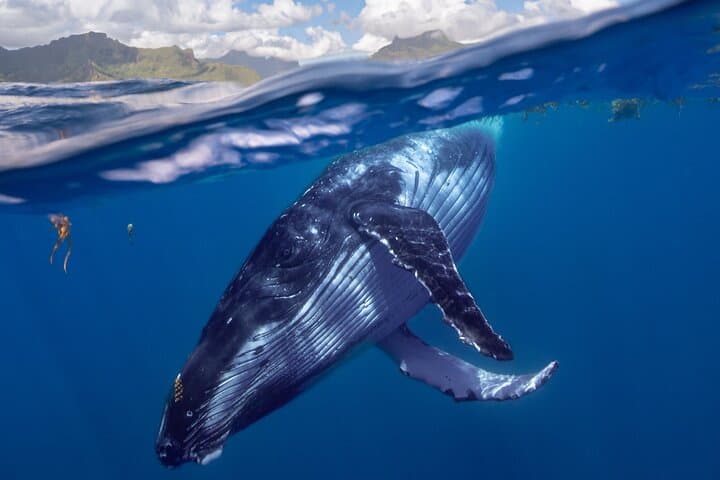
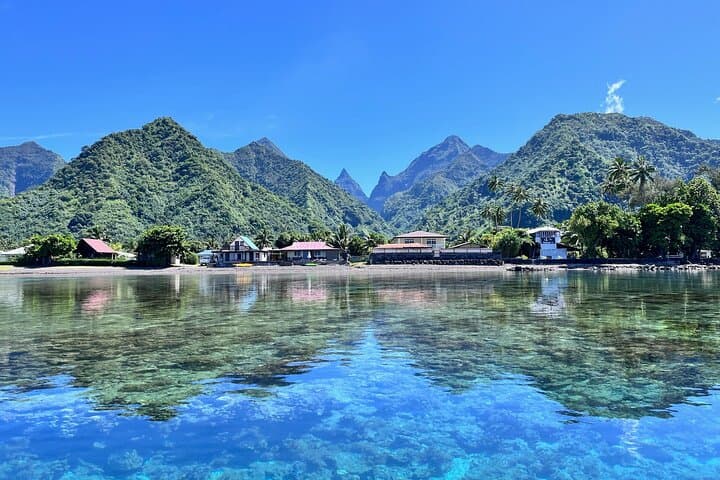
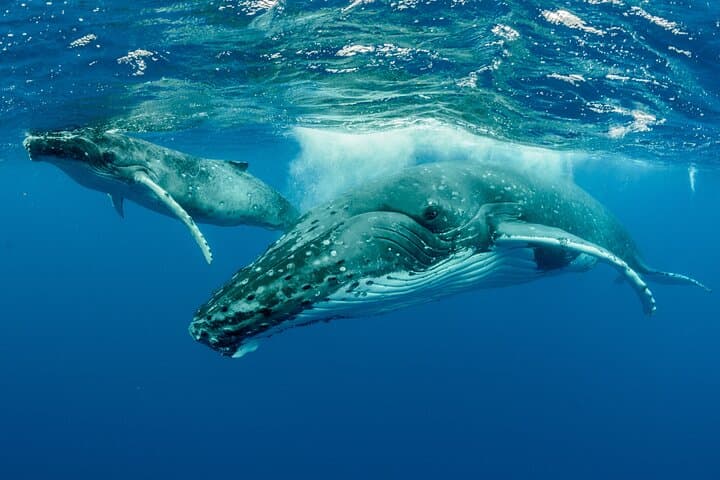
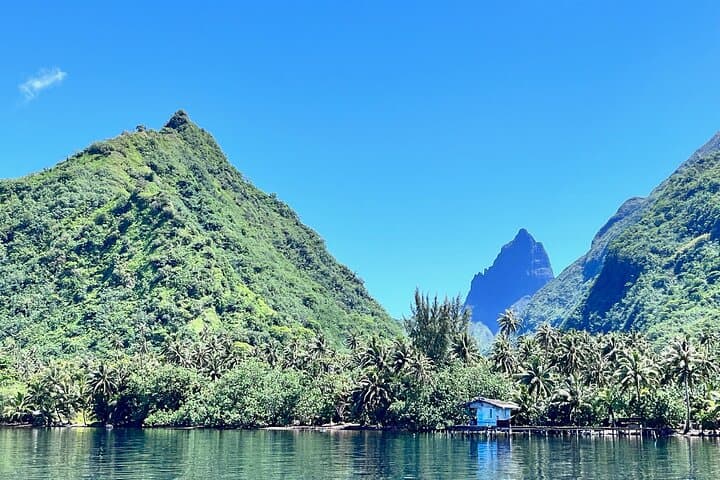
Humpback whales migrate from Antarctic feeding grounds to these warm Polynesian waters each year to mate, give birth, and teach calves. The black volcanic backbone of Tahiti frames the coast: steep ridges carved by erosion, reef flats that slow the sea, and bays where currents funnel passing cetaceans. For local communities, whales have long been part of maritime lore and practical navigation; modern regulations now balance cultural access with species protection.
On this small-group boat tour you can expect a 3–4 hour outing with experienced crew, basic safety and snorkeling gear, bottled water, and light snacks. Observation follows French Polynesian approach rules: limited swimmers, a guided swim option only when conditions and permits allow, and a strict distance policy enforced by the team. Notes on timing matter — the peak observation window runs roughly July through November, and sightings aren’t guaranteed.
Practical guidance: bring sun protection and a wind layer, arrive with sea-sickness prevention if you are sensitive, and be ready to follow crew instructions precisely during any water entry. If allowed to enter, swimmers must be confident in open ocean conditions and able to swim about 200 meters. The trip blends natural theater with clear stewardship — a chance to witness giants while minimizing impact.
moderate.
3–4 hours.
Moderate fitness; swimmers who enter the water should be comfortable in open ocean and able to swim ~200 m.
Peak season runs roughly July through November, when whales congregate to breed and nurse calves; sightings are most likely in August–October.
Swimming with whales is allowed only under strict conditions: a limited number of swimmers, professional guides, calm sea conditions, and applicable permits — and participants must meet the operator’s swimming and age requirements.
No — whale behavior is wild and unpredictable. Tours follow best practices to maximize sightings, but no operator can guarantee an encounter.
People with serious back or heart conditions, pregnant travelers, or those unable to swim 200 meters should avoid water entry and may be restricted from participating in swims.
Humpbacks have used Polynesian lagoons and coastal waters for centuries for calving; modern regulations now limit approaches and swimmer numbers to protect breeding behavior.
French Polynesia enforces seasonal approach rules and permits; operators limit swimmers and follow distance regulations to reduce stress on whales and protect marine habitat.
Polyn'Easy Dive and Tours operates guided outdoor trips and adventures with an emphasis on safety, stewardship, and memorable experiences.
Morning light breaks over the Pacific and the boat slips from the marina, the hull whispering against glassy water as the west coast of Tahiti falls away. Salt and diesel mix in the air, and the ocean ahead feels deliberate — alive and expectant. Guides scan the horizon; when a blow appears, it announces itself like a distant drum.
Morning light breaks over the Pacific and the boat slips from the marina, the hull whispering against glassy water as the west coast of Tahiti falls away. Salt and diesel mix in the air, and the ocean ahead feels deliberate — alive and expectant. Guides scan the horizon; when a blow appears, it announces itself like a distant drum.
Humpback whales migrate from Antarctic feeding grounds to these warm Polynesian waters each year to mate, give birth, and teach calves. The black volcanic backbone of Tahiti frames the coast: steep ridges carved by erosion, reef flats that slow the sea, and bays where currents funnel passing cetaceans. For local communities, whales have long been part of maritime lore and practical navigation; modern regulations now balance cultural access with species protection.
On this small-group boat tour you can expect a 3–4 hour outing with experienced crew, basic safety and snorkeling gear, bottled water, and light snacks. Observation follows French Polynesian approach rules: limited swimmers, a guided swim option only when conditions and permits allow, and a strict distance policy enforced by the team. Notes on timing matter — the peak observation window runs roughly July through November, and sightings aren’t guaranteed.
Practical guidance: bring sun protection and a wind layer, arrive with sea-sickness prevention if you are sensitive, and be ready to follow crew instructions precisely during any water entry. If allowed to enter, swimmers must be confident in open ocean conditions and able to swim about 200 meters. The trip blends natural theater with clear stewardship — a chance to witness giants while minimizing impact.