THE ADVENTURE COLLECTIVE® · Independent discovery and booking for outdoor travel

Spend a morning watching Andean hummingbirds at a dedicated observatory outside Bogotá. This easy guided tour pairs close viewing, photography opportunities, and a short drive from the city.
Spend a morning watching Andean hummingbirds at a dedicated observatory outside Bogotá. This easy guided tour pairs close viewing, photography opportunities, and a short drive from the city.
You step out of the van into a cool Andean air and the light shifts through a stand of native shrubs; tiny wings hum like a throttle as hummingbirds dart and hover, inspecting feeders with curious, impatient energy. The Hummingbird Observatory outside Bogotá concentrates the kinetic life of high-altitude Andean species into a narrow, intimate stage—brilliant gorgets, flash-green backs, and fine, needle bills probing tubular flowers.
Verified experiences and guided adventures in the surrounding area.
Operated by Parche Cachaco Tours · Bogotá, Bogotá D.C.
You step out of the van into a cool Andean air and the light shifts through a stand of native shrubs; tiny wings hum like a throttle as hummingbirds dart and hover, inspecting feeders with curious, impatient energy. The Hummingbird Observatory outside Bogotá concentrates the kinetic life of high-altitude Andean species into a narrow, intimate stage—brilliant gorgets, flash-green backs, and fine, needle bills probing tubular flowers.
The surrounding high plain was shaped by tectonic uplift and glacial sculpting; soils and microclimates create pockets where Andean flora thrive and attract specialized nectar feeders. Bogotá’s cultural history—indigenous Muisca traditions around highland lakes, later Spanish colonial settlement—touches the landscape in place names and garden practices, while modern conservation awareness has led to small reserves and observatories that bridge city life and wild habitat.
Expect guided viewing with multiple feeding stations and photography opportunities; guides point out identification markers and ecological notes. The experience balances slow observation with sudden, frenetic action as species contest perches and territory. Protecting quiet observation is part of the visit—movement and soft voices improve sightings.
Practical guidance: bring a telephoto lens or compact spotting scope, wear layers for chilly mornings, and carry water and sun protection. The tour runs about 6–7 hours including hotel transfer; it’s an easy activity physically but rewarding for patient observers and photographers. Early light brings the most active feeding and clean side-light for images—aim for morning departures and keep your camera ready.
easy.
6–7 hours.
Suitable for all fitness levels; requires short, flat walking and standing periods
The tour runs about 6–7 hours total including hotel pickup and drop-off; driving time depends on traffic and route.
Photography is welcome, but avoid flash near feeders—natural light and steady lenses yield better results.
Yes; the activity is low-impact, though guests with spinal or severe heart issues should consult the operator first.
No—guides provide species identification and behavior notes, making it accessible for beginners and satisfying for experienced birders.
The high plateau around Bogotá was long inhabited by the Muisca people; modern green spaces and observatories reflect a growing urban conservation ethic.
Small observatories use feeders and native planting to support local pollinators while educating visitors—respect buffer zones and guide instructions to minimize disturbance.
Parche Cachaco Tours operates guided outdoor trips and adventures with an emphasis on safety, stewardship, and memorable experiences.
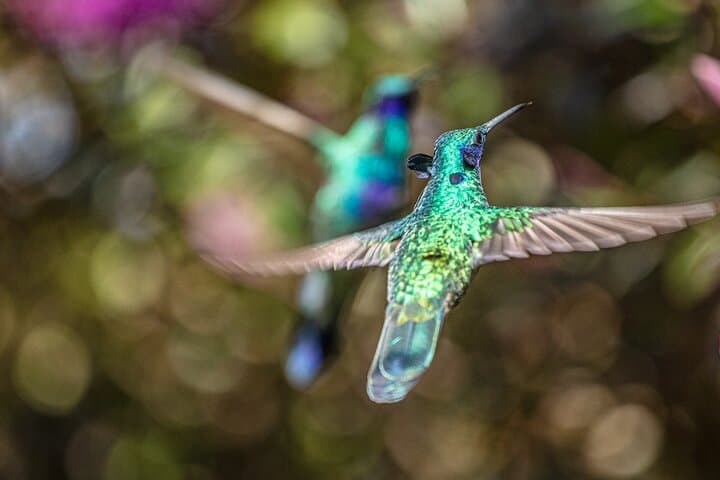
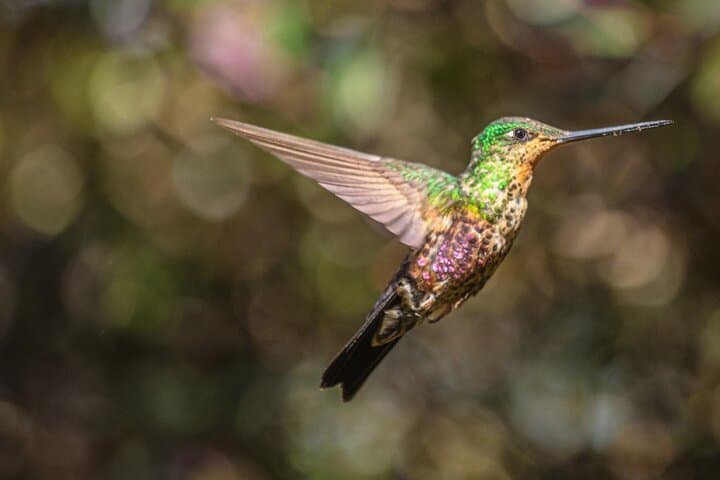
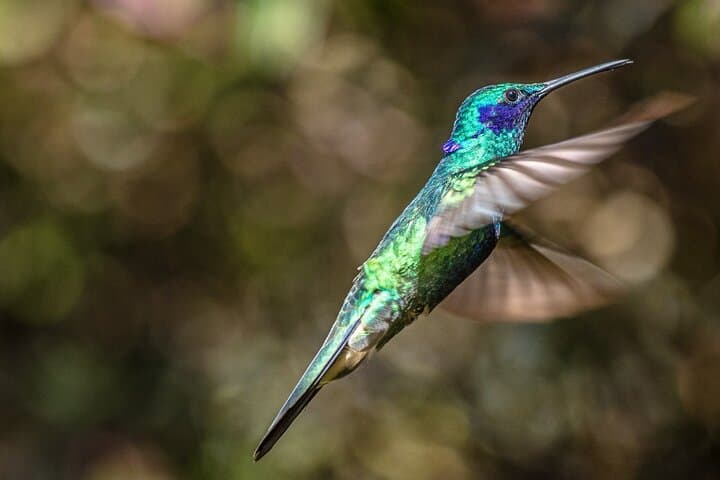
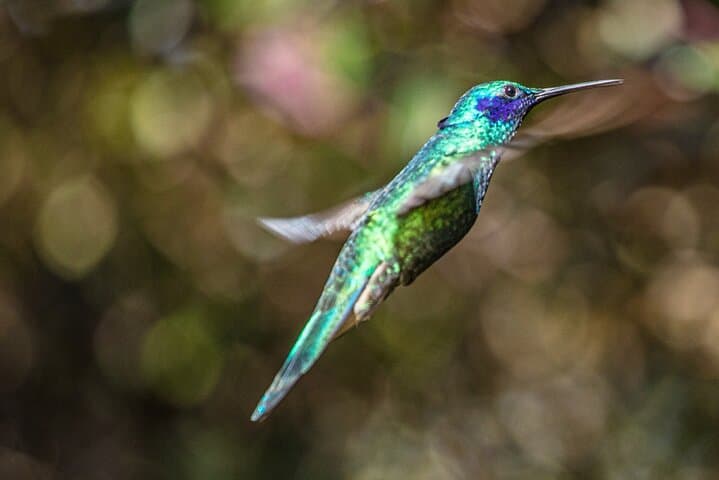
You step out of the van into a cool Andean air and the light shifts through a stand of native shrubs; tiny wings hum like a throttle as hummingbirds dart and hover, inspecting feeders with curious, impatient energy. The Hummingbird Observatory outside Bogotá concentrates the kinetic life of high-altitude Andean species into a narrow, intimate stage—brilliant gorgets, flash-green backs, and fine, needle bills probing tubular flowers.
You step out of the van into a cool Andean air and the light shifts through a stand of native shrubs; tiny wings hum like a throttle as hummingbirds dart and hover, inspecting feeders with curious, impatient energy. The Hummingbird Observatory outside Bogotá concentrates the kinetic life of high-altitude Andean species into a narrow, intimate stage—brilliant gorgets, flash-green backs, and fine, needle bills probing tubular flowers.
The surrounding high plain was shaped by tectonic uplift and glacial sculpting; soils and microclimates create pockets where Andean flora thrive and attract specialized nectar feeders. Bogotá’s cultural history—indigenous Muisca traditions around highland lakes, later Spanish colonial settlement—touches the landscape in place names and garden practices, while modern conservation awareness has led to small reserves and observatories that bridge city life and wild habitat.
Expect guided viewing with multiple feeding stations and photography opportunities; guides point out identification markers and ecological notes. The experience balances slow observation with sudden, frenetic action as species contest perches and territory. Protecting quiet observation is part of the visit—movement and soft voices improve sightings.
Practical guidance: bring a telephoto lens or compact spotting scope, wear layers for chilly mornings, and carry water and sun protection. The tour runs about 6–7 hours including hotel transfer; it’s an easy activity physically but rewarding for patient observers and photographers. Early light brings the most active feeding and clean side-light for images—aim for morning departures and keep your camera ready.