THE ADVENTURE COLLECTIVE® · Independent discovery and booking for outdoor travel

A high-altitude day hike from Cusco that rewards effort with an intense turquoise lagoon set beneath glaciated peaks. This guide covers what to expect on the trail, practical tips for altitude, and how to prepare for changing mountain weather.
A high-altitude day hike from Cusco that rewards effort with an intense turquoise lagoon set beneath glaciated peaks. This guide covers what to expect on the trail, practical tips for altitude, and how to prepare for changing mountain weather.
You crest the last ridge and the lake appears: a slice of turquoise cupped by jagged, snow-smeared peaks. Cold wind pushes at your jacket and the air tastes thin — Humantay Lake announces itself with color and altitude. The day begins before dawn in Cusco, a slow ribbon of road through the Apurímac valley before the small mountain village of Soraypampa at ~3,900 m.
Verified experiences and guided adventures in the surrounding area.
Operated by Huaynas Expeditions · Cusco, Cusco
You crest the last ridge and the lake appears: a slice of turquoise cupped by jagged, snow-smeared peaks. Cold wind pushes at your jacket and the air tastes thin — Humantay Lake announces itself with color and altitude. The day begins before dawn in Cusco, a slow ribbon of road through the Apurímac valley before the small mountain village of Soraypampa at ~3,900 m.
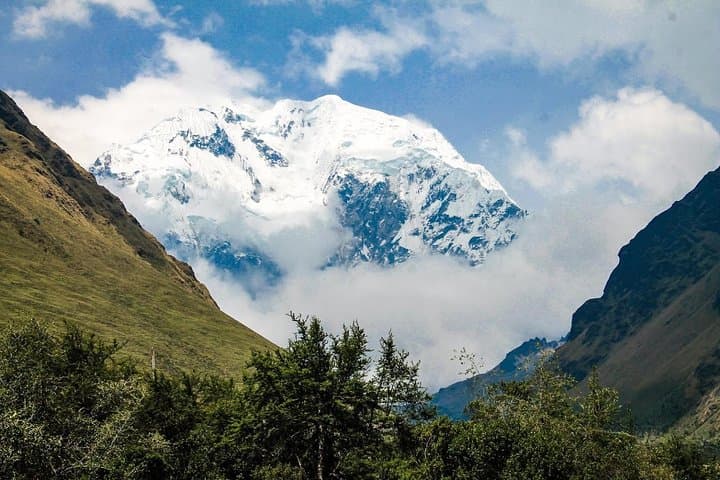
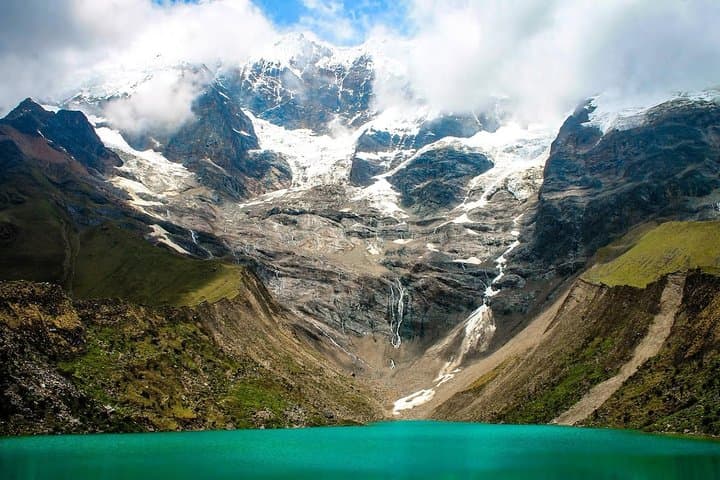
Geology here is blunt and recent: glacial sculpting of the Vilcabamba range left cirques and moraine basins that collect meltwater, producing the saturated blues of high-altitude lagoons. Humantay sits below the flanks of the snow-capped Humantay peak, fed by seasonal glacier runoff. Culturally, the corridor is Quechua country — shepherds, highland potato fields, and mountain spirits still shape local life and guide small-scale tourism along the Salkantay route.
The hike is short but steep: roughly 3–4 km round-trip with about 300–350 m of elevation gain from Soraypampa to the lagoon, 1–1.5 hours up for a moderately fit hiker. Trail surfaces vary from compacted earth to loose scree; expect exposed sections and brisk weather changes.
Practical guidance: acclimatize in Cusco for at least 24–48 hours, start early to avoid afternoon storms and crowds, wear warm layers and sturdy boots, and carry water and snacks. Guides typically include hotel pickup, basic meals, and emergency oxygen. Respect fragile high-Andean vegetation, keep to the trail, and pack out waste — the lake’s color depends on the landscape staying intact.
moderate.
10–14 hours (including transfers).
Moderate — able to hike uphill for 1–1.5 hours at high elevation; basic aerobic fitness required
The hike is about 1–1.5 hours each way, roughly 3–4 km round-trip with approximately 300–350 m (1,000–1,150 ft) elevation gain.
Yes — the lake sits near 4,200 m. Acclimatize in Cusco for 24–48 hours, hydrate, and inform your guide of any symptoms; oxygen is typically available on guided trips.
Most day tours include hotel pickup, transportation to Soraypampa, a guide, breakfast and lunch, and basic emergency equipment like a first-aid kit and oxygen.
Short but steep; children and older travelers who are fit and acclimatized can often participate, but those with heart, spine, or pregnancy concerns should avoid it.
The Salkantay corridor was a pre-Columbian route used by Quechua communities; the area around Humantay has long spiritual significance tied to mountain deities.
The high-Andean wetlands and glacial-fed lagoons are fragile; stick to trails, avoid leaving waste, and support operators who limit group sizes and follow leave-no-trace practices.
Huaynas Expeditions operates guided outdoor trips and adventures with an emphasis on safety, stewardship, and memorable experiences.
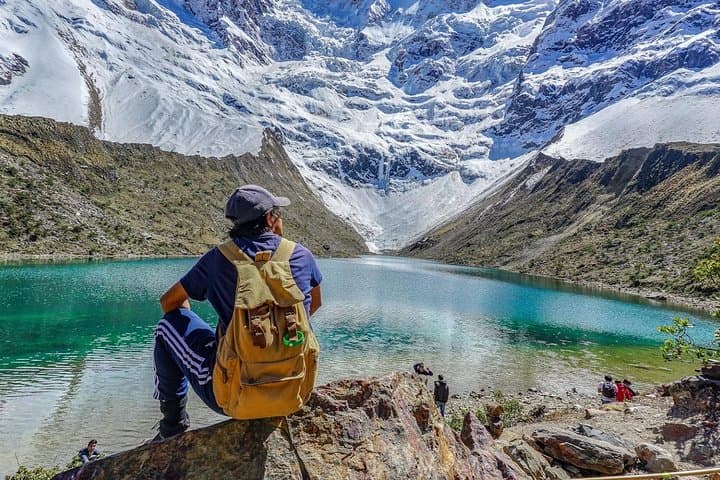
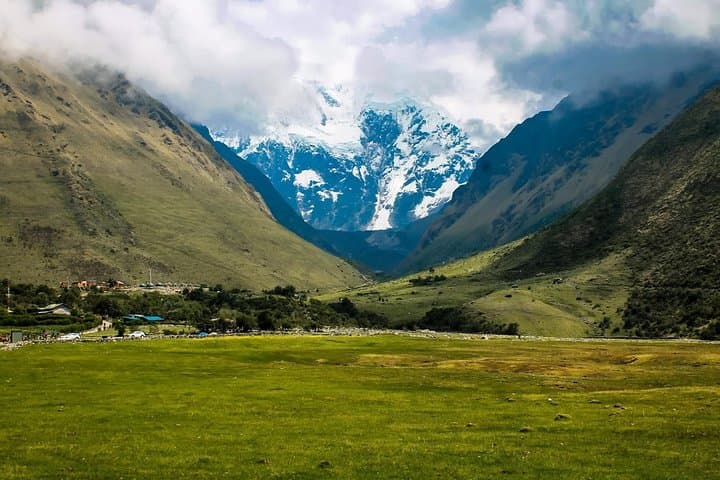
You crest the last ridge and the lake appears: a slice of turquoise cupped by jagged, snow-smeared peaks. Cold wind pushes at your jacket and the air tastes thin — Humantay Lake announces itself with color and altitude. The day begins before dawn in Cusco, a slow ribbon of road through the Apurímac valley before the small mountain village of Soraypampa at ~3,900 m.
You crest the last ridge and the lake appears: a slice of turquoise cupped by jagged, snow-smeared peaks. Cold wind pushes at your jacket and the air tastes thin — Humantay Lake announces itself with color and altitude. The day begins before dawn in Cusco, a slow ribbon of road through the Apurímac valley before the small mountain village of Soraypampa at ~3,900 m.
Geology here is blunt and recent: glacial sculpting of the Vilcabamba range left cirques and moraine basins that collect meltwater, producing the saturated blues of high-altitude lagoons. Humantay sits below the flanks of the snow-capped Humantay peak, fed by seasonal glacier runoff. Culturally, the corridor is Quechua country — shepherds, highland potato fields, and mountain spirits still shape local life and guide small-scale tourism along the Salkantay route.
The hike is short but steep: roughly 3–4 km round-trip with about 300–350 m of elevation gain from Soraypampa to the lagoon, 1–1.5 hours up for a moderately fit hiker. Trail surfaces vary from compacted earth to loose scree; expect exposed sections and brisk weather changes.
Practical guidance: acclimatize in Cusco for at least 24–48 hours, start early to avoid afternoon storms and crowds, wear warm layers and sturdy boots, and carry water and snacks. Guides typically include hotel pickup, basic meals, and emergency oxygen. Respect fragile high-Andean vegetation, keep to the trail, and pack out waste — the lake’s color depends on the landscape staying intact.