THE ADVENTURE COLLECTIVE® · Independent discovery and booking for outdoor travel

An early-morning drive from Cusco puts you at Soraypampa, then a steady uphill walk brings you to the vivid Humantay Lagoon at 4,200 m. This private full-day tour pairs manageable hiking with dramatic Andean scenery and local cuisine.
An early-morning drive from Cusco puts you at Soraypampa, then a steady uphill walk brings you to the vivid Humantay Lagoon at 4,200 m. This private full-day tour pairs manageable hiking with dramatic Andean scenery and local cuisine.
You step out of the van before dawn and the Andes greet you with a thin, cold light. The road from Cusco slides past high puna and small farming villages; at Soraypampa the air is already sharp and the trailhead waits—an uphill ribbon of rocky switchbacks that pushes you toward a bright alpine bowl.
Verified experiences and guided adventures in the surrounding area.
Operated by Peru Sites · Cusco, Cusco
You step out of the van before dawn and the Andes greet you with a thin, cold light. The road from Cusco slides past high puna and small farming villages; at Soraypampa the air is already sharp and the trailhead waits—an uphill ribbon of rocky switchbacks that pushes you toward a bright alpine bowl.
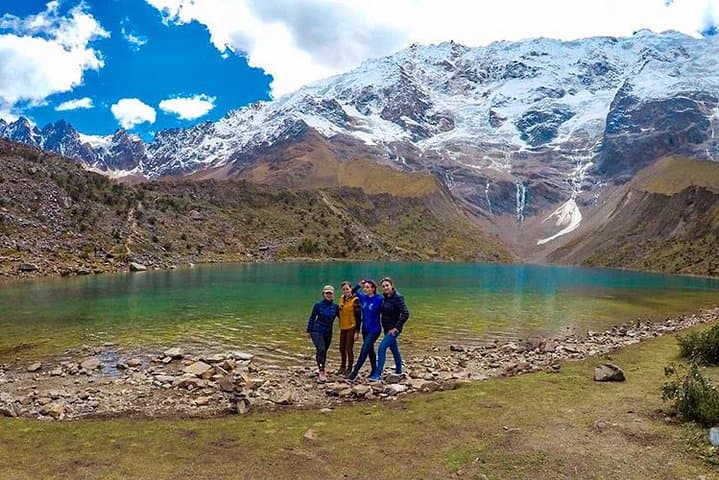
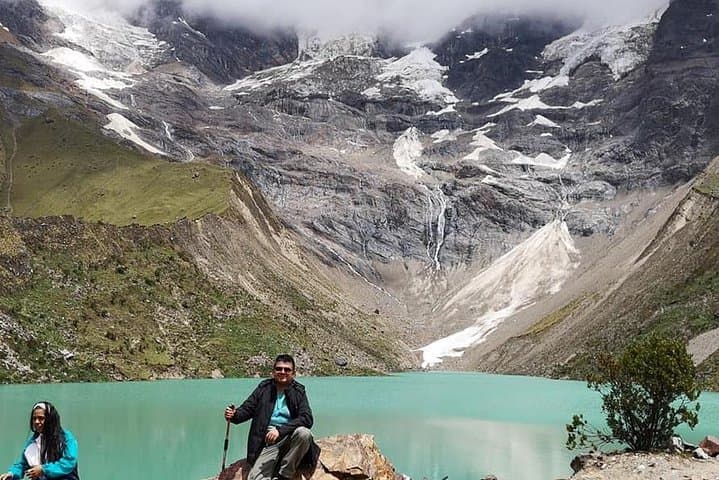
Humantay Lake sits at roughly 4,200 meters, a glacial-fed lagoon carved by repeated freeze-thaw and the slow hand of the Salkantay massif. The surrounding peaks—Humantay and the greater Salkantay—were meaningful in Andean cosmology, and the valley still carries traces of Quechua farming and seasonal pilgrimage.
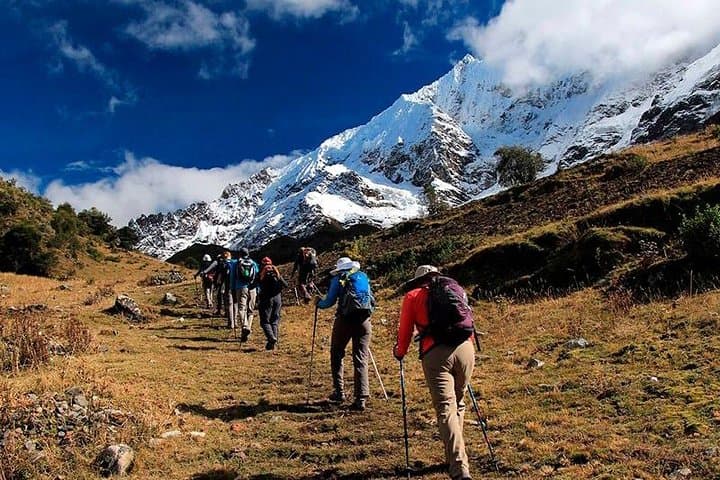
Expect a steep 2–3 km ascent with about 300–500 m of elevation gain depending on where you start; the hike typically takes 1.5–2 hours up at a steady, breath-conscious pace. The trail ranges from packed earth to loose scree; crampons aren’t needed in dry months but traction matters in wet or icy conditions.
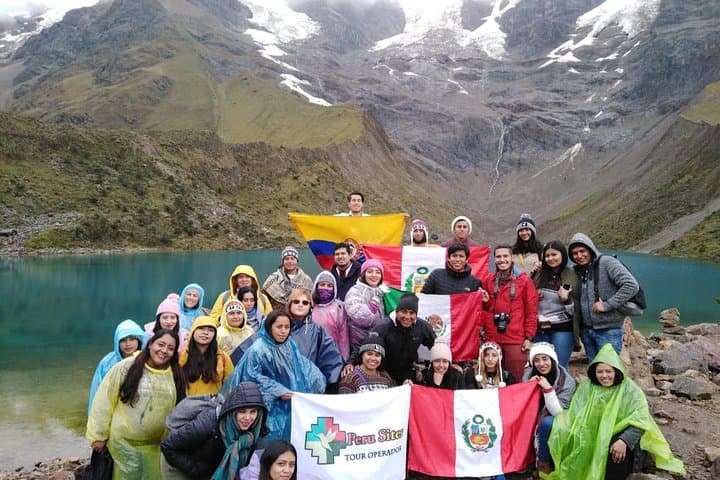
Practical guidance: acclimatize in Cusco for 24–48 hours if you can, carry water and layers, and allow slower steps on the way up. The tour usually departs early (around 4:30 AM) with breakfast en route and returns to Cusco in the evening after a local lunch in Mollepata. Guides handle permits and entry; your main tasks are pacing, hydration, sun protection, and respecting fragile alpine plants. The lagoon rewards effort with clear water framed by the white of permanent snow and a wind that seems to dare you to linger.
moderate.
12–14 hours (door-to-door).
Moderate fitness with ability to hike uphill for 1.5–2 hours at high altitude; regular walkers will be fine.
The trail is steep but short—about 2–3 km with 300–500 m gain. At altitude it feels tougher; pace yourself and take breaks.
Yes—spend at least 24 hours in Cusco and avoid heavy exertion beforehand to lower altitude sickness risk.
Guides typically handle entrance fees and logistics; local regulations require payment for access and many visitors use guided tours.
The dry season (May–September) offers the clearest conditions; the wet season brings afternoon rain and muddier trails.
The Salkantay massif is part of traditional Andean sacred geography; nearby passes were used historically for trade and seasonal movement by Quechua communities.
Glacial retreat is visible in the region—stay on trails, pack out trash, and avoid disturbing fragile alpine vegetation.
Peru Sites operates guided outdoor trips and adventures with an emphasis on safety, stewardship, and memorable experiences.
You step out of the van before dawn and the Andes greet you with a thin, cold light. The road from Cusco slides past high puna and small farming villages; at Soraypampa the air is already sharp and the trailhead waits—an uphill ribbon of rocky switchbacks that pushes you toward a bright alpine bowl.
You step out of the van before dawn and the Andes greet you with a thin, cold light. The road from Cusco slides past high puna and small farming villages; at Soraypampa the air is already sharp and the trailhead waits—an uphill ribbon of rocky switchbacks that pushes you toward a bright alpine bowl.
Humantay Lake sits at roughly 4,200 meters, a glacial-fed lagoon carved by repeated freeze-thaw and the slow hand of the Salkantay massif. The surrounding peaks—Humantay and the greater Salkantay—were meaningful in Andean cosmology, and the valley still carries traces of Quechua farming and seasonal pilgrimage.
Expect a steep 2–3 km ascent with about 300–500 m of elevation gain depending on where you start; the hike typically takes 1.5–2 hours up at a steady, breath-conscious pace. The trail ranges from packed earth to loose scree; crampons aren’t needed in dry months but traction matters in wet or icy conditions.
Practical guidance: acclimatize in Cusco for 24–48 hours if you can, carry water and layers, and allow slower steps on the way up. The tour usually departs early (around 4:30 AM) with breakfast en route and returns to Cusco in the evening after a local lunch in Mollepata. Guides handle permits and entry; your main tasks are pacing, hydration, sun protection, and respecting fragile alpine plants. The lagoon rewards effort with clear water framed by the white of permanent snow and a wind that seems to dare you to linger.