THE ADVENTURE COLLECTIVE® · Independent discovery and booking for outdoor travel

A high-altitude day hike from Soraypampa to the milky-blue Humantay Lake, this full-day adventure pairs a scenic drive and buffet breakfast with a steep, rewarding climb to a glacier-fed lagoon. Ideal for acclimatized hikers who can handle thin air and loose terrain.
A high-altitude day hike from Soraypampa to the milky-blue Humantay Lake, this full-day adventure pairs a scenic drive and buffet breakfast with a steep, rewarding climb to a glacier-fed lagoon. Ideal for acclimatized hikers who can handle thin air and loose terrain.
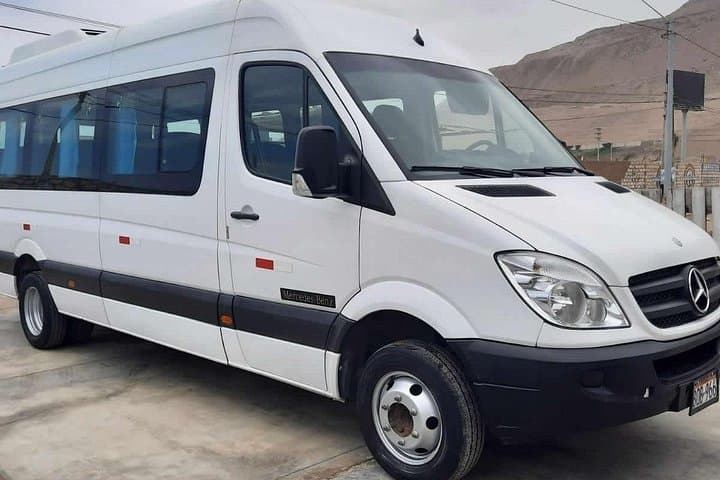
You step out of the van into a thin, crystalline air at Soraypampa and the massif of Salkantay looms like an old guardian above a scatter of stones and scrub.
Verified experiences and guided adventures in the surrounding area.
Operated by Chullos Travel Peru · Cusco, Cusco Region
You step out of the van into a thin, crystalline air at Soraypampa and the massif of Salkantay looms like an old guardian above a scatter of stones and scrub.
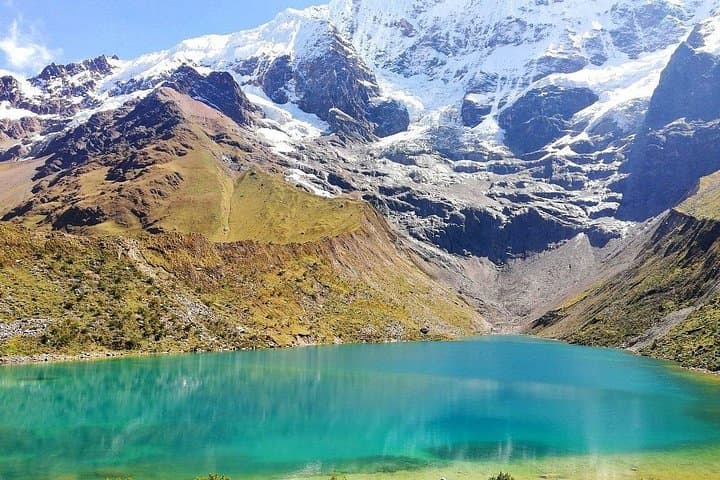
The trail climbs from the high puna through stunted ichu grass and glacial scree toward a turquoise bowl—Laguna Humantay—whose milky blue color comes from suspended glacial flour. This single-day trek begins with a two-hour drive from Cusco (with a breakfast stop in Mollepata), then a steep 1–2 hour ascent to the lake and a return to the trailhead, making for a full 8–9 hour outing with vehicle pickup and drop-off in the historic center.
Geologically the route follows valleys carved by the Salkantay glacier system; culturally the area sits in Quechua country where mountain peaks (apus) are still honored. Guides often explain local rituals and the significance of the mountain while pointing out moraines and high-altitude plant life.
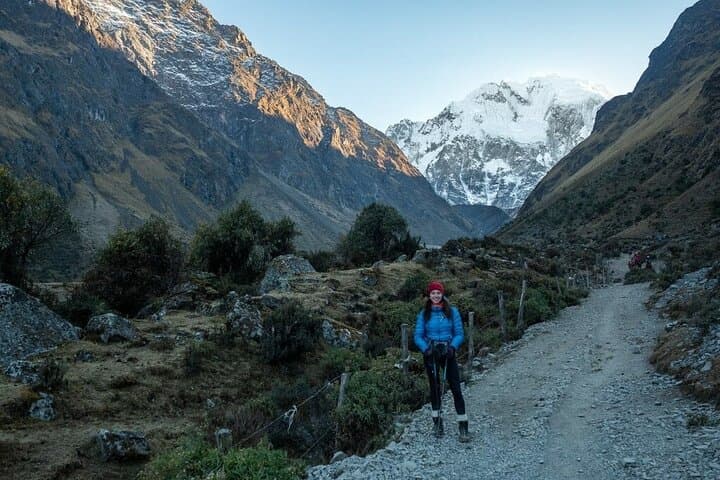
Practical guidance: plan for altitude—acclimatize in Cusco for at least 24–48 hours, carry water and snacks, and wear a warm windproof layer. The path is well-trodden but steep and loose in sections; hiking poles help. Tours typically include guide, breakfast, one-way transport, and sometimes oxygen for emergencies. Start early for softer light and fewer crowds, and always stay on the trail to protect fragile alpine vegetation.
challenging.
8–9 hours.
Should be in good cardio condition and comfortable with steep uphill hiking at high altitude
Expect a steep 1–2 hour ascent each way depending on pace and acclimatization; the full tour including transport runs about 8–9 hours.
Physically fit beginners who have acclimatized can do the hike, but those with respiratory or heart conditions should avoid it or consult a doctor.
Basic facilities are available at the Soraypampa trailhead and at some pickup points; there are no services at the lake—pack out what you bring in.
The trailhead sits around 3,800–3,900 m and the lake is approximately 4,200 m; altitude affects many hikers so take it slow and watch for symptoms.
The Salkantay massif and surrounding valleys were part of traditional Quechua lands; local communities still perform offerings to the mountain apu for safe passage and good harvests.
High‑altitude alpine vegetation is fragile—stay on established trails, carry out waste, and avoid dropping food that attracts wildlife.
Chullos Travel Peru operates guided outdoor trips and adventures with an emphasis on safety, stewardship, and memorable experiences.
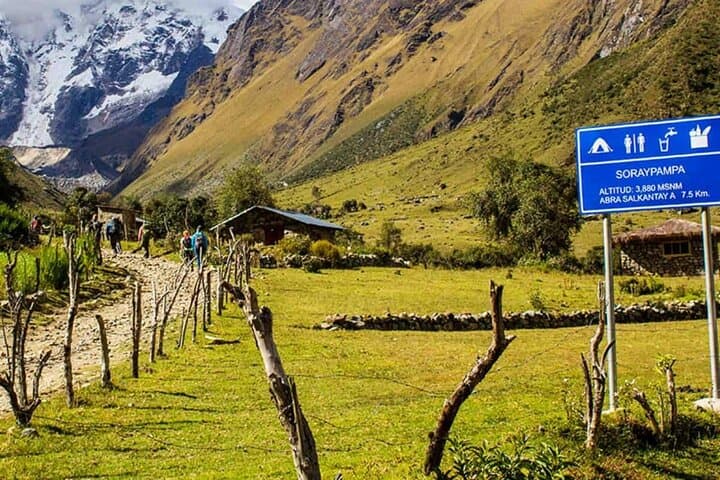
You step out of the van into a thin, crystalline air at Soraypampa and the massif of Salkantay looms like an old guardian above a scatter of stones and scrub.
You step out of the van into a thin, crystalline air at Soraypampa and the massif of Salkantay looms like an old guardian above a scatter of stones and scrub.
The trail climbs from the high puna through stunted ichu grass and glacial scree toward a turquoise bowl—Laguna Humantay—whose milky blue color comes from suspended glacial flour. This single-day trek begins with a two-hour drive from Cusco (with a breakfast stop in Mollepata), then a steep 1–2 hour ascent to the lake and a return to the trailhead, making for a full 8–9 hour outing with vehicle pickup and drop-off in the historic center.
Geologically the route follows valleys carved by the Salkantay glacier system; culturally the area sits in Quechua country where mountain peaks (apus) are still honored. Guides often explain local rituals and the significance of the mountain while pointing out moraines and high-altitude plant life.
Practical guidance: plan for altitude—acclimatize in Cusco for at least 24–48 hours, carry water and snacks, and wear a warm windproof layer. The path is well-trodden but steep and loose in sections; hiking poles help. Tours typically include guide, breakfast, one-way transport, and sometimes oxygen for emergencies. Start early for softer light and fewer crowds, and always stay on the trail to protect fragile alpine vegetation.